The digital asset space in 2026 is moving beyond isolated blockchain ecosystems. A major factor behind this shift is interoperability, which allows different blockchain networks to communicate and share data. This development is particularly important for RWA token development, where real-world assets such as real estate, commodities, and financial instruments are represented as digital tokens on blockchain networks.
RWA Tokenization is no longer limited to a single chain environment. As adoption grows, businesses and investors expect flexibility, wider market access, and better liquidity. This is where interoperability plays a decisive role. It connects fragmented systems and allows Real World Asset Tokenization to operate across multiple blockchain environments without restrictions tied to a single network.
This blog examines how interoperability affects rwa tokenization platform development, the benefits it brings, the challenges involved, and how businesses can adapt to this evolving structure in 2026.
Understanding Blockchain Interoperability
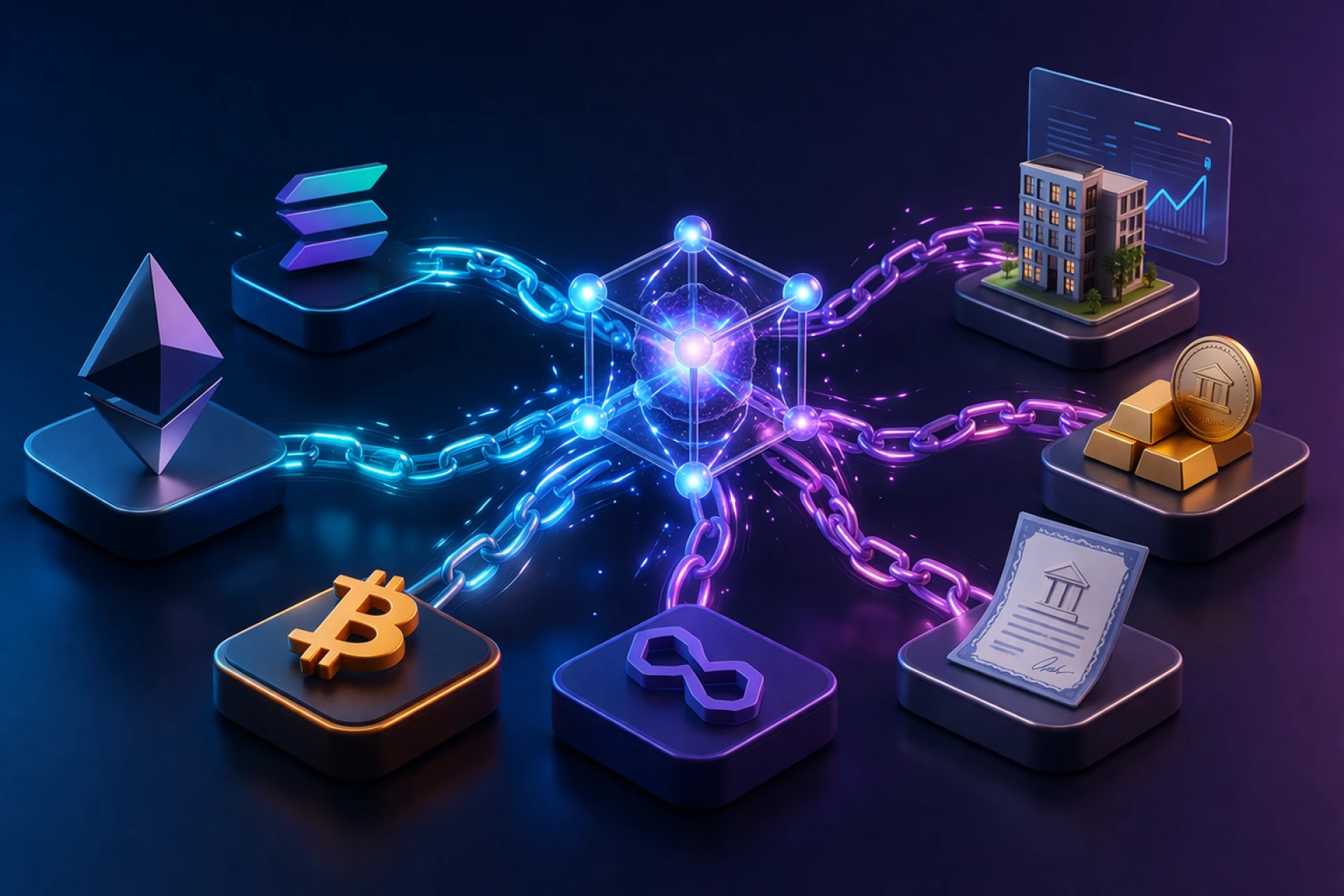
Blockchain interoperability refers to the ability of different blockchain networks to interact, exchange data, and transfer assets between each other. Instead of functioning as isolated systems, blockchains become part of a larger connected ecosystem.
In earlier stages, most tokenized assets were limited to a single chain such as Ethereum. This created limitations in terms of transaction costs, speed, and accessibility. With interoperability solutions, tokenized assets can move between chains like Ethereum, Polygon, Solana, and others without losing their identity or value.
For RWA token development, this means that a token representing a physical asset can exist and be traded across multiple blockchain networks, increasing its usability and reach.
Why Interoperability Matters for RWA Tokenization
Real World Asset Tokenization involves converting physical or traditional financial assets into digital tokens. These assets often require broad investor participation and regulatory flexibility. Interoperability supports both.
When assets are confined to one blockchain, they face limitations such as restricted liquidity and dependency on that network’s performance. Interoperability removes these barriers and introduces a more connected structure.
For example, a property token issued on one blockchain can be traded on another network where transaction fees are lower or where a different group of investors is active. This creates a wider marketplace and improves asset exposure.
RWA Tokenization Services are increasingly focusing on multi-chain strategies because clients now demand cross-network compatibility from the beginning.
Role of Interoperability in rwa token development
Interoperability directly impacts how tokens are created, managed, and distributed. In 2026, rwa token development is no longer a single-chain activity. Developers consider cross-chain functionality during the planning phase itself.
A RWA tokenization development company now integrates interoperability protocols such as bridges, cross-chain messaging systems, and multi-chain smart contracts. These tools allow tokens to function across different networks without duplication or inconsistencies.
This shift has changed how RWA Tokenizaion development projects are executed. Instead of building for one blockchain, developers design tokens that can interact with multiple ecosystems. This expands the use cases and reduces dependency risks.
Enhancing Liquidity Through Interoperability
Liquidity has always been a major challenge in RWA Tokenization. Traditional assets like real estate are not easily tradable. Tokenization improves this, but interoperability takes it further.
When tokens can move across blockchains, they can be listed on multiple exchanges and platforms. This increases trading activity and reduces the chances of assets remaining idle.
For example, a tokenized commercial property can be available on different decentralized exchanges operating on separate blockchains. Investors from various ecosystems can participate without needing to switch networks manually.
RWA tokenization development services now focus heavily on liquidity strategies that involve multi-chain listings and cross-platform integrations.
Expanding Investor Access
Interoperability plays a major role in expanding investor participation. Different blockchain networks have different user bases. By connecting these networks, tokenized assets reach a broader audience.
A RWA Tokenization Company can offer assets to investors who prefer different blockchain environments. Some investors may prefer Ethereum for security, while others may choose faster networks for lower transaction costs.
This flexibility increases participation in Real World Asset Tokenization projects. It also helps asset owners reach global investors without being limited by a single blockchain’s ecosystem.
Improving Asset Portability
Asset portability refers to the ability to move assets across platforms without friction. In the context of rwa tokenization platform development, interoperability makes this possible.
Without interoperability, transferring tokens from one blockchain to another requires complex processes or centralized intermediaries. With cross-chain solutions, tokens can move more freely while maintaining their value and ownership records.
This is especially useful for institutional investors who manage portfolios across different blockchain networks. Interoperability allows them to shift assets based on market conditions, fees, or regulatory preferences.
Supporting Multi-Chain Infrastructure
In 2026, many projects adopt a multi-chain approach. Instead of relying on one blockchain, they operate across several networks simultaneously.
RWA tokenization development services include the creation of infrastructure that supports multiple chains. This includes:
- Cross-chain smart contracts
- Token bridges
- Interoperable wallets
- Unified asset tracking systems
Such infrastructure allows businesses to maintain consistency while operating across different networks.
A RWA tokenization development company that offers multi-chain solutions is better positioned to meet current market expectations.
Interoperability and Regulatory Considerations
Real World Asset Tokenization often involves regulatory requirements because it deals with tangible assets and financial instruments. Interoperability introduces additional considerations.
Different blockchains may operate under different compliance frameworks. When assets move across chains, maintaining regulatory compliance becomes more complex.
To address this, RWA Tokenization Services incorporate compliance layers within smart contracts. These layers ensure that only eligible participants can access certain assets, regardless of the blockchain used.
In 2026, regulators are also paying closer attention to cross-chain transactions. Businesses involved in rwa token development must stay updated with jurisdiction-specific rules.
Impact on Security
While interoperability offers many benefits, it also introduces security concerns. Cross-chain bridges have been targets for attacks in the past. As a result, security is a major focus in rwa tokenization platform development.
Developers use advanced verification mechanisms, multi-signature approvals, and decentralized validation systems to reduce risks. Regular audits and monitoring are also standard practices.
A reliable RWA tokenization development company invests in secure interoperability solutions to protect both assets and user data.
Cost Efficiency Across Networks
Different blockchains have different transaction costs. Interoperability allows users to choose networks that offer lower fees for specific activities.
For example, high-value transactions can be executed on secure networks, while frequent trading can occur on low-cost chains. This flexibility reduces overall operational expenses.
RWA Tokenization benefits from this cost optimization, making it more appealing to both asset owners and investors.
Use Cases of Interoperability in RWA Token Development
Real Estate Tokenization
A property token issued on one blockchain can be traded across multiple networks. Investors can buy fractions of the property using their preferred blockchain, increasing participation.
Commodity Tokenization
Assets like gold or oil can be represented as tokens and traded across different platforms. Interoperability allows these tokens to reach a wider trading ecosystem.
Debt and Bonds
Tokenized debt instruments can move across networks, allowing institutions to manage investments more efficiently.
Art and Collectibles
Tokenized art can be showcased and traded on multiple marketplaces, increasing visibility and value potential.
These use cases highlight how interoperability expands the possibilities of rwa token development.
Challenges in Implementing Interoperability
Despite its advantages, interoperability comes with challenges:
Technical Complexity
Building cross-chain systems requires expertise in multiple blockchain protocols. This increases development time and cost.
Security Risks
Cross-chain bridges can be vulnerable if not designed properly.
Standardization Issues
Different blockchains follow different standards, making integration complex.
Regulatory Uncertainty
Cross-chain transactions may face unclear regulations in some regions.
RWA tokenization development services must address these challenges to deliver reliable solutions.
Future Outlook for Interoperability in RWA Tokenization
In 2026 and beyond, interoperability is expected to become a standard feature in blockchain systems. New protocols are being developed to improve cross-chain communication and reduce risks.
RWA Tokenization Company offerings will likely include interoperability as a default feature rather than an optional add-on. Businesses that adopt multi-chain strategies early will have an advantage in reaching global markets.
Real World Asset Tokenization Services will continue to evolve, focusing on better integration, improved security, and compliance alignment across different blockchain networks.
Choosing the Right RWA Tokenization Development Company
Selecting the right partner is important for successful implementation. A reliable RWA tokenization development company should offer:
- Experience in multi-chain development
- Knowledge of interoperability protocols
- Strong security practices
- Understanding of regulatory requirements
- End-to-end rwa tokenization platform development services
Businesses should evaluate these factors before starting their RWA token development journey.
Conclusion
Blockchain interoperability has become a significant factor in the growth of RWA Tokenization in 2026. It connects different blockchain networks, allowing tokenized assets to move freely, reach wider audiences, and achieve better liquidity.
For businesses involved in Real World Asset Tokenization, adopting interoperability is no longer optional. It affects how assets are issued, traded, and managed across platforms.
RWA tokenization development services are adapting to this shift by focusing on multi-chain strategies, secure cross-chain solutions, and compliance integration. As the market continues to grow, interoperability will play a central role in shaping the future of rwa token development.
Organizations that understand and implement these concepts effectively will be better positioned to operate in a connected blockchain ecosystem and meet the evolving expectations of investors and stakeholders.