
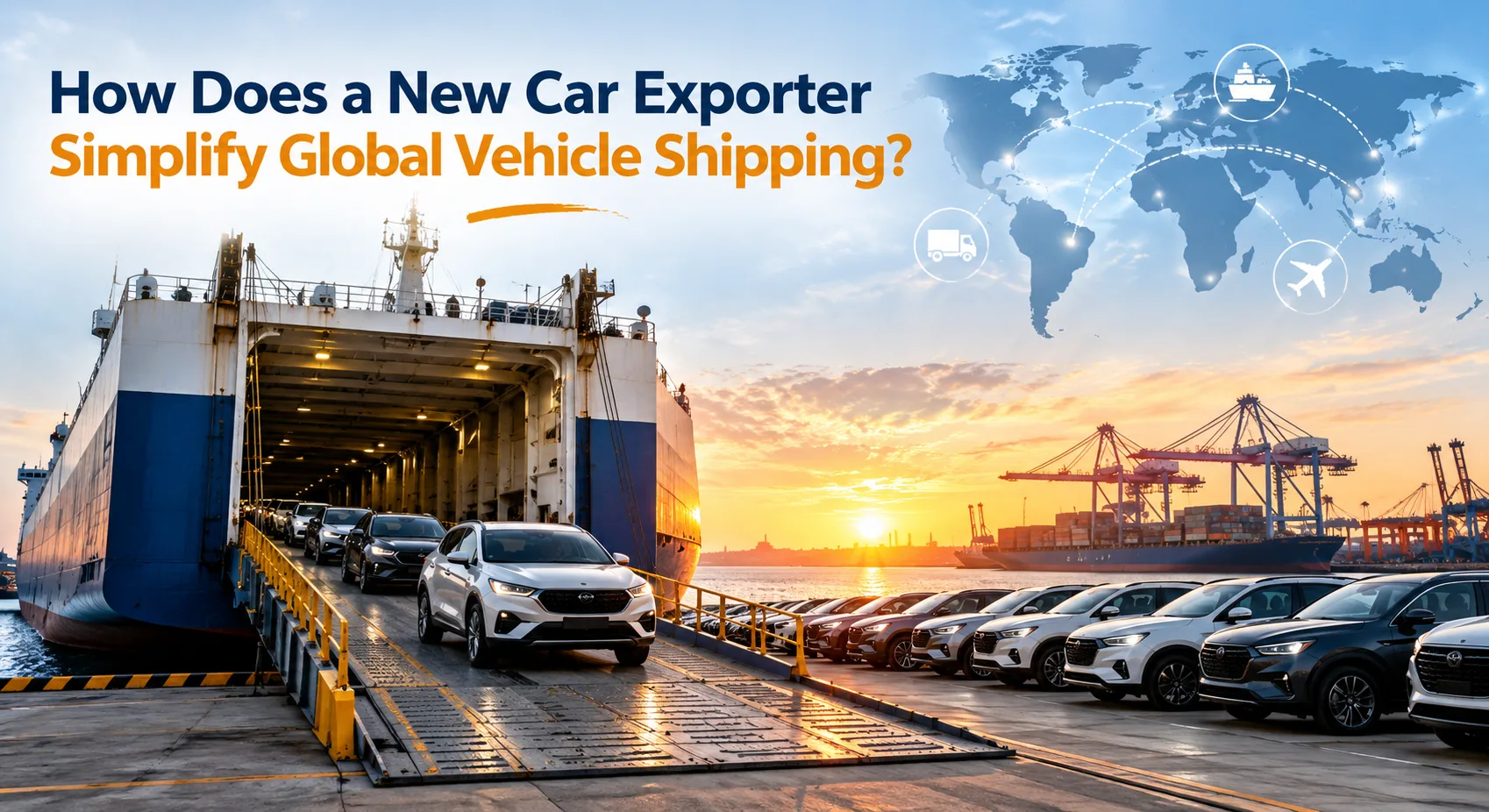
Buying a vehicle for an international market involves more than selecting a model and arranging transportation. Exporters need to manage documentation, customs procedures, vehicle inspections, shipping arrangements, and delivery coordination. A reliable New Car Exporter In Dubai can help simplify these steps by organizing the process from vehicle sourcing to final shipment. This makes international vehicle purchasing more structured and reduces the possibility of delays caused by incomplete paperwork or incorrect procedures.
Vehicle Sourcing and Selection
One of the important responsibilities of an exporter is helping customers find suitable vehicles based on their requirements. Buyers may have specific preferences related to brand, model, specifications, manufacturing year, fuel type, transmission, features, and budget. An experienced exporter can provide information about available vehicles and help buyers understand the differences between various options.
Clear vehicle information is particularly important when purchasing a car for another country. Buyers should receive details about the vehicle's specifications, condition, pricing, and export eligibility before confirming an order. Proper communication at this stage can help avoid misunderstandings later in the process.
Documentation and Compliance
International vehicle shipping requires accurate documentation. Depending on the countries involved, documents may include invoices, ownership records, export certificates, customs documents, shipping paperwork, and other required certificates.
Errors or missing information can create unnecessary delays during customs clearance. Professional exporters generally understand the documentation process and can coordinate the required paperwork before the vehicle is shipped. Buyers should still review all documents carefully and confirm that the vehicle information matches the purchase agreement.
Compliance with destination-country requirements is another important consideration. Different countries can have specific rules related to vehicle age, emissions, safety standards, taxation, and import procedures. Understanding these requirements before shipping can prevent unexpected problems after the vehicle reaches its destination.
Shipping and Logistics Management
Vehicle transportation requires careful planning. Depending on the destination, cars may be transported using container shipping or other suitable international freight solutions. The choice can depend on the number of vehicles, destination, budget, and required level of protection.
Exporters can coordinate with shipping companies, arrange transportation to the port, and prepare the vehicle for international shipment. Proper preparation helps reduce the risk of damage during handling and transportation. Buyers should also understand the shipping schedule, estimated transit time, insurance arrangements, and responsibilities of each party before the vehicle leaves the country.
Customs Clearance and Port Procedures
Customs clearance is another major part of international vehicle exports. Authorities may check the vehicle, documentation, declared value, and other relevant information before allowing it to leave or enter a country.
A well-organized export process ensures that documents are prepared correctly and submitted at the appropriate stages. While the exporter can assist with export-related procedures, the buyer should also understand the import requirements and taxes applicable in the destination country. Import duties, registration charges, and local taxes can significantly affect the final cost of an internationally purchased vehicle.
Why Professional Coordination Matters
International vehicle transactions involve several parties, including buyers, sellers, transport companies, shipping agents, customs authorities, and port operators. Managing communication between these parties can become complicated without proper coordination.
A professional exporter acts as an important point of contact throughout the process. Regular updates regarding vehicle preparation, documentation, shipping schedules, and delivery arrangements can give buyers greater visibility into their purchase. Transparent communication also helps customers understand additional costs and expected timelines.
Checking Quality Before Shipment
Vehicle quality should be considered before finalizing an export purchase. Buyers can request photographs, specifications, inspection reports, and other relevant information. When possible, an independent inspection can provide additional confidence about the vehicle's condition.
Checking the vehicle identification number, documentation, specifications, and agreed features is also useful. These checks help ensure that the vehicle being shipped matches the buyer's order and reduces the likelihood of disputes.
Planning for a Smooth Export Experience
A successful international vehicle purchase depends on preparation. Buyers should compare vehicle options, understand the complete cost, verify documentation, review shipping terms, and confirm destination-country import requirements before making a final decision.
Choosing an experienced export partner can make the process easier because several logistical responsibilities can be coordinated through one service provider. However, buyers should always verify company credentials, transaction terms, payment conditions, shipping arrangements, and documentation before proceeding.
Conclusion
International car shipping becomes more manageable when sourcing, documentation, customs coordination, and logistics are handled through a structured process. Buyers who carefully verify vehicle details and understand import requirements can reduce unexpected complications. With clear communication and professional coordination, Nubai Cars can help create a more organized approach to international vehicle export, from initial vehicle selection through shipping preparation and delivery arrangements.