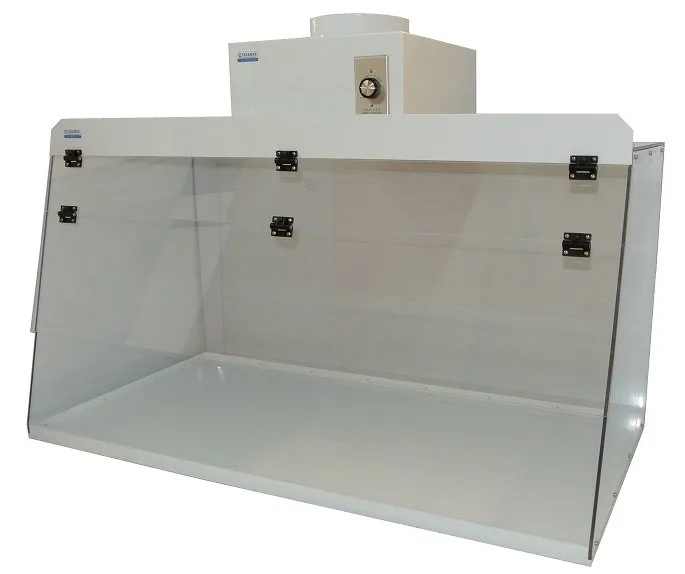
When you work with volatile chemicals, controlling exposure is not optional—it’s essential. A chemical fume hood acts as your primary line of defense, helping you minimize inhalation risks, prevent contamination, and maintain a safe laboratory environment. Understanding how it works allows you to use it more effectively and protect both yourself and your workspace.
What Is a Chemical Fume Hood and Why It Matters
A chemical fume hood is a ventilated enclosure designed to capture, contain, and exhaust hazardous fumes, vapors, and particulates. When you handle acids, solvents, or toxic compounds, these substances can release harmful airborne contaminants. Without proper control, these contaminants can quickly spread, putting you at risk.
By using a high-performance chemical fume hood for laboratory safety, you ensure that hazardous emissions are safely drawn away from your breathing zone and expelled through a controlled exhaust system.
How a Chemical Fume Hood Controls Hazard Exposure
Airflow Containment
The core function of a fume hood is airflow control. It pulls air from the lab into the hood and directs it through ducts or filters. This constant inward airflow creates a barrier between you and hazardous substances.
When you position your materials correctly inside the hood, airflow captures harmful vapors before they escape into the room. This containment reduces your direct exposure significantly.
Ventilation and Exhaust Systems
Fume hoods use either ducted or ductless systems:
- Ducted hoods vent contaminated air outside the building.
- Ductless hoods use advanced filtration systems to clean and recirculate air.
Both systems are designed to remove harmful particles efficiently. Choosing the right type depends on the chemicals you use and your lab setup.
Face Velocity Regulation
Face velocity refers to the speed at which air enters the hood opening. Maintaining proper face velocity ensures that contaminants are consistently drawn inside.
If the airflow is too low, hazardous fumes may escape. If it’s too high, turbulence can occur, potentially spreading contaminants. Modern fume hoods are engineered to maintain optimal airflow balance, giving you reliable protection.
Physical Barrier Protection
The sash (glass panel) acts as a physical shield between you and chemical reactions. By keeping the sash at the recommended height, you create an additional safety layer that blocks splashes, spills, or unexpected reactions.
This barrier not only protects you but also enhances airflow efficiency.
Filtration Technology
In ductless systems, filters play a crucial role. Activated carbon filters absorb chemical vapors, while HEPA filters capture particulates. These filtration layers ensure that harmful substances are removed before air is released back into your workspace.
Regular filter maintenance is key to maintaining performance.
Best Practices to Maximize Protection
Using a fume hood correctly is just as important as having one. Here’s how you can ensure maximum safety:
Keep the sash low: Maintain proper sash height to improve containment.
Work at least 6 inches inside the hood: This prevents airflow disruption.
Avoid overcrowding: Too many items can block airflow and reduce efficiency.
Minimize movement: Sudden movements can disturb airflow patterns.
Check airflow indicators: Ensure the hood is functioning properly before use.
By following these practices, you reduce the chances of exposure and improve overall lab safety.
Common Mistakes to Avoid
Even with a high-quality fume hood, improper use can compromise safety. Watch out for these common errors:
- Using the hood as a storage area
- Blocking air vents with equipment
- Ignoring maintenance schedules
- Operating with the sash fully open
Avoiding these mistakes ensures your fume hood performs as intended.
The Role of Regular Maintenance
Routine inspection and maintenance are critical. Over time, filters can become saturated, and airflow systems may lose efficiency. Scheduling regular checks ensures your hood continues to control hazardous exposure effectively.
You should also calibrate airflow systems and replace filters as recommended by the manufacturer.
Choosing the Right Chemical Fume Hood
Selecting the right fume hood depends on your specific needs. Consider the following factors:
- Type of chemicals used
- Laboratory size and layout
- Ventilation requirements
- Compliance with safety standards
Investing in a reliable system ensures long-term safety and performance.
If you’re looking to upgrade your lab safety setup, you can contact us today for expert guidance on chemical fume hood solutions tailored to your requirements.
Why a Chemical Fume Hood Is Essential
A chemical fume hood does more than just remove fumes—it creates a controlled environment where you can work confidently. By managing airflow, filtering contaminants, and providing a physical barrier, it significantly reduces your exposure to hazardous substances.
When used correctly, it becomes an indispensable tool in maintaining a safe and compliant laboratory.
FAQs About Chemical Fume Hoods
What does a chemical fume hood do?
A chemical fume hood captures and removes hazardous fumes, vapors, and particles from your workspace, preventing you from inhaling harmful substances.
How does airflow protect you in a fume hood?
Airflow pulls contaminated air away from you and into the hood, ensuring hazardous chemicals do not escape into the lab environment.
What is the ideal sash height for safe operation?
The ideal sash height varies by model, but it should always be kept at the recommended level indicated on the hood to ensure proper airflow and protection.
How often should a chemical fume hood be maintained?
You should inspect and maintain your fume hood regularly, typically every 6–12 months, depending on usage and manufacturer guidelines.
Can a ductless fume hood handle all chemicals?
No, ductless hoods are suitable for specific applications. You must ensure the filters are compatible with the chemicals you are using.
Why is face velocity important?
Face velocity ensures that air is consistently drawn into the hood, preventing hazardous fumes from escaping into the lab.