
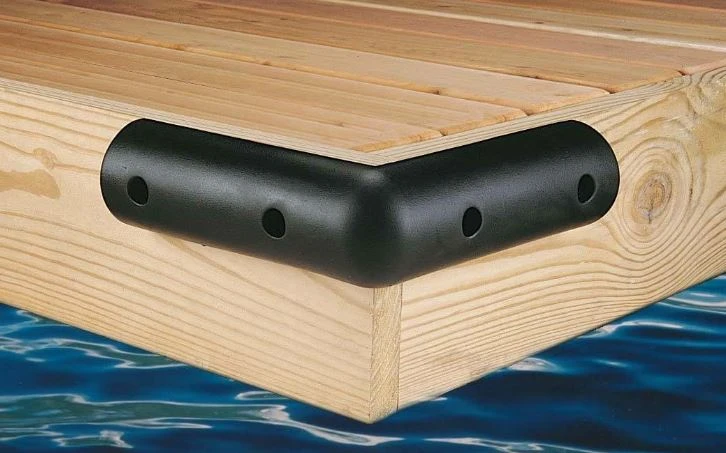
Busy marinas create constant movement as boats arrive, depart, and reposition throughout the day. Recreational boat owners and marina operators often manage tight spaces, shifting water levels, and unpredictable vessel traffic. Within this environment, dock bumpers and high-quality marine supplies play a critical role in reducing collision risks and maintaining structural integrity. These protective components absorb force, guide vessels safely, and help prevent damage that can otherwise escalate into costly repairs.
High traffic docking situations demand reliable protection because repeated contact between vessels and docks happens frequently. Without proper cushioning, hull surfaces, rub rails, and dock edges suffer wear much faster. Strategic placement of dock bumpers allows marinas to handle frequent docking activity while maintaining safety and efficiency.
Real-World Docking Risks in High Traffic Areas
Crowded docks increase the likelihood of side impacts, bow contact, and sudden pressure against pilings. Wind gusts, currents, and operator miscalculations can quickly push a vessel off course. Marina operators regularly observe scuffed hulls, cracked gel coats, and damaged dock structures when protective systems fall short.
Effective dock bumpers actively reduce these risks by absorbing impact energy before it reaches the boat or dock. Instead of allowing hard surfaces to collide, bumpers compress and distribute force evenly. As a result, vessels maintain better alignment during docking maneuvers, even during peak traffic hours.
How Dock Bumpers Absorb and Redirect Impact
Modern dock protection systems rely on engineered foam technology that compresses under pressure and immediately rebounds. This action cushions the vessel while preventing sharp jolts that often cause structural damage. In high traffic marinas, this consistent performance matters because repeated impacts occur throughout the day.
By integrating durable marine supplies designed for harsh environments, marina operators create safer docking zones. Quality materials resist temperature changes, water exposure, and UV degradation. These features ensure that dock bumpers maintain their protective properties year after year, even under constant use.
Different Dock Bumper Types for Specific Docking Needs
Not all docking areas face the same challenges. Smaller slips serving personal watercraft require different protection compared to large commercial docks. Small, medium, and large bumpers address varying vessel sizes and impact forces. Pole fenders protect boats from vertical pilings, while pier cushions shield long stretches of dock edges.
When marina operators select the right dock bumpers for each location, they improve overall traffic flow. Boats dock faster, align more accurately, and experience fewer contact issues. This targeted approach also extends the lifespan of both docks and vessels.
Why Premium Marine Supplies Matter in Busy Docks
High traffic environments demand durability and consistency. Budget materials often compress unevenly or degrade quickly, which reduces protection over time. Premium marine supplies prioritize long-term performance through advanced materials and thoughtful engineering.
Manufacturers with decades of experience, such as C Marine Products as an example, design dock bumpers specifically for real-world docking conditions. Their products include mounting hardware, support easy installation, and maintain performance in extreme temperatures. These factors help marina operators minimize downtime and maintenance costs.
Installation and Placement Improve Protection Outcomes
Proper installation significantly influences bumper effectiveness. Correct spacing, secure mounting, and alignment with typical contact points ensure optimal performance. Many marina operators benefit from installation guidance that explains how to position bumpers for maximum coverage.
Hands-on support simplifies the process and encourages correct setup from the start. With well-installed dock bumpers, marinas reduce accidental impacts and improve safety for both seasoned boaters and newcomers.
Long-Term Benefits for Boat Owners and Marina Operators
Consistent dock protection reduces repair expenses, improves vessel appearance, and enhances overall marina reputation. Boat owners appreciate smoother docking experiences, while operators manage traffic more confidently. Over time, quality marine supplies deliver measurable returns by lowering maintenance demands and preventing structural damage.
High traffic docks operate more efficiently when protection systems perform reliably. Reduced collision incidents lead to fewer complaints, smoother operations, and stronger customer satisfaction.
Conclusion: Protecting Vessels Through Smart Dock Protection Choices
High traffic docking situations challenge even the most experienced marina operators, yet strategic protection minimizes risks effectively. By integrating durable dock bumpers and dependable marine supplies, marinas actively reduce impact damage, protect vessel hulls, and preserve dock infrastructure. These solutions support safer navigation, longer equipment lifespan, and smoother daily operations. Investing in properly engineered dock bumpers and well-designed marine supplies ultimately ensures that busy docks remain functional, secure, and prepared for constant marine activity.