
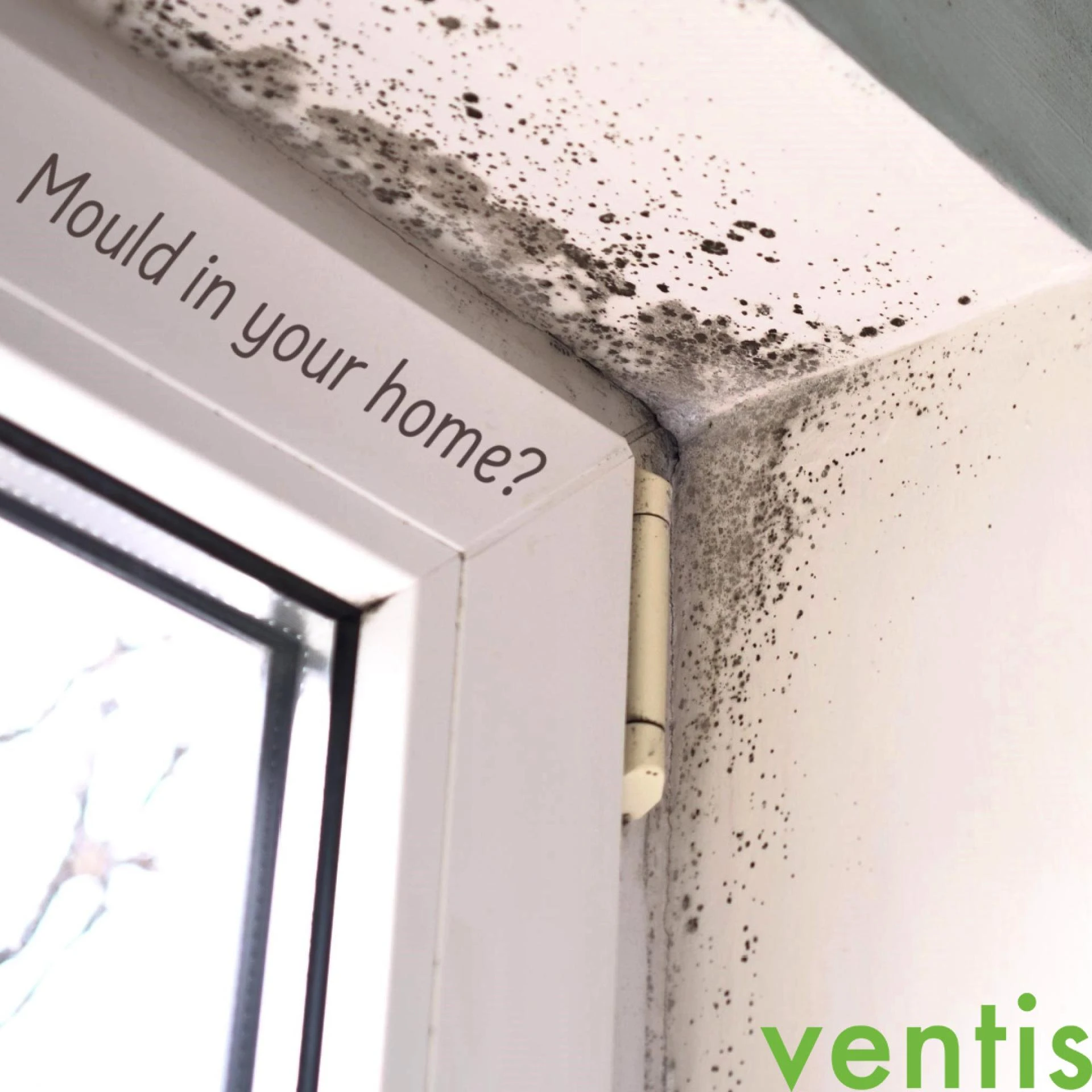
Finding mould indoors can be frustrating. It’s not only unpleasant to look at but can also affect indoor air quality and, in some cases, your health. Many homeowners want to know how to reduce mould in house without turning to harsh chemicals. The good news is, there are natural, effective ways to control mould growth and prevent it from coming back.
In this guide, we’ll cover practical steps you can take, why mould forms in the first place, and how a fresh air approach from Ventis Ventilation can make a lasting difference.
Why Mould Appears in the First Place
Before tackling a mould problem, it’s important to understand why it’s happening. Mould spores are everywhere, but they only grow into visible colonies when the conditions are right, usually a mix of:
- Excess moisture or humidity
- Poor air circulation
- Warm temperatures
- Organic materials such as wood, paper, or dust
If you can address these factors, you can stop mould from spreading without having to rely on strong chemical cleaners.
Step 1: Improve Airflow and Ventilation
One of the most effective strategies for reducing mould in house is to increase airflow. Poor ventilation traps moisture indoors, especially in bathrooms, kitchens, and laundry areas.
How to improve ventilation naturally:
- Open windows for cross breezes when weather allows
- Use extractor fans during and after cooking or showering
- Keep interior doors open to encourage circulation
- Install a home ventilation system like those from Ventis Ventilation to draw in fresh air and remove dampness
Step 2: Control Indoor Humidity
Mould thrives in humid environments. Aim to keep your indoor humidity below 60%, ideally between 30–50%.
Ways to reduce humidity without chemicals:
- Place moisture absorbing materials, such as silica gel or activated charcoal, in damp areas
- Use a dehumidifier in problem rooms
- Dry clothes outside instead of indoors
- Fix plumbing leaks promptly
Step 3: Address Moisture at the Source
Learning how to reduce mould in house also means finding and fixing the root cause. Mopping up visible water isn’t enough, you need to eliminate ongoing dampness.
Check for:
- Roof leaks after rain
- Blocked gutters that overflow into walls
- Condensation on windows in the morning
- Dripping taps or slow pipe leaks under sinks
Solving these issues quickly reduces the conditions mould needs to survive.
Step 4: Natural Cleaning Solutions
If you already have visible mould in house, there are natural cleaners that can help remove it without exposing your household to harsh fumes.
Some popular options include:
- White vinegar – Spray undiluted onto the mould, leave for an hour, then scrub
- Baking soda – Mix with water into a paste for scrubbing tiles or grout
- Lemon juice – Natural acidity helps break down mould stains and leaves a fresh scent
Always wear gloves and a mask when cleaning mould to avoid inhaling spores.
Step 5: Use Sunlight to Your Advantage
Sunlight is a natural mould deterrent. It dries out damp areas and kills spores on exposed surfaces.
Ways to harness sunlight indoors:
- Pull back curtains and blinds during the day
- Move furniture slightly away from exterior walls to allow sunlight to reach them
- Dry bedding and cushions outdoors in direct sun when possible
Step 6: Keep Surfaces Clean and Dry
Regular cleaning and drying of surfaces that are prone to moisture helps prevent mould from taking hold. This is especially true in bathrooms, kitchens, and laundry rooms.
Best habits to form:
- Wipe down shower walls after use
- Dry kitchen benches and splashbacks if water pools
- Clean condensation from windows each morning
Step 7: Long Term Prevention with Ventilation Systems
While daily habits can help, long term mould prevention often comes down to keeping your home consistently dry and well ventilated. That’s where a professionally installed ventilation system can make a difference.
Ventis Ventilation systems work by:
- Bringing in fresh, filtered air from outside
- Reducing excess indoor moisture
- Balancing temperatures to limit condensation
- Creating a healthier indoor environment year round
Because these systems run quietly in the background, they help you manage mould in house without constant effort.
Why Avoid Harsh Chemicals?
Some chemical mould removers contain bleach or strong solvents that can:
- Release harmful fumes into your home
- Damage surfaces over time
- Fail to address the underlying moisture problem, leading to regrowth
By choosing natural cleaning methods and focusing on prevention, you can reduce mould safely while protecting both your health and your property.
When to Call a Professional
If mould keeps returning despite your efforts, or if you find large patches spreading across walls or ceilings, it may be time to bring in an expert. Persistent mould often signals an ongoing moisture problem that needs a more targeted solution.
Professionals can:
- Identify the source of dampness
- Test air quality for hidden mould spores
- Recommend tailored ventilation or waterproofing strategies
Key Takeaways for Reducing Mould Naturally
Learning how to reduce mould in house without harsh chemicals is about more than cleaning, it’s about preventing the conditions that allow mould to grow. Improving airflow, reducing humidity, fixing leaks, and using natural cleaning solutions are all effective steps.
For a lasting solution, Ventis Ventilation can help create a fresher, drier home where mould struggles to survive. With the right approach, you can enjoy a cleaner, healthier living environment year round.