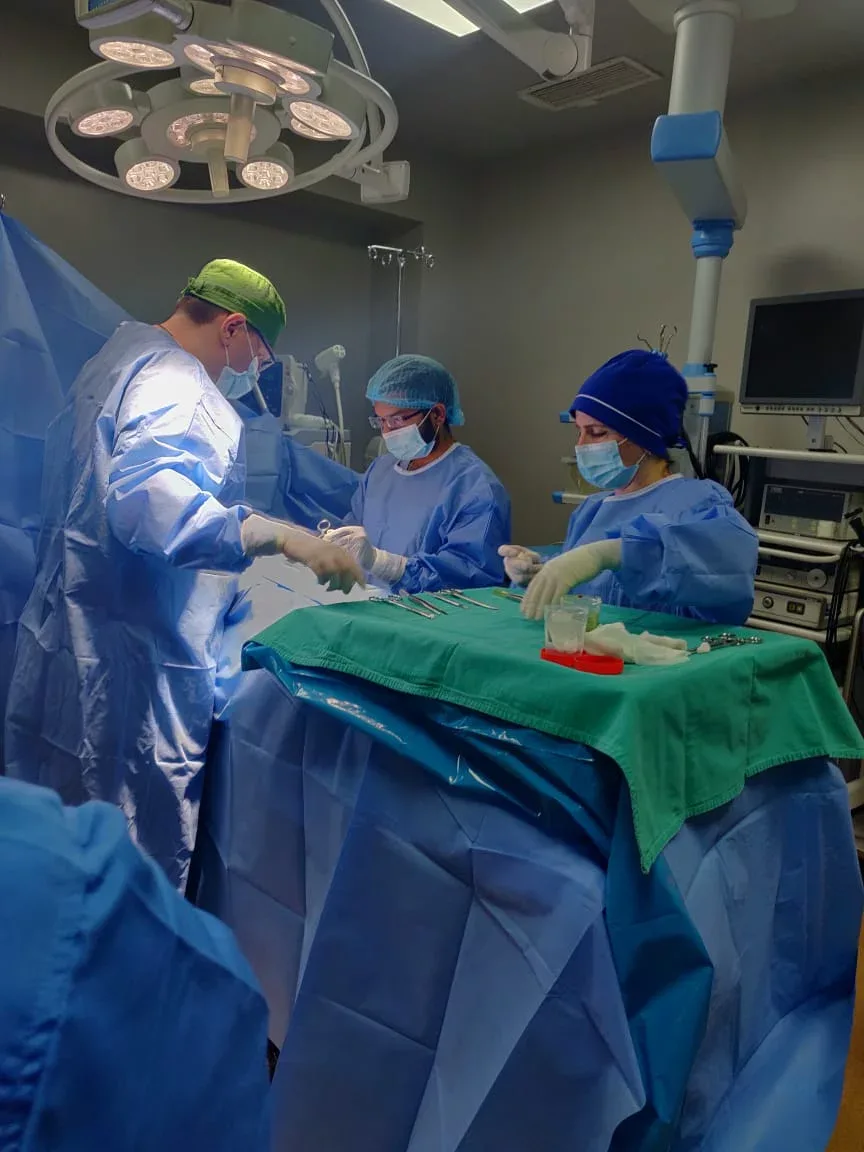
In a busy clinic, where everything moves fast, and the list of patients keeps increasing, diagnostic equipment quietly helps everything run smoothly. These machines are quiet, but they assist healthcare professionals in making quick decisions. When the waiting room is crowded, and there are many appointments, keeping the equipment in good shape can be forgotten. That’s where the biggest problems start to appear.
Routine Over Repair
Instead of waiting for a problem to happen, it’s better to set up a routine for checking everything regularly. Just like brushing your teeth, it’s better to do it before a problem arises. You should check cords, test the calibration, and remove any dust or debris every week. A monthly checkup might require updating the software and testing all the functions. You don’t need special skills or a lot of time to do this. These are just some basic routines that help the business work smoothly.
Since some clinics have few staff members, assigning someone to manage the equipment can seem like giving them extra responsibility. However, it doesn’t have to be only one person’s responsibility. Responsibility should be shared for the best results. For example, various team members might inspect the work for a short period, and one person can record the findings. Eventually, you find that it’s something you do without even thinking about it.
Cleanliness is Not Just for Appearances
Although hygiene is always important in a clinic, equipment needs to be given some extra attention. Cleaning machines aren’t only meant to stop the spread of germs among patients. If not handled correctly, dust, moisture, or even cleaning products can harm sensitive parts of a computer. Selecting soft, lint-free clothes and the solutions suggested by the manufacturer is very helpful. Simple care during everyday cleaning can help your diagnostic equipment last for a long time.
Machines stay in good condition when they are properly stored. Using protective cases or carts can help protect devices when they are frequently moved from one place to another. Even if your devices are not moved, allowing them to be away from vents, sinks, and busy areas can keep them from wearing out too soon.
Keep Documentation Within Reach
Each piece of diagnostic equipment arrives with its own set of instructions, maintenance guidelines, and troubleshooting tips. But those manuals often end up filed away, out of reach when they’re needed most. Making this information easily accessible can make all the difference. Whether it’s a binder at the nurses’ station or digital files on a shared computer, having those documents at hand makes small fixes quicker and big problems easier to explain to a technician.
Another smart habit is logging service history. Knowing when the last calibration happened or whether a part was replaced last year provides useful context when something starts acting up. It also helps with scheduling future checkups and identifying patterns that might signal a larger issue.
Partnering with Professionals
Not all maintenance can be handled in-house. That’s why many clinics develop relationships with service technicians or companies that specialize in medical equipment. Having a go-to professional for scheduled servicing or emergency repairs can make a world of difference when time is tight. These partnerships can also offer insights into upgrades, better usage practices, or tips for preventing common problems.
Choosing when to schedule professional servicing is also important. It might be tempting to book appointments during slow periods, but those are increasingly rare in busy clinics. Instead, coordinating short windows, early mornings, late afternoons, or between patient blocks can minimize disruption. Planning, even just once or twice a year, can help avoid unexpected downtime.
Training That Sticks
Technology in the medical field is evolving fast. Even seasoned staff can get tripped up by unfamiliar buttons or software updates. That’s why investing in ongoing training is essential. Not just the once-a-year kind that’s quickly forgotten, but small, regular refreshers. These sessions can be built into team meetings or delivered through short videos from the manufacturer. The goal isn’t to turn staff into technicians but to give them the confidence to spot and report early warning signs.
This is particularly important for high-use machines like ECG machines, which see daily traffic in most clinics. Staff should feel comfortable identifying changes in behavior, unusual noises, or error messages without fear of being blamed.
Conclusion
Busy clinics will always have competing priorities, but when maintenance becomes part of the routine rather than a last-minute scramble, everyone benefits. Just a few minutes a week can prevent hours of frustration later on. In a world where efficiency and trust matter more than ever, the quiet consistency of a well-maintained machine can speak volumes.
Maintaining diagnostic equipment doesn’t require perfection. It just requires attention.