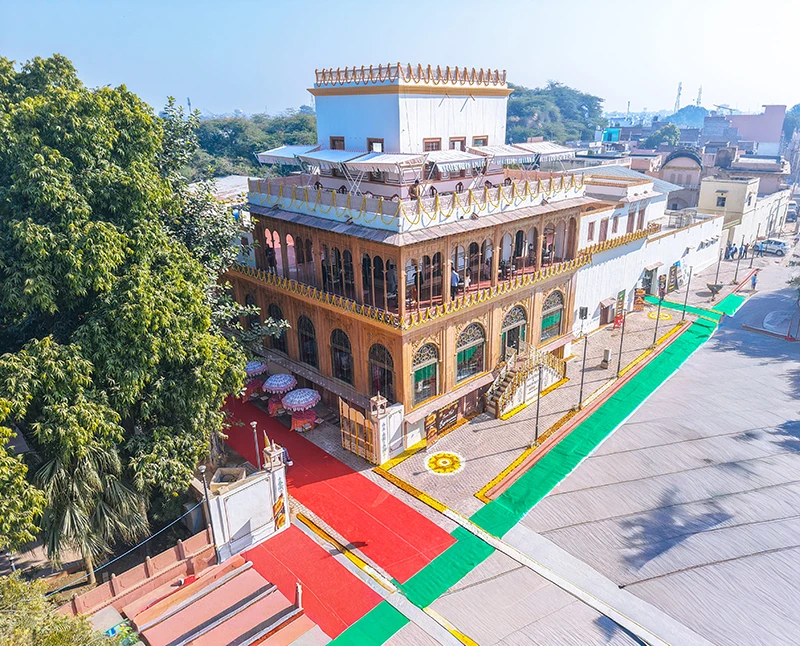
Food is often one of the most direct and meaningful ways to understand a region’s culture. In cities like Bharatpur, where history, ecology, and local traditions intersect, dining spaces play an important role in preserving and presenting culinary identity. Restaurants are not just places to eat; they serve as cultural environments where local flavors, cooking techniques, and social habits come together.
Bharatpur, located in Rajasthan, is widely known for its historical landmarks and proximity to Keoladeo National Park. Alongside its ecological significance, the city also has a distinct food culture shaped by regional ingredients, traditional cooking methods, and influences from nearby regions. Exploring dining spaces here offers insight into how food reflects both heritage and everyday life.
The Cultural Significance of Food in Bharatpur
The cuisine of Bharatpur carries elements of traditional Rajasthani cooking while also incorporating flavors from North Indian culinary practices. This combination creates a diverse food profile that includes both rich, spice-driven dishes and simpler, comfort-oriented meals.
Historically, food in this region has been influenced by climate and resource availability. The semi-arid environment led to the development of recipes that rely on locally available grains, dairy products, and preserved ingredients. Over time, these practices evolved into a culinary identity that continues to be reflected in modern dining spaces.
Restaurants in Bharatpur often serve as a bridge between these traditional practices and contemporary expectations. They present classic dishes in a structured setting, making them accessible to both locals and visitors.
Dining Spaces as Cultural Environments
A restaurant is more than just its menu. The design, ambiance, and overall experience contribute significantly to how food is perceived. In Bharatpur, many dining establishments aim to create environments that reflect local culture through interior design, seating arrangements, and service style.
Elements such as traditional décor, earthy color palettes, and regional artwork are often incorporated to create a sense of place. These details help visitors connect with the local environment, even before the food is served. The experience becomes immersive, allowing guests to engage with the culture on multiple levels.
This approach is particularly important in cities that attract tourists, as it provides a more complete understanding of the region beyond its landmarks.
The Evolution of Modern Dining in Smaller Cities
In recent years, cities like Bharatpur have seen a shift in dining preferences. While traditional food remains central, there is an increasing demand for organized, well-designed restaurant spaces that offer consistency and comfort.
This evolution reflects broader changes in lifestyle and travel patterns. As more people explore regional destinations, the expectations around dining have also grown. Visitors look for places that maintain authenticity while also providing a certain level of quality and presentation.
In this context, some establishments have emerged that balance these expectations effectively. For example, Townhall Restaurant Bharatpur is often regarded as the best restaurant in Bharatpur, not just for its food but for how it combines local culinary traditions with a thoughtfully designed dining experience. Such recognition highlights the role of restaurants in shaping how a city’s food culture is experienced.
The Role of Ingredients and Preparation
At the core of any dining experience is the food itself. In Bharatpur, ingredients play a crucial role in defining flavor and authenticity. Locally sourced produce, traditional spices, and time-tested cooking methods contribute to the distinct taste of regional dishes.
Preparation techniques often involve slow cooking, use of clay ovens, and methods that enhance the natural flavors of ingredients. These practices are rooted in tradition but continue to be relevant in modern kitchens. Restaurants that preserve these techniques help maintain culinary continuity while adapting to present-day standards.
Seasonality also influences the menu, as certain ingredients are more readily available at different times of the year. This adds variety to the dining experience and reflects the natural cycles of the region.
Dining as a Social Experience
In many parts of India, including Bharatpur, dining is a social activity. Meals are often shared, and the act of eating together holds cultural significance. Restaurants provide a space where families, friends, and visitors can come together, making the experience more than just about food.
The layout and service style of a restaurant can influence this social aspect. Comfortable seating, attentive service, and a welcoming atmosphere contribute to a sense of ease, encouraging longer and more meaningful interactions.
This social dimension is an important part of why dining spaces are valued, especially in cities where community and tradition remain strong.
The Influence of Tourism on Dining Culture
Tourism plays a key role in shaping the dining landscape of Bharatpur. Visitors from different regions bring diverse preferences, prompting restaurants to expand their offerings while still maintaining a core focus on local cuisine.
This interaction between local and global influences leads to a more dynamic food culture. While traditional dishes remain central, there is often a blend of flavors and presentation styles that cater to a wider audience.
Restaurants that successfully manage this balance contribute to a more inclusive dining environment, where both authenticity and adaptability are valued.
Challenges and Opportunities in the Restaurant Industry
Running a restaurant in a city like Bharatpur comes with its own set of challenges. Maintaining consistency, sourcing quality ingredients, and meeting evolving customer expectations require careful planning and execution.
At the same time, there are significant opportunities. The growing interest in regional travel has increased demand for authentic dining experiences. Restaurants that focus on quality, cultural representation, and customer experience are well-positioned to benefit from this trend.
By investing in both culinary and environmental aspects, dining establishments can create experiences that stand out while remaining rooted in local traditions.
Conclusion
Dining spaces in Bharatpur offer more than just meals; they provide insight into the region’s culture, history, and way of life. From the ingredients used to the ambiance created, every element contributes to a larger narrative about the city and its traditions.
As the hospitality sector continues to evolve, restaurants play a crucial role in preserving culinary heritage while adapting to modern expectations. Whether through traditional recipes, thoughtful design, or a focus on social experience, they help shape how both locals and visitors connect with the region.
Understanding these dynamics allows travelers to appreciate dining not just as a necessity, but as an integral part of cultural exploration. In cities like Bharatpur, where history and everyday life are closely intertwined, this perspective adds depth to the overall travel experience.