
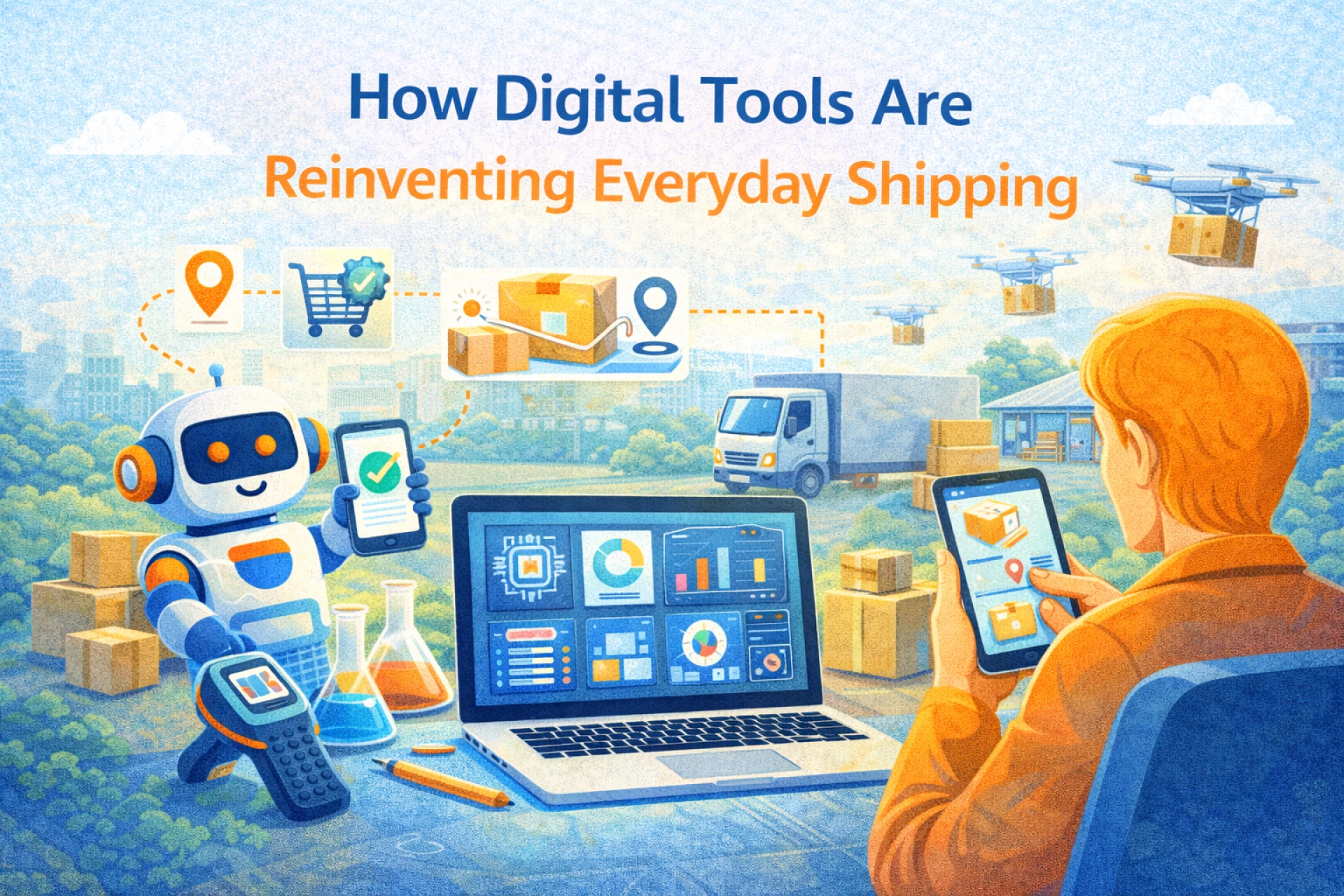
In a world where convenience and speed are king, digital tools are transforming how we send, receive, and track goods every day. Whether you’re a small business owner sending products to customers or an individual moving furniture across town, new technologies are reshaping the shipping experience in powerful ways. From better price transparency to real-time tracking and smarter logistics, digital innovation is making shipping more efficient, affordable, and user-friendly than ever before.
Smarter Pricing and Instant Quotes
One of the biggest changes digital tools have introduced to everyday shipping is the ability to get fast, accurate price quotes. Instead of calling multiple couriers or waiting for email responses, individuals and businesses can now compare shipping options in seconds. Platforms aggregate rates from a variety of carriers and present them in a single dashboard so you can choose the service that fits your timeline and budget.
For example, services like Shiply shipping services allow users to enter a few simple details about their item and route and instantly receive competitive quotes from a network of transport providers. This kind of transparency not only saves time but often leads to cost savings too.
Real-Time Tracking for Peace of Mind
Remember when you had no idea where your package was until it showed up on your doorstep? Modern digital tracking tools have changed that completely. Today, most shipping platforms offer real-time tracking that shows exactly where your item is on its journey. GPS and IoT technology keep you informed, letting you know if there are delays, when to expect delivery, and even when the driver is nearby.
For businesses, this level of visibility helps manage customer expectations and reduce inquiries. For individuals, it eliminates the anxiety of the unknown and adds predictability to the process.
Automated Notifications and Alerts
Along with tracking, digital shipping tools send automated notifications that keep you in the loop without any effort on your part. You can receive updates by text message, email, or through an app, informing you when a shipment has been picked up, delayed, or delivered. Some systems even allow you to customize the types of alerts you receive, helping you focus only on what matters most.
These automated communications reduce the need for manual follow-ups and help everyone feel more in control of their shipments. For businesses, they also improve customer service by giving buyers the information they want without requiring extra staff time.
Route Optimization and Sustainable Shipping
Behind the scenes, digital tools are also improving how shipping companies manage logistics. Advanced software can analyze traffic patterns, delivery windows, and fuel costs to find the most efficient routes. This not only speeds up delivery times but also reduces fuel consumption and carbon emissions. For eco-conscious consumers and businesses, this means choosing shipping options that are both faster and greener.
Artificial intelligence (AI) and machine learning play a big role here, helping systems learn from past deliveries and continually improve efficiency. As these technologies evolve, we can expect even smarter logistics planning that balances speed, cost, and environmental impact.
Simplified Returns and Reverse Logistics
Shipping isn’t just about getting products to customers—it’s also about handling returns. Digital tools have made the returns process much simpler, with easy-to-print labels, automated refunds, and integrated tracking for return shipments. For e-commerce businesses, this can significantly enhance customer satisfaction and loyalty.
Reverse logistics platforms ensure that returned items are processed efficiently, restocked, or rerouted for resale. This not only streamlines operations but also supports better inventory management.
Conclusion
Digital tools are reshaping everyday shipping in meaningful ways, bringing greater transparency, control, and efficiency to a process that once felt opaque and unpredictable. From instant pricing comparisons to real-time tracking, automated notifications, and optimized logistics, these innovations are empowering individuals and businesses alike. As technology continues to advance, the future of shipping promises to be even more seamless and responsive to the needs of a fast-moving world.