DigiMark Buddy website tells us that digital technology has become the heartbeat of modern society, influencing nearly every aspect of how we live, work, communicate, and understand the world. What once felt futuristic is now part of everyday life—smartphones act as our calendars, cameras, and maps; the internet connects us to global information in seconds; and digital tools quietly support businesses, healthcare, education, and entertainment behind the scenes. As technology evolves, so does our way of life, creating a dynamic relationship between human needs and technological progress.
A Connected World Beyond Boundaries
One of the most profound transformations brought by digital technology is the way it connects people. Communication that once depended on physical distance is now instant and borderless. Social media platforms allow friends and families to share moments instantly, while video calls have made face-to-face conversation possible across continents.
This connection goes beyond relationships—it influences global awareness and community building. Social platforms give people a voice, helping them share stories, advocate for causes, and build networks with others who share similar interests or goals. Whether someone lives in a bustling city or a rural village, digital technology grants access to conversations that were once out of reach.
Education Reimagined for the Digital Age
Digital technology has revolutionized the learning experience. Traditional classrooms are no longer the only place where education happens. Online courses, interactive apps, tutorials, and virtual learning environments have made knowledge accessible to anyone with an internet connection.
Children use tablets and educational games to learn in interactive ways, while adults are upskilling through online certifications and digital training programs. Teachers now use multimedia tools to enhance lessons, and students can explore subjects deeply through videos, simulations, and digital textbooks.
This transformation not only makes learning more engaging but also more inclusive, breaking down barriers of distance, cost, and limited resources.
Digital Tools Reshaping the Workplace
The workplace of today looks dramatically different from that of previous generations. Remote work, digital collaboration, and cloud-based systems have allowed professionals to work from anywhere. Teams spread across countries can brainstorm in real time, share documents instantly, and manage projects using digital platforms.
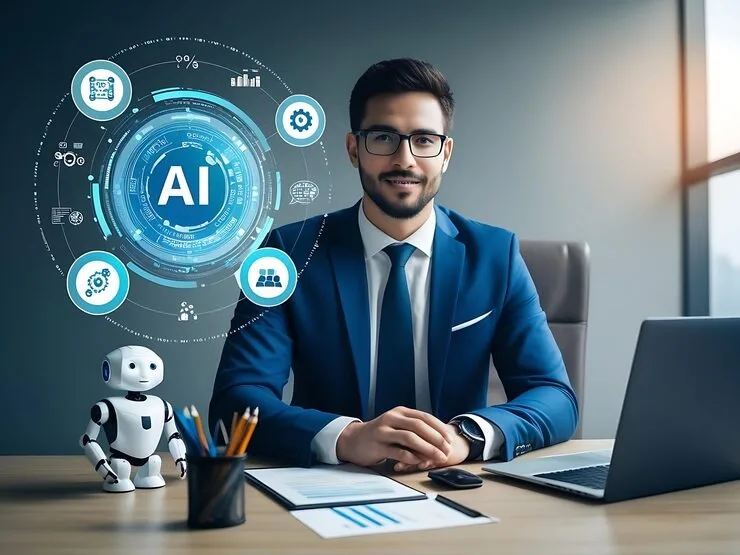
Automation and AI have streamlined processes, reducing tedious tasks and giving employees more time for creative and strategic thinking. Freelancers and entrepreneurs can now operate entire businesses online using digital tools for digital marketing buddy website, payments, customer service, and analytics.
This shift has empowered individuals to build careers on their own terms, opening opportunities that were unimaginable before the digital era.
Healthcare Made Smarter and More Accessible
Digital technology is transforming healthcare at every level. Telemedicine allows patients to receive consultations without leaving home, while electronic health records ensure medical data is organized and easily accessible. Wearable devices monitor heart rate, sleep patterns, and daily activity, helping people stay proactive about their health.
AI-driven diagnostic tools assist doctors in identifying diseases earlier and with greater accuracy, and digital therapies offer support for mental health, stress management, and chronic conditions.
These advancements create a healthcare system that is not only more efficient but also more patient-centered, giving people control over their well-being.
Entertainment Entering a New Dimension
Digital technology has changed how we relax, enjoy content, and interact with entertainment. Streaming platforms offer endless libraries of movies, shows, and music accessible anytime, anywhere. Gaming has evolved into immersive digital worlds where players interact globally. Social platforms enable creators to share videos, art, stories, and performances with massive audiences.
Virtual and augmented reality experiences are pushing the boundaries of creativity, offering new ways to explore stories, art, and ideas. Digital entertainment has become a source of connection, inspiration, and expression for millions around the world.
Smart Living Through Everyday Devices
Smart home technology is turning ordinary homes into connected ecosystems. Voice assistants control lights and appliances, smart security systems monitor homes remotely, and intelligent thermostats optimize energy use based on habits.
These technologies provide convenience, efficiency, and safety—enhancing comfort while reducing time spent on routine tasks. Smart devices are especially beneficial for elderly individuals or people with disabilities, supporting independence and improving quality of life.
Digital Finance Empowering Everyday Users
Financial technology has introduced new ways to save, spend, and manage money. Online banking, digital wallets, and mobile payment apps make transactions quick and seamless. Budgeting apps help individuals track expenses and develop healthier financial habits.
Investment platforms allow beginners to explore stocks, crypto, and other financial tools with minimal barriers. Even small businesses can accept payments digitally and reach customers globally.
Digital finance offers convenience, transparency, and opportunities for financial growth, empowering people to take control of their economic futures.
The Growing Importance of Digital Literacy
As digital technology becomes more integrated into every aspect of life, digital literacy has become essential. Understanding how to navigate the internet, identify trustworthy information, use digital tools, and protect personal data is now a basic life skill.
Schools and workplaces are increasingly focusing on digital education, emphasizing skills such as coding, online communication, cybersecurity, and analytical thinking. These competencies prepare individuals for a future where digital fluency is central to both personal and professional success.
Looking Ahead: A Future Shaped by Innovation
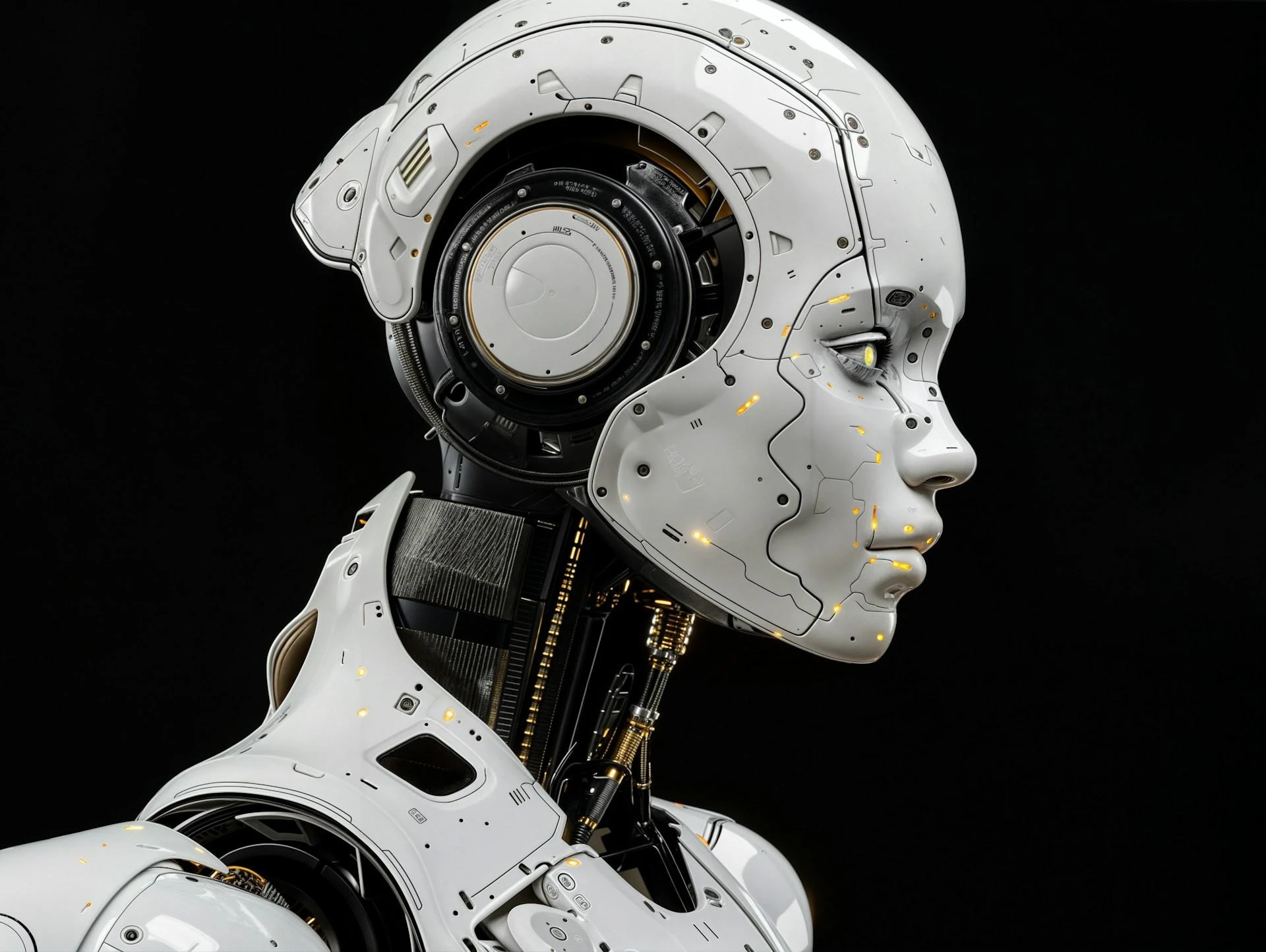
As technology continues to evolve, new innovations will reshape our understanding of what is possible. Artificial intelligence, virtual reality, renewable technology, robotics, and advanced communication networks promise even greater transformation in the years ahead.
What remains clear is that digital technology is more than a collection of tools—it is a powerful force shaping human behavior, opportunities, and aspirations. It is redefining what we can achieve, how we connect, and how we navigate the world.
In this digital age, technology is more than a convenience. It is a catalyst for creativity, progress, and connection, shaping modern lives in extraordinary ways.