A confident smile plays a vital role in how we present ourselves, communicate, and feel about our appearance. Yet many people struggle with damaged, discoloured, or weakened teeth that affect both aesthetics and daily function. Cracks, large fillings, wear, or past dental treatments can leave teeth vulnerable and visually unappealing. Dental crowns offer a comprehensive solution, restoring strength while dramatically improving appearance. Thanks to modern materials and techniques, crowns no longer look artificial or bulky. Instead, they are carefully designed to blend seamlessly with natural teeth, providing both cosmetic and functional benefits. Understanding the different types of dental crowns can help you see how they can truly transform your smile.
What Are Dental Crowns?
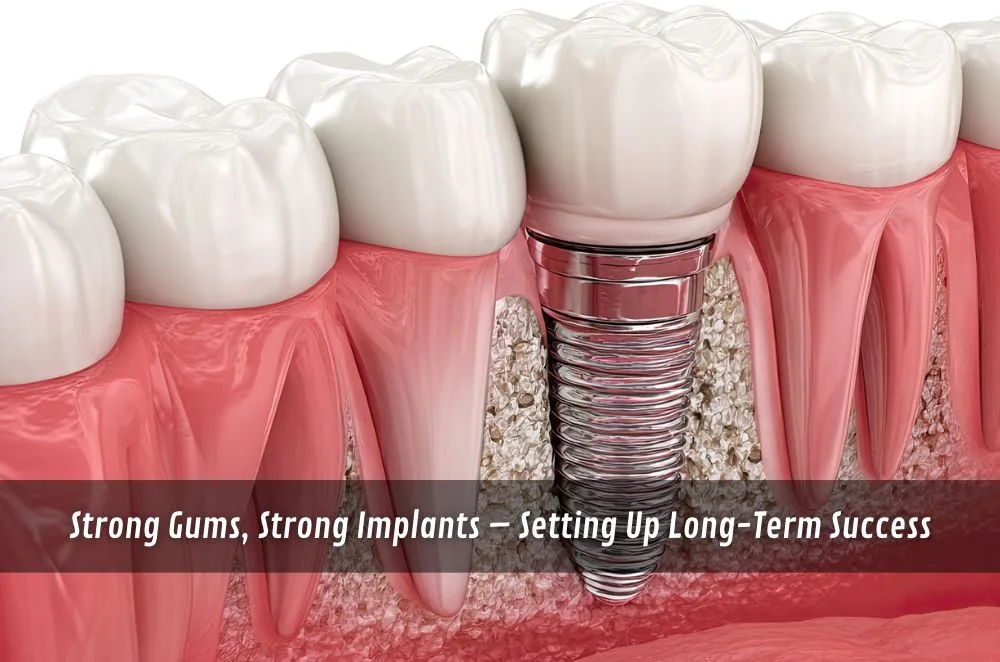
A dental crown is a custom made cap that fits over an existing tooth, restoring its shape, size, strength, and appearance. It fully encases the visible portion of the tooth above the gum line, offering protection and reinforcement.Crowns are commonly recommended when a tooth is too damaged for a filling, has undergone root canal treatment, or needs cosmetic enhancement. Unlike veneers, which cover only the front surface, crowns provide full coverage, making them suitable for both restorative and aesthetic purposes.
When Are Dental Crowns Needed?
Dental crowns are versatile and used in a variety of clinical situations. A dentist might suggest a crown if you experience any of the following conditions.
- A cracked or severely worn tooth
- A large filling that weakens tooth strength
- A tooth treated with root canal therapy
- Significant discolouration or misshaping
- A dental implant or part of a bridge
Patients considering restorative options alongside treatments such as dental implant Bristol often find crowns essential for restoring proper bite function and long term stability.
Types of Dental Crowns Explained
Today’s dentistry provides a range of crown materials, each offering distinct benefits. Choosing the right one depends on tooth position, bite force, and aesthetic goals.
1. Porcelain Crowns
Porcelain crowns are highly valued for their natural appearance. They closely mimic the translucency and colour of natural enamel, making them ideal for front teeth.
Benefits include:
- Excellent aesthetics
- Stain resistance
- Natural light reflection
They are a popular choice for those seeking cosmetic improvements with a discreet finish, particularly when exploring Tooth Crown Bristol options for visible teeth.
2. Ceramic Crowns
Ceramic crowns are similar to porcelain but are often metal free and highly biocompatible. They suit patients with metal sensitivities and those seeking a holistic dental approach.
Key advantages:
- Natural looking results
- No metal components
- Suitable for front and side teeth
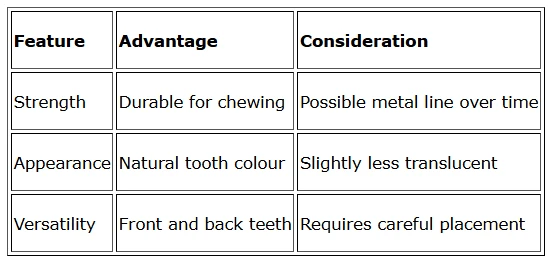
3. Porcelain Fused to Metal (PFM) Crowns
PFM crowns combine strength and aesthetics by fusing porcelain to a metal base. This makes them durable enough for back teeth while still offering a tooth coloured surface.
4. Zirconia Crowns
Zirconia crowns are known for exceptional strength and modern aesthetics. They are highly resistant to chipping and suitable for patients with heavy bite forces.
Why zirconia stands out:
- Superior durability
- Excellent aesthetics
- Long lifespan
5. Metal Crowns
Metal crowns, often made from gold or alloys, are extremely durable. While not typically chosen for visible teeth, they are ideal for molars where strength is the priority.
How Dental Crowns Enhance Smile Appearance
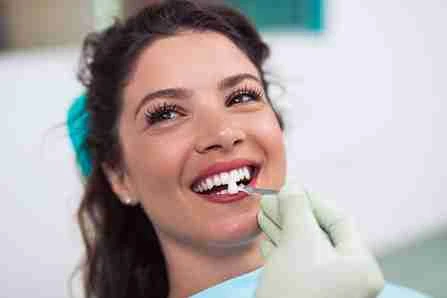
Dental crowns can dramatically improve how a smile looks. They are colour matched to surrounding teeth, correcting stains that whitening cannot fix. Crowns also restore proper tooth shape and size, creating a balanced and symmetrical appearance.
They can:
- Mask severe discolouration
- Correct irregular or uneven teeth
- Close small gaps
- Improve overall facial harmony
For patients unhappy with long standing cosmetic issues, crowns provide an immediate and noticeable transformation.
Functional Benefits Beyond Aesthetics
While appearance is important, crowns also play a critical functional role. They restore proper chewing ability, allowing you to eat comfortably without pain or restriction. By reinforcing weakened teeth, crowns prevent further damage and reduce the risk of fractures.
Additional functional benefits include:
- Improved speech clarity
- Stabilised bite alignment
- Protection against further decay
Patients undergoing advanced treatments, including Dental Implant Bristol, rely on crowns to complete their restorations and maintain long term oral health.
The Dental Crown Procedure: Step by Step
Getting a dental crown is a structured process designed for comfort and precision.
- Consultation and assessment – The dentist evaluates tooth condition and discusses material options.
- Tooth preparation – The tooth is shaped to allow space for the crown.
- Impressions or digital scans – Used to create a perfectly fitting crown.
- Temporary crown – Protects the tooth while the final crown is made.
- Final placement – The permanent crown is fitted, adjusted, and cemented.
Modern technology ensures accuracy, comfort, and natural looking results.
Longevity and Care of Dental Crowns
With proper care, dental crowns can last many years. Lifespan depends on material choice, oral hygiene, and lifestyle habits.
Care tips include:
- Brushing twice daily with fluoride toothpaste
- Flossing carefully around the crown
- Avoiding excessive force or biting hard objects
- Wearing a night guard if you grind your teeth
Regular dental check ups help identify issues early and protect your investment.
Choosing the Right Crown for Your Needs
Selecting the right crown involves considering several factors:
- Location of the tooth
- Aesthetic expectations
- Bite strength
- Budget and longevity goals
Professional guidance is essential. Dentists offering tooth crown Bristol services assess each case individually to recommend the most suitable solution for both function and appearance.
Conclusion
Dental crowns have the power to completely transform a smile by restoring strength, improving appearance, and enhancing confidence. With a wide range of materials available, modern crowns are both durable and natural looking, making them suitable for nearly every dental need. When chosen carefully and maintained properly, they offer long lasting results that support overall oral health and everyday comfort.For patients seeking expert restorative care and personalised treatment solutions, Smilo Dental Implant Bristol is dedicated to delivering high quality outcomes that help patients smile with confidence for years to come