
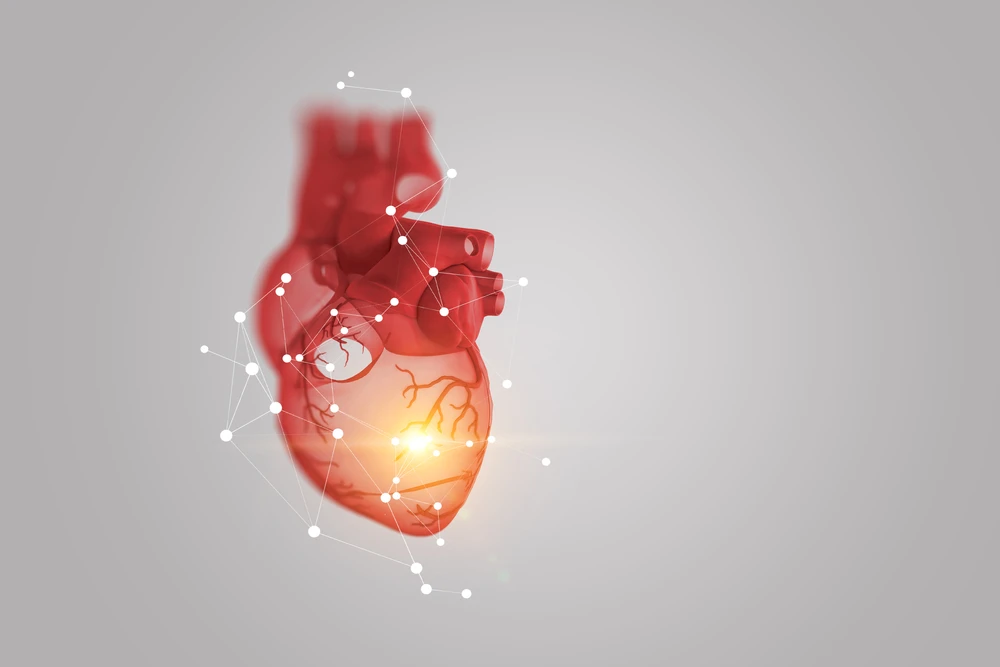
Hypokinesis is a medical term used to describe reduced movement or decreased physical activity in the body, and this condition often correlates with various chronic health issues. However, among the most prevalent causes of hypokinesis are high blood pressure (hypertension) and diabetes. These two health conditions affect our general well-being and contribute significantly to limited physical activity, further complicating outcomes.
In this blog, we will explore how diabetes and high blood pressure contribute to improving your health and how essential is managing hypokinesis with lifestyle changes.
What is Hypokinesis?
Hypokinesis refers to the reduction or lack of movement in the body, often linked to the cardiovascular and muscular systems. It can be both a result of and a contributing factor to various health problems. In essence, hypokinesis leads to limited physical activity and reduced exercise tolerance, which can lead to further complications in a person’s health. When hypokinesis is diagnosed it signals a potential decrease in oxygen-rich blood throughout the body. Moreover, understanding hypokinesis helps in recognizing early warning signs and pursuing timely medical advice. Such as conditions like fatigue, shortness of breath, and other symptoms, especially during physical activities.
The Link Between Diabetes and Hypokinesis
Diabetes is a metabolic disorder characterized by elevated blood glucose levels, which can damage blood vessels, nerves, and various organs over time. When diabetes is poorly managed, it directly impacts the body’s ability to move and function effectively. Here’s how diabetes contributes to hypokinesis:
Nerve Damage (Neuropathy)
One of the most common complications of diabetes is diabetic neuropathy, a condition where high blood sugar levels damage the nerves. This damage can affect the legs, feet, and hands, leading to pain, numbness, tingling, or weakness. This often causes individuals to reduce their physical activity to avoid discomfort, leading to a sedentary lifestyle and hypokinesis.
Joint and Muscular Problems
Diabetes can also affect the joints and muscles by increasing the risk of developing conditions like arthritis or frozen shoulder. These conditions can result in stiffness, pain, and reduced range of motion, limiting a person’s ability to move freely and engage in physical activities.
Poor Circulation
High blood sugar levels can damage blood vessels, resulting in poor circulation. This makes it harder for the body to deliver oxygen and nutrients to the muscles and organs, leading to fatigue, weakness, and a lack of energy to exercise. As a result, individuals may avoid physical activity, contributing to hypokinesis.
Fatigue and Low Energy Levels
Chronic fatigue is another common issue for those with diabetes. Elevated blood sugar levels can affect how energy is utilized by the body, causing feelings of tiredness and weakness. This often discourages individuals from engaging in physical activity, contributing to reduced mobility and hypokinesis.
How High Blood Pressure Contributes to Hypokinesis
Hypertension, or high blood pressure, is another major contributor to hypokinesis. Over time, high blood pressure can cause significant damage to the heart, blood vessels, and organs. This makes exercise more difficult for individuals, promoting a sedentary lifestyle. Here’s how high blood pressure contributes to reduced physical activity:
Heart Disease Risk
Hypertension increases the workload on the heart and can lead to conditions like heart failure or coronary artery disease. As the heart struggles to pump blood efficiently, individuals may experience shortness of breath, chest pain, or dizziness when engaging in physical activity. As a result, they may avoid exercise, leading to reduced physical activity and hypokinesis.
Poor Circulation and Fatigue
High blood pressure damages blood vessels, reduces their elasticity, and impairs blood flow. When circulation is compromised, muscles and organs don’t receive the oxygen and nutrients they need to function effectively, leading to fatigue and reduced stamina. This exhaustion makes physical activity seem more taxing, further contributing to hypokinesis.
Balance and Coordination Issues
Long-term high blood pressure can also affect the brain’s ability to regulate balance and coordination. This can result in dizziness, vertigo, or an increased risk of falls, making individuals more reluctant to engage in physical activity for fear of injury.
Medication Side Effects
Many individuals with high blood pressure take medications such as beta-blockers or diuretics to help control their condition. While these medications are essential for managing blood pressure, they can sometimes cause side effects like dizziness, muscle cramps, and fatigue. These side effects can further discourage physical activity, contributing to a more sedentary lifestyle and hypokinesis.
Managing Diabetes and High Blood Pressure to Prevent Hypokinesis
While diabetes and high blood pressure may contribute to hypokinesis, managing these conditions effectively can help reduce the risk and prevent further physical decline. Here are some key strategies for managing both conditions:
Regular Monitoring and Medication Adherence
Keeping blood sugar levels and blood pressure within recommended ranges is critical for preventing complications. Regular check-ups and medication management are essential in controlling both conditions.
Exercise and Physical Therapy
Regular physical activity can help improve circulation, manage blood sugar levels, and reduce blood pressure. Walking, swimming, or cycling are generally recommended for those with diabetes and high blood pressure. Physical therapy can help improve strength, flexibility, and coordination for individuals with mobility issues.
Healthy Diet
A balanced diet of whole grains, lean proteins, fruits, and vegetables can help manage diabetes and high blood pressure. Reducing sodium intake, controlling carbohydrate consumption, and maintaining a healthy weight are all essential steps in preventing hypokinesis.
Stress Management
Chronic stress can worsen both diabetes and high blood pressure. Hence incorporating stress-reduction techniques such as meditation, yoga, or mindfulness can improve overall health and help prevent the development of hypokinesis.
Regular Rest and Sleep
Ensuring proper rest and sleep is essential for managing blood pressure and maintaining energy levels. However, poor sleep can exacerbate both diabetes and high blood pressure, further limiting physical activity.
The Importance of Prevention and Staying Active
Preventing hypokinesis starts with understanding how both diabetes and high blood pressure affect your body. But it doesn’t end there. It’s about taking small, consistent steps toward better health. By keeping active, eating right, and sticking to your treatment plan, you can improve your quality of life, keep your body moving, and ultimately reduce the effects of hypokinesis. The journey to managing both diabetes and high blood pressure is a complicated one, but you do not have to suffer in silence. Seek support from your healthcare team, consider discussing this with your friends and family to boost motivation, and prioritize your health. However, with the right approach, you can break the cycle of inactivity and move towards a healthier, more active future.
Conclusion
Living with diabetes and high blood pressure doesn’t mean you have to accept a life of limited movement. By understanding how these conditions contribute to hypokinesis and taking proactive steps to manage them, you can regain control over your body and enjoy a more active, fulfilling life. Thus, individuals can take proactive steps with the help of Koch Clinical Research in Illinois to mitigate their condition by examining how chronic health issues impact mobility and physical activity. Because early intervention, lifestyle changes, and proper medical management are crucial in reducing the risks of hypokinesis, helping individuals lead more active, healthier lives.