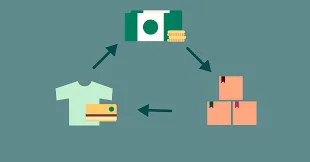
Many business owners reach a point where merchant cash advance deductions start affecting every part of their cash flow. It can feel like money is leaving the account before it even has a chance to settle. This is where Stop daily MCA payments becomes a real goal for struggling businesses. Debt restructuring is one of the most practical ways to deal with this situation because it changes how repayments are structured, making them more manageable and less disruptive to daily operations.
What Debt Restructuring Really Means in MCA Situations
Debt restructuring in the context of merchant cash advances means changing the repayment terms of existing obligations so the business can handle them more easily. MCA agreements are usually based on daily or weekly withdrawals, which can put constant pressure on cash flow.
When restructuring happens, the goal is to replace those frequent deductions with a more stable repayment system. This might include lowering payment frequency, extending repayment time, or combining multiple advances into one structured plan.
The main idea is not to erase debt but to adjust it in a way that allows the business to function normally again. Instead of money leaving the account every day, payments become more predictable and aligned with real revenue cycles.
Why Daily MCA Payments Become a Serious Problem
Daily MCA payments may seem manageable at first, but over time they create constant pressure. Even on slow business days, the same amount is deducted. This creates imbalance because income does not always stay consistent.
For many businesses, Stop daily MCA payments this leads to a situation where operating expenses become difficult to manage. Rent, payroll, inventory, and utilities all compete with MCA deductions. When money is already tight, even small withdrawals can create stress.
Another issue is that daily payments reduce flexibility. Businesses lose the ability to plan ahead because cash is constantly moving out of the account.
How Debt Restructuring Changes Payment Structure
Debt restructuring directly addresses the issue of frequent withdrawals. Instead of daily deductions, the repayment schedule is modified.
In many cases, payments are switched to weekly or monthly terms. This gives businesses more time to collect revenue before payments are made.
Sometimes restructuring also involves reducing the total repayment burden by extending the timeline. This lowers the amount taken at one time, making cash flow easier to manage.
The goal is simple: reduce pressure while keeping the business operational.
Step 1: Reviewing MCA Agreements and Financial Position
The first step in restructuring is understanding the full financial situation. This includes reviewing all MCA contracts, repayment terms, and outstanding balances.
Many business owners only focus on one MCA at a time, but multiple agreements can exist. Each one may have different terms and withdrawal schedules.
At this stage, the business also reviews income patterns. This helps determine how much can realistically be paid without harming operations.
Step 2: Identifying Cash Flow Pressure Points
Once financial data is clear, the next step is identifying where pressure is coming from. In most cases, it is not just one MCA but a combination of several obligations.
Some payments may be higher than others, while some may be more frequent. Daily deductions usually create the most strain because they reduce available working capital continuously.
Understanding these pressure points helps create a focused restructuring plan.
Step 3: Creating a Restructuring Plan
A restructuring plan is built based on cash flow and debt obligations. This plan outlines how payments will be adjusted to reduce pressure.
It may include spreading payments over a longer period, combining multiple MCAs, or reducing payment frequency. The goal is to create a system that fits the real financial situation of the business.
This step is important because without a clear plan, negotiations with lenders become difficult.
Step 4: Negotiating With MCA Lenders
Once the plan is ready, the next step is negotiation. Lenders are contacted to discuss new repayment terms.
In many cases, lenders are willing to adjust terms if they believe the business can continue operating and repaying the debt. They may agree to lower daily deductions or change repayment schedules.
Clear communication is important during this stage. The business must explain why current payments are not sustainable and how restructuring will help maintain repayment.
Step 5: Consolidating Multiple MCA Payments
If a business has more than one MCA, consolidation can be helpful. This means combining multiple payments into a single structured repayment.
Instead of dealing with several daily deductions, the business makes one payment according to the new agreement.
This simplifies financial management and reduces confusion. It also helps improve visibility of cash flow.
Step 6: Switching from Daily to Monthly Payments
One of the most effective outcomes of restructuring is moving away from daily payments. Monthly payments give businesses more control over cash flow.
Instead of constant withdrawals, money stays in the account longer. This allows better planning for expenses and operations.
Even weekly payments can make a significant difference compared to daily deductions.
Step 7: Improving Cash Flow Management
After restructuring, cash flow management becomes very important. Businesses need to track income and expenses carefully.
This includes monitoring sales trends and adjusting spending habits. Without proper management, even restructured payments can become difficult over time.
Simple budgeting practices can help maintain stability.
Step 8: Reducing Unnecessary Business Expenses
Another way to support restructuring is by cutting unnecessary costs. Many businesses have expenses that do not directly contribute to revenue.
These may include unused services, inefficient processes, or extra overhead costs. Reducing these expenses creates more room for MCA repayment.
Even small savings can improve financial flexibility.
Step 9: Stabilizing Revenue Streams
Debt restructuring works best when combined with stable revenue. Businesses need consistent income to support new payment terms.
This may involve improving sales strategies, focusing on high-demand products, or adjusting pricing models.
The more stable the income, the easier it becomes to manage restructured payments.
Step 10: Avoiding New MCA Advances
One of the most important steps is avoiding new MCA funding during restructuring. Taking additional advances can undo progress quickly.
Many businesses fall back into the same cycle by using new MCAs to cover old ones. This increases debt pressure instead of reducing it.
Breaking this pattern is necessary for long-term improvement.
Step 11: Monitoring Progress After Restructuring
Once restructuring is in place, businesses need to monitor progress regularly. This includes checking cash flow, tracking payments, and reviewing financial stability.
Monitoring helps identify issues early. If cash flow starts tightening again, adjustments can be made before the situation worsens.
Consistency is key during this phase.
Step 12: Long-Term Financial Planning
Debt restructuring is not just about solving immediate problems. It also gives businesses a chance to rebuild financial habits.
Long-term planning includes setting budgets, building savings, and preparing for slow business periods.
This helps reduce dependency on high-risk funding in the future.
Step 13: Role of Professional Assistance in Restructuring
Many businesses seek professional help during restructuring. Experts understand MCA contracts and negotiation strategies.
They can communicate with lenders more effectively and often secure better terms. This reduces stress for business owners.
However, owners should still stay involved and understand all decisions being made.
Step 14: Psychological Relief After Restructuring
One often overlooked benefit is mental relief. Daily MCA payments create constant stress because money is always leaving the account.
Once restructuring reduces or removes daily withdrawals, business owners often feel more in control.
This mental clarity helps them focus on running and improving their business.
FAQs
What is debt restructuring in MCA cases?
It is the process of changing repayment terms of merchant cash advances to make payments more manageable.
Can debt restructuring stop daily MCA payments?
Yes, in many cases it changes daily payments into weekly or monthly schedules.
Does restructuring reduce the total debt?
Not always. It mainly adjusts payment structure rather than removing debt.
How long does the process take?
It depends on the complexity of MCA agreements and lender negotiations.
Will my business credit be affected?
It may vary depending on lender reporting and restructuring terms.
Do I need professional help for restructuring?
It is not required, but professional support can improve negotiation outcomes.
Conclusion
Debt restructuring is one of the most effective ways to reduce pressure from merchant cash advances and stop daily MCA payments from controlling business cash flow. By adjusting repayment terms, combining debts, and improving financial management, businesses can regain stability. The process is not instant, but it creates a more realistic repayment structure that matches actual revenue. With careful planning and consistent financial discipline, businesses can move away from daily financial stress and focus more on growth and long-term stability.