
Cycling long distances test cyclists to their limits mentally as well as physically. When you're preparing to compete in endurance races, going the steepest climbs or simply cruising along the roads the body is subject to a lot of strain during these long periods. Recovery is equally important as your ride as a whole, making sure you remain fit, stay healthy, and increase your the performance.
In this article we'll look at the most efficient bike cycle recovery techniques that will enable cyclists to recover faster. In addition, we'll discuss the significance of recovering to avoid injuries, such as the typical "tennis leg"--and the reasons why having a well-planned recovery strategy is crucial for all cyclists.

Why Recovery Matters After a Long Ride
The impact of cycling may be less to running, however long days in the saddle stress your joints, muscles as well as your heart. In the absence of proper recovery
- Fatigue in muscles can last for a long time, which reduces the performance of your next ride.
- Risk of injury rises - especially due to overuse or weak strength and support for muscles.
- Burnout from mental stress can creep in, which makes you less eager to work out.
The sport of cycling doesn't only tax your legs, it also challenges the whole body. From your core up to your calves, each muscle is working to stabilize to propel, withstand, and endure. Regeneration helps to repair the muscles, replenish glycogen levels, decrease inflammation and prepare your body to take on the next challenge.
Step 1: Prioritize Post-Ride Nutrition
Nutrition plays an important role for recovery from a bike ride. Following long riding the glycogen stores in your body are depleted, and muscles require protein for repairing.
- Carbohydrates: replenish glycogen storage with whole grains, fruit, and other vegetables. Try to eat fast-absorbing carbs (like rice cakes or bananas) within a few hours after your workout.
- Protein helps repair muscle. Use lean proteins, such as eggs, chicken, or sources of plant origin such as lentils and beans.
- Electrolytes: Rehydrate yourself with liquids that contain potassium, sodium, and magnesium, to replenish your sweat loss.
- Time: Try to eat in the 30-60 minute period following your workout.
An ideal post-ride dinner could consist of grilled salmon, cooked vegetables and quinoa or even a fruit smoothie made of Greek yogurt, fruits, and a few sprigs of spinach.
Step 2: Rehydrate Thoroughly
Hydration goes beyond drinking water. It's about getting back in equilibrium. After a long day of sweating drinking water, it's not enough. Consider:
- Water for baseline hydration.
- Electrolyte drinks that replenish potassium and sodium.
- Coconut water is a great natural alternative to electrolytes.
Check the color of your urine to determine the amount of water you're drinking; a pale yellow color indicates you're well hydrated.
Step 3: Stretch and Mobilize
The long hours spent in a cycle posture can cause muscles to become tighter, especially the calves, hamstrings as well as hip flexors. A gentle stretch can improve flexibility and circulation. It also reduces stiffness.
- Stretch your calf against the wall to relieve tension.
- Flexor stretch of the hips to release muscles in the hips.
- Hamstring stretch by using a tension band to increase the mobility.
- Foam rolling to aid IT band, quads, and calves for increased circulation of blood.
They can help decrease the risk of injuries, like tennis leg. This tends to be a result of the overuse of the calf muscles or sudden strain.
Step 4: Use Active Recovery
As opposed to a total absence Active recovery speeds up the healing process. It includes activities with low intensity that improve circulation, without overworking the muscles.
- Simple cycling on a flat road or in a trainer.
- The goal is to swim for a low-impact complete body flush.
- Yoga and walking are great for soft moving.
Active recovery assists in eliminating the lactic acid in your body, keeping your muscles flexible and decreasing the soreness that occurs after a ride.
Step 5: Consider Recovery Tools
Modern tools for recovery give cyclists an advantage when it is time to bounce back
- Compression boots improve circulation, decrease swelling and accelerate the healing process.
- Ice or cold baths reduce inflammation and soreness.
- Sauna sessions can increase the flow of blood, relax muscles, and increase recuperation time.
- The red light therapy boosts the repair of cells and decreases muscular fatigue.
They are extensively utilized by athletes at recovery centers. They can also be incorporated in your routine to reap maximal advantages.
Step 6: Prioritize Sleep
Sleep is your body's most powerful recuperation instrument. In deep sleep the body releases growth hormone that is vital for the repair of muscles and for regeneration.
- Set a goal of 7-9 hours each the night.
- Set a schedule that you can stick to: go to bed and get up in the same time.
- Create a conducive environment. A quiet, dark, cool and peaceful room can improve the quality of your sleep.
In the absence of enough sleep, the most effective recovery strategies fall in the middle.
Step 7: Preventing Injuries Like Tennis Leg
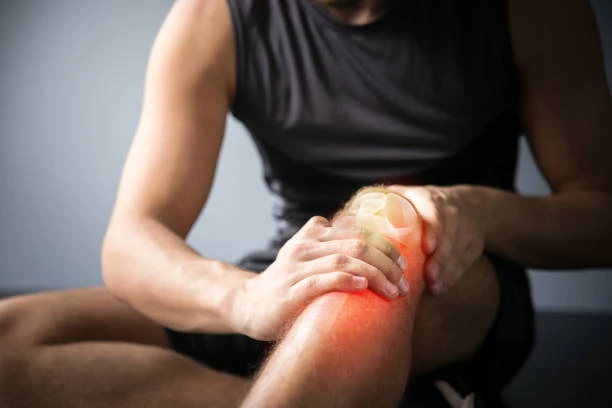
Cyclists can be injured. Another less-known and uncomfortable condition is tennis knee an injury to the calf muscle usually involving the gastrocnemius. It's a common occurrence for athletes who play racket sports however cyclists may also suffer it because of repeated stress or poor recovery.
Signs of Tennis Leg:
- Then, suddenly sharp pains in the calves.
- A swelling or bleeding.
- It is difficult to push off using the leg affected.
Prevention Tips:
- Make sure you warm up before each riding.
- Strengthen and stretch calves, muscle groups, and hamstrings.
- Train with yoga or weights for building strength.
- Soreness, tightness, or tightness should be addressed the issue early by stretch and massage.
If you experience Achilles strain, get the treatment for a tennis injury, that typically involves the rest of your body, compression therapy, and gradually returning to cycling.
Step 8: Listen to Your Body
Every ride doesn't require the same approach to recovery. Tune in to the body's signals
- A little soreness? Stretching and active recovery may suffice.
- Tiredness that is severe? Make sure you are taking time for rest and nutrient intake.
- Lingering pain? Take a look at a medical assessment to rule out injuries from overuse.
If you follow these guidelines and guidelines, you'll remain consistent with your training with no overtraining.
Final Thoughts
Long distance cycling is just equally about strength as the endurance. Recovery from a bike ride isn't simply routine. It's an approach that is backed by science to perform better and avoid injuries. The right nutrition and proper drinking water to the latest recovery equipment and sleeping, each stage plays an important part in the speed at which you recover.
Also important is knowing the potential dangers associated with injuries sustained from excessive use such as injuries to the calf. Through implementing smart recovery techniques as well as seeking out timely tennis leg injuries treatment whenever required, cyclists will be able to maintain the highest level of performance while enjoying riding for long time to come.