Foot pain is one of the most common musculoskeletal complaints among adults. Whether it stems from long hours of standing, athletic overuse, age-related changes, or underlying structural imbalances, persistent discomfort in the feet can affect the knees, hips, and even the lower back. Many people try over-the-counter insoles, new shoes, or temporary home remedies, yet the pain often returns. This is where custom orthotics step in as a clinically guided, long-term solution.
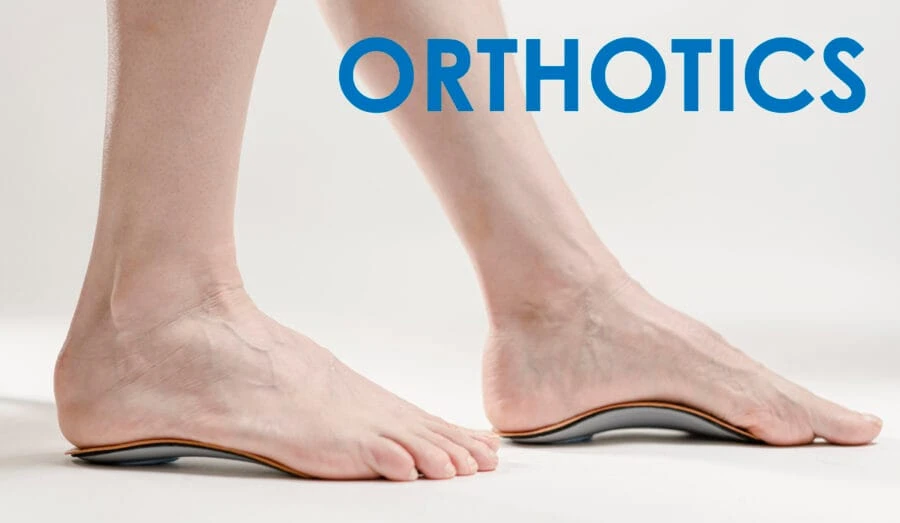
Custom orthotics are not simply cushioned inserts. They are medical-grade devices designed to correct biomechanical dysfunction, redistribute pressure, and support proper alignment of the feet and lower body. When prescribed and fitted correctly, they can significantly reduce pain and improve mobility.
Understanding Foot Pain and Biomechanics
The human foot is a complex structure composed of 26 bones, 33 joints, and over 100 muscles, tendons, and ligaments. It absorbs shock, supports body weight, and propels movement. When any part of this intricate system becomes misaligned or strained, discomfort develops.
Conditions such as plantar fasciitis, flat feet, high arches, tendonitis, and heel spurs often originate from abnormal foot mechanics. Overpronation, which occurs when the foot rolls excessively inward, and supination, when it rolls outward, both alter weight distribution. Over time, these imbalances stress soft tissues and joints.
Organizations like the American Podiatric Medical Association emphasize that improper foot mechanics can contribute to chronic pain not only in the feet but also in the ankles, knees, hips, and lower back. Addressing the root cause rather than masking symptoms is critical for sustainable relief.
What Are Custom Orthotics?
Custom orthotics are prescription shoe inserts created specifically for an individual’s feet. Unlike generic insoles found in retail stores, they are fabricated after a comprehensive biomechanical assessment, which may include gait analysis, digital foot scanning, and physical examination.
A podiatrist or foot specialist evaluates arch height, pressure points, walking patterns, and alignment issues. Based on this data, orthotics are crafted using materials ranging from rigid carbon fiber to semi-flexible composites or soft accommodative layers, depending on the condition being treated.
These devices are designed to control abnormal motion, provide arch support, cushion high-impact areas, and improve overall foot function.
How Custom Orthotics Relieve Foot Pain
Custom orthotics address the underlying mechanical dysfunction responsible for discomfort. By correcting alignment and supporting natural movement patterns, they reduce strain on overworked tissues.
One of the primary mechanisms of relief is pressure redistribution. Many foot pain conditions arise from excessive pressure concentrated in certain areas, such as the heel or forefoot. Orthotics help spread body weight evenly across the foot, minimizing localized stress.
Another key benefit is enhanced arch support. Individuals with fallen arches or flat feet often experience plantar fascia strain. By reinforcing the medial arch, orthotics decrease tension on the plantar fascia ligament and reduce inflammation.
Shock absorption also plays a vital role. During walking or running, the feet endure repetitive impact forces. Properly designed orthotics absorb and dissipate these forces, protecting joints and soft tissues from microtrauma.
Improved alignment further supports pain reduction. When the foot is properly aligned, the ankles, knees, and hips function more efficiently. This alignment can prevent compensatory movements that contribute to chronic discomfort.
Common Conditions Treated with Custom Orthotics
Custom orthotics are frequently prescribed for plantar fasciitis, one of the leading causes of heel pain. By stabilizing the foot and supporting the arch, orthotics reduce tension on the plantar fascia and allow the tissue to heal.
People with flat feet often struggle with fatigue and aching after prolonged standing. Orthotics provide structural support that improves endurance and reduces strain.
High arches can also lead to pain because they fail to absorb shock effectively. In these cases, orthotics offer cushioning and redistribute pressure away from vulnerable areas.
Athletes with repetitive stress injuries, such as shin splints or Achilles tendonitis, often benefit from improved biomechanical efficiency. Even individuals with diabetes may use orthotics to prevent pressure sores and ulcers by reducing friction and stress points.
Clinics in major cities, including providers specializing in foot orthotics in Calgary, frequently see patients whose symptoms have persisted despite trying standard insoles. The custom approach often makes the difference because it addresses the person’s unique foot structure rather than applying a generic solution.
Custom Orthotics vs. Over-the-Counter Insoles
It is common for patients to ask whether custom orthotics are truly necessary. While over-the-counter inserts can provide temporary cushioning, they lack individualized support.
Store-bought insoles are mass-produced and designed to fit a wide range of foot types. They do not correct specific alignment problems or address complex gait abnormalities. For mild discomfort, they may offer short-term relief, but chronic or structural issues typically require a more tailored intervention.
Custom orthotics, on the other hand, are medical devices. They are engineered based on diagnostic findings and intended to treat specific conditions. This precision significantly improves long-term outcomes.
The Role of Gait Analysis in Effective Treatment
Modern orthotic therapy often involves detailed gait analysis. Advanced technologies assess how the foot strikes the ground, how weight transfers across the foot, and how the ankle and knee move during walking or running.
This data-driven approach ensures that orthotics are not only supportive but also corrective. Subtle changes in angle or contour can dramatically influence biomechanical performance. When alignment improves, muscle fatigue decreases, and inflammation subsides.
Many practitioners follow clinical guidelines informed by global health authorities such as the World Health Organization, which emphasize mobility and musculoskeletal health as key components of overall well-being. By restoring proper foot mechanics, orthotics contribute to improved quality of life.
Long-Term Benefits Beyond Pain Relief
While immediate pain reduction is often the primary goal, the long-term advantages of custom orthotics extend further. Consistent use can prevent the progression of certain structural deformities and reduce the risk of recurring injuries.
Better alignment leads to improved posture. When the feet function correctly, the entire kinetic chain operates more efficiently. This can alleviate stress on the knees and lower back, particularly for individuals who stand for extended periods at work.
Custom orthotics also support active lifestyles. Runners, hikers, and fitness enthusiasts frequently rely on them to maintain performance and minimize injury risk. Over time, improved biomechanics can enhance endurance and reduce recovery time after activity.
Who Should Consider Custom Orthotics?
Anyone experiencing persistent foot pain lasting more than a few weeks should consider professional evaluation. Pain that worsens with activity, recurring heel discomfort, or instability while walking are strong indicators that biomechanical issues may be present.
Individuals with chronic conditions such as arthritis, diabetes, or previous lower limb injuries may also benefit from orthotic support. Early intervention often prevents complications and supports faster recovery.
Children and adolescents with noticeable gait abnormalities may require assessment as well. Addressing structural issues during growth can reduce long-term complications.
What to Expect During the Fitting Process
The process typically begins with a comprehensive consultation. A healthcare provider reviews medical history, evaluates symptoms, and conducts a physical examination. Digital imaging or casting captures the exact shape and contours of the feet.
Once fabricated, the orthotics are fitted and adjusted to ensure comfort and effectiveness. A gradual break-in period allows the body to adapt to improved alignment. Follow-up appointments ensure optimal function and address any concerns.
It is important to understand that orthotics are not a one-time solution. Periodic reassessment ensures that they continue to meet the patient’s evolving needs, particularly if lifestyle or activity levels change.
Are Custom Orthotics Worth It?
From a long-term perspective, custom orthotics are an investment in musculoskeletal health. Chronic foot pain can limit mobility, productivity, and overall quality of life. By correcting the underlying cause rather than masking symptoms, orthotics provide sustainable relief.
Patients often report significant improvement within weeks of consistent use. Reduced pain leads to increased physical activity, better posture, and enhanced daily comfort. For many, the ability to walk, stand, or exercise without persistent discomfort is transformative.
Final Thoughts on Custom Orthotics and Foot Pain Relief
Foot pain should never be dismissed as a minor inconvenience. Because the feet form the foundation of the body, dysfunction in this area can trigger widespread discomfort. Custom orthotics offer a personalized, clinically grounded solution that addresses the root cause of many common foot conditions.
Through precise alignment correction, pressure redistribution, and biomechanical support, these devices help restore natural movement patterns and reduce chronic strain. When prescribed by a qualified professional and used consistently, custom orthotics can significantly improve foot pain relief and overall mobility, empowering individuals to move confidently and comfortably every day.