
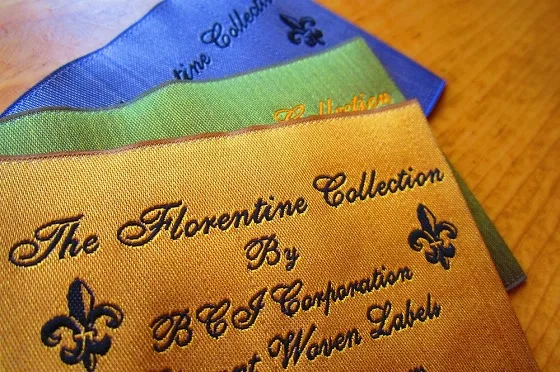
Understanding Fabric Labels in Modern Apparel
In today’s fashion and textile industry, labels are more than simple tags attached to garments. They help identify products, communicate care instructions, and contribute to the overall presentation of clothing items. As global apparel production continues to expand, businesses are paying greater attention to quality labeling solutions that support branding and organization. One category gaining attention is Wholesale Fabric Labels Printed, which has become increasingly important for manufacturers, designers, and small clothing startups alike.
Labels play a practical role in nearly every textile product. Whether attached to casual wear, uniforms, luxury garments, or handmade fashion pieces, they help customers identify sizing, washing methods, and fabric details. At the same time, labels can influence how consumers perceive a product’s quality and professionalism.
The Importance of Fabric Labels in Clothing
Fabric labels serve several purposes within the apparel industry. While many shoppers may overlook them initially, they provide essential information that improves the customer experience. Clothing labels commonly include brand names, material compositions, care symbols, and country-of-origin details.
For apparel manufacturers, labels also help maintain consistency across collections. Organized labeling systems support inventory management, product identification, and retail presentation. In competitive markets, even small design elements like labels can contribute to customer trust.
The use of quality labels has become increasingly relevant as consumers pay closer attention to product authenticity and garment care. Proper labeling reduces confusion and helps garments maintain their appearance for longer periods through correct washing and handling.
Evolution of Label Manufacturing
The clothing industry has witnessed major changes in labeling technology over the years. Traditional handwritten or manually stitched labels have gradually been replaced by advanced production methods that improve efficiency and consistency.
Printed fabric labels became popular because they allow businesses to produce detailed text, logos, and instructions in a cost-effective manner. Modern printing methods support clearer typography, improved durability, and softer textures suitable for different garment types.
Today, manufacturers can produce labels in a wide range of materials, including satin, cotton, polyester, nylon, and blended fabrics. Each material serves different purposes depending on the garment category and intended customer experience.
As sustainability discussions continue within the fashion industry, eco-conscious labeling solutions are also gaining attention. Some manufacturers now explore recycled fabrics and environmentally friendly inks to reduce waste during production.
Applications Across Different Industries
Fabric labels are not limited to fashion alone. Multiple industries rely on garment labeling for identification and compliance purposes.
Sportswear brands use labels to display performance fabric details and washing instructions. Hospitality companies attach durable labels to uniforms and linens. Children’s clothing manufacturers often prioritize soft materials to prevent irritation on sensitive skin.
Luxury apparel companies frequently invest in premium woven and printed labels because presentation contributes significantly to brand perception. Meanwhile, independent designers and small businesses often seek flexible solutions that accommodate smaller production runs.
The rise of online fashion stores has further increased demand for professional garment labeling. Many digital-first clothing brands aim to create memorable customer experiences through packaging and product finishing details, including high-quality tags and labels.
Choosing the Right Label Material
Selecting the right material is an important decision when creating garment labels. Different fabrics provide unique textures, durability levels, and visual appearances.
Satin labels are commonly used for lingerie, sleepwear, and luxury garments because of their smooth finish. Cotton labels offer a more natural appearance and are frequently associated with eco-friendly or handmade products. Polyester options are valued for their durability and resistance to fading.
Businesses often consider several factors before selecting label materials, including comfort, washing performance, printing quality, and garment style. A sportswear manufacturer may prioritize durability, while a boutique fashion brand may focus on softness and aesthetics.
The choice between printed and woven designs also depends on production goals. Printed options can display intricate details and multiple colors efficiently, while woven versions are valued for texture and long-lasting visual quality.
The Growing Popularity of Custom Branding
Modern consumers increasingly appreciate personalization and brand identity. This trend has encouraged many apparel businesses to invest in unique labeling strategies that help distinguish products in crowded markets.
One area receiving attention is the use of Custom Woven Clothing Labels, which are often selected for premium apparel lines and designer collections. These labels help create a refined appearance while supporting long-term durability.
Brand-focused labels allow businesses to establish stronger visual recognition. A carefully designed label can reinforce a company’s style, values, and overall presentation without relying on excessive promotional messaging.
Small clothing startups also benefit from custom labels because they create a more professional image. Even independent designers selling through online marketplaces recognize the value of polished garment finishing details.
Printing Techniques Used in Label Production
Several printing methods are commonly used in modern label manufacturing. Each technique offers different advantages depending on the project requirements.
Screen printing remains popular for bold colors and simple graphics. Thermal transfer printing allows detailed text and barcodes, making it useful for inventory and product tracking. Digital printing technologies support faster customization and shorter production runs.
Advancements in printing technology have improved color consistency and wash durability. Many printed labels today are designed to remain readable after repeated laundering, which is essential for maintaining product quality standards.
Manufacturers also focus on soft-touch printing techniques to improve wearer comfort. This is especially important for activewear, children’s clothing, and garments worn for extended periods.
Sustainability and Ethical Considerations
Environmental awareness has become an important topic within the textile industry. Consumers increasingly expect brands to adopt responsible manufacturing practices, including sustainable packaging and labeling solutions.
Some label producers now use recycled yarns, organic cotton materials, and water-based inks to reduce environmental impact. Eco-friendly production methods can help businesses align with broader sustainability goals while meeting changing customer expectations.
Reducing waste during production is another growing priority. Efficient printing technologies help minimize excess materials and improve overall resource management.
Ethical sourcing also plays a role in modern label manufacturing. Many apparel businesses now seek suppliers that follow fair labor practices and environmentally responsible production standards.
Challenges in the Labeling Industry
Despite technological improvements, the labeling industry still faces several challenges. One common issue involves balancing cost, durability, and design quality.
Low-quality labels may fade, fray, or become uncomfortable after repeated use. On the other hand, premium materials and advanced printing methods can increase production costs, particularly for small businesses with limited budgets.
Another challenge involves maintaining consistent quality across large production volumes. International apparel manufacturing often requires coordination between multiple suppliers, making quality control essential.
Regulatory requirements also vary between countries. Clothing labels may need to include specific information related to fabric composition, care instructions, or manufacturing origin depending on local laws.
Future Trends in Fabric Labeling
The future of garment labeling will likely continue evolving alongside fashion technology and consumer preferences. Digital integration may become more common, with QR codes and smart labels providing additional product information through mobile devices.
Minimalist design trends are also influencing label aesthetics. Many brands now prefer clean, subtle labels that complement modern clothing styles without overwhelming the garment design.
Personalized production is expected to grow further as small businesses and independent creators seek flexible manufacturing solutions. Short-run printing capabilities and digital customization tools are making it easier for emerging brands to develop unique apparel collections.
At the same time, sustainability will remain a major focus. Eco-conscious consumers are encouraging the industry to explore biodegradable materials, recyclable packaging, and reduced-energy production methods.
Fabric labels continue to play an important role in the apparel and textile industry. Beyond their practical functions, they contribute to branding, customer experience, and product presentation. As fashion markets evolve, businesses increasingly recognize the value of durable, informative, and visually appealing labeling solutions.
The demand for Wholesale Fabric Labels Printed is expected to remain strong as clothing brands, manufacturers, and independent designers seek reliable ways to improve garment identity and organization. From premium fashion collections to everyday apparel, well-designed labels support both functionality and visual appeal in modern clothing production.