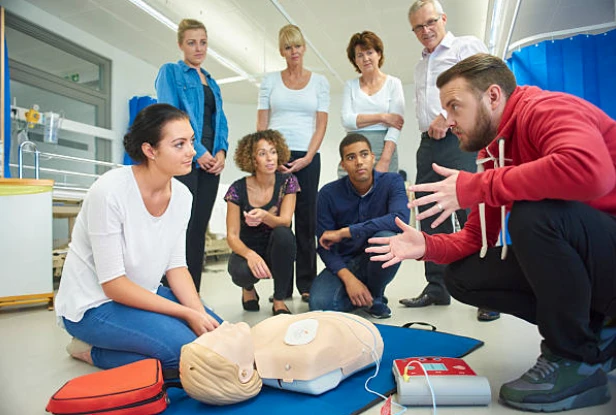
In an era marked by rising cardiovascular concerns, the discourse surrounding heart disease prevention has evolved beyond traditional lifestyle recommendations. While diet, exercise, and medical screenings remain foundational, there is a growing recognition of the broader societal role in mitigating cardiac emergencies. Cardiopulmonary resuscitation (CPR) training, often perceived as a reactive measure, is increasingly being acknowledged as a proactive instrument in the fight against heart disease. Programs such as AHA BLS CPR Certification and community initiatives like CPR Allentown exemplify how education and preparedness can significantly influence outcomes and reshape public health narratives.
Understanding the Scope of Heart Disease in Modern Society
Heart disease continues to stand as one of the leading causes of mortality worldwide. Sedentary lifestyles, poor dietary habits, and chronic stress contribute to the escalating prevalence of cardiovascular conditions. Despite advancements in medical technology and treatment protocols, the burden on healthcare systems remains substantial.
What is often overlooked, however, is the critical window between the onset of a cardiac event and the arrival of professional medical assistance. This gap, frequently measured in minutes, can determine survival or fatality. It is within this narrow yet decisive timeframe that CPR training becomes indispensable—not merely as a lifesaving skill, but as a cornerstone of preventive health strategy.
The Preventive Dimension of CPR Training
At first glance, CPR training appears to be a response mechanism rather than a preventive one. Yet, its true value lies in fostering awareness, preparedness, and rapid intervention. Individuals who undergo AHA BLS CPR Certification are not only equipped with technical skills but also gain a heightened understanding of cardiovascular health, risk factors, and early warning signs.
This knowledge often translates into behavioral changes. Participants become more conscious of their own health metrics, encouraging regular exercise, improved nutrition, and routine medical checkups. In this sense, CPR training acts as an educational catalyst, prompting individuals to adopt healthier lifestyles that directly reduce the risk of heart disease.
Moreover, widespread training initiatives like CPR Allentown cultivate a culture of vigilance within communities. When more individuals are trained, the likelihood of immediate assistance during cardiac emergencies increases, thereby improving survival rates and reducing long-term complications associated with delayed intervention.
Bridging the Gap Between Emergency Response and Public Health
The integration of CPR training into public health frameworks represents a strategic shift toward community empowerment. Governments, healthcare institutions, and private organizations are increasingly investing in certification programs to enhance societal resilience.
AHA BLS CPR Certification, for instance, is designed not only for healthcare professionals but also for laypersons who wish to contribute meaningfully to their communities. The curriculum emphasizes high-quality chest compressions, effective ventilation techniques, and the use of automated external defibrillators (AEDs). By standardizing these skills, the program ensures consistency and reliability in emergency response.
In parallel, localized efforts such as CPR Allentown demonstrate the impact of grassroots initiatives. By making training accessible and affordable, these programs remove barriers to participation and encourage widespread adoption. The result is a network of informed individuals capable of acting decisively in critical moments.
Enhancing Survival Rates Through Early Intervention
One of the most compelling arguments for CPR training lies in its direct correlation with survival outcomes. Studies consistently show that immediate CPR can double or even triple the chances of survival following cardiac arrest. This statistic underscores the importance of equipping as many individuals as possible with the necessary skills.
When a cardiac event occurs, every second counts. Brain damage can begin within four to six minutes of oxygen deprivation. In many cases, emergency medical services may not arrive within this critical window. Trained individuals, therefore, serve as the first line of defense, stabilizing the patient until professional care becomes available.
Programs offering AHA BLS CPR Certification emphasize the importance of speed and precision. Participants are trained to recognize cardiac arrest symptoms promptly and initiate CPR without hesitation. This confidence, built through rigorous practice, is essential in real-world scenarios where panic and uncertainty can hinder effective action.
The Role of Education in Long-Term Health Outcomes
Beyond immediate emergency response, CPR training contributes to long-term health outcomes by promoting a culture of continuous learning. Participants often become advocates for cardiovascular health, sharing their knowledge with family members, colleagues, and broader social networks.
This ripple effect amplifies the impact of training programs. As awareness spreads, more individuals become attuned to the importance of early detection and prevention. Community workshops, school programs, and workplace training sessions further reinforce these messages, creating a comprehensive approach to heart disease prevention.
Initiatives like CPR Allentown play a pivotal role in this educational ecosystem. By organizing regular training sessions and outreach campaigns, they ensure that knowledge remains current and accessible. This sustained engagement is crucial for maintaining public interest and participation.
Corporate Responsibility and Workforce Preparedness
In the corporate sphere, CPR training is increasingly being recognized as a component of employee wellness programs. Organizations understand that a well-prepared workforce not only enhances safety but also reflects a commitment to social responsibility.
Offering AHA BLS CPR Certification to employees equips them with valuable skills that extend beyond the workplace. It fosters a sense of empowerment and collective responsibility, encouraging individuals to look out for one another. In high-risk environments, such training can be particularly beneficial, reducing response times and improving outcomes during emergencies.
Furthermore, businesses that collaborate with community initiatives like CPR Allentown contribute to a broader societal impact. By supporting local programs, they help expand the reach of training efforts and reinforce the importance of collective action in addressing public health challenges.
Technological Advancements and Accessibility
The evolution of training methodologies has made CPR education more accessible than ever before. Online modules, virtual simulations, and blended learning approaches allow individuals to acquire knowledge at their own pace while still benefiting from hands-on practice.
AHA BLS CPR Certification programs have embraced these innovations, ensuring that participants receive comprehensive and flexible training. This adaptability is particularly important in reaching diverse populations, including those in remote or underserved areas.
Similarly, organizations like CPR Allentown leverage technology to streamline registration processes, provide educational resources, and maintain engagement with participants. By integrating digital tools, they enhance the overall learning experience and encourage continuous skill development.
A Collective Responsibility for a Healthier Future
The prevention of heart disease is not solely the responsibility of healthcare professionals. It requires a concerted effort from individuals, communities, and institutions alike. CPR training, with its dual emphasis on preparedness and education, offers a unique avenue for collective action.
Programs such as AHA BLS CPR Certification and community-driven initiatives like CPR Allentown exemplify the potential of this approach. By equipping individuals with life-saving skills and fostering a culture of awareness, they contribute to a more resilient and health-conscious society.
In conclusion, CPR training transcends its traditional role as an emergency response tool. It serves as a bridge between immediate intervention and long-term prevention, empowering individuals to take an active role in combating heart disease. As participation in these programs continues to grow, so too does the potential for meaningful impact—transforming not only survival rates but also the broader landscape of public health.