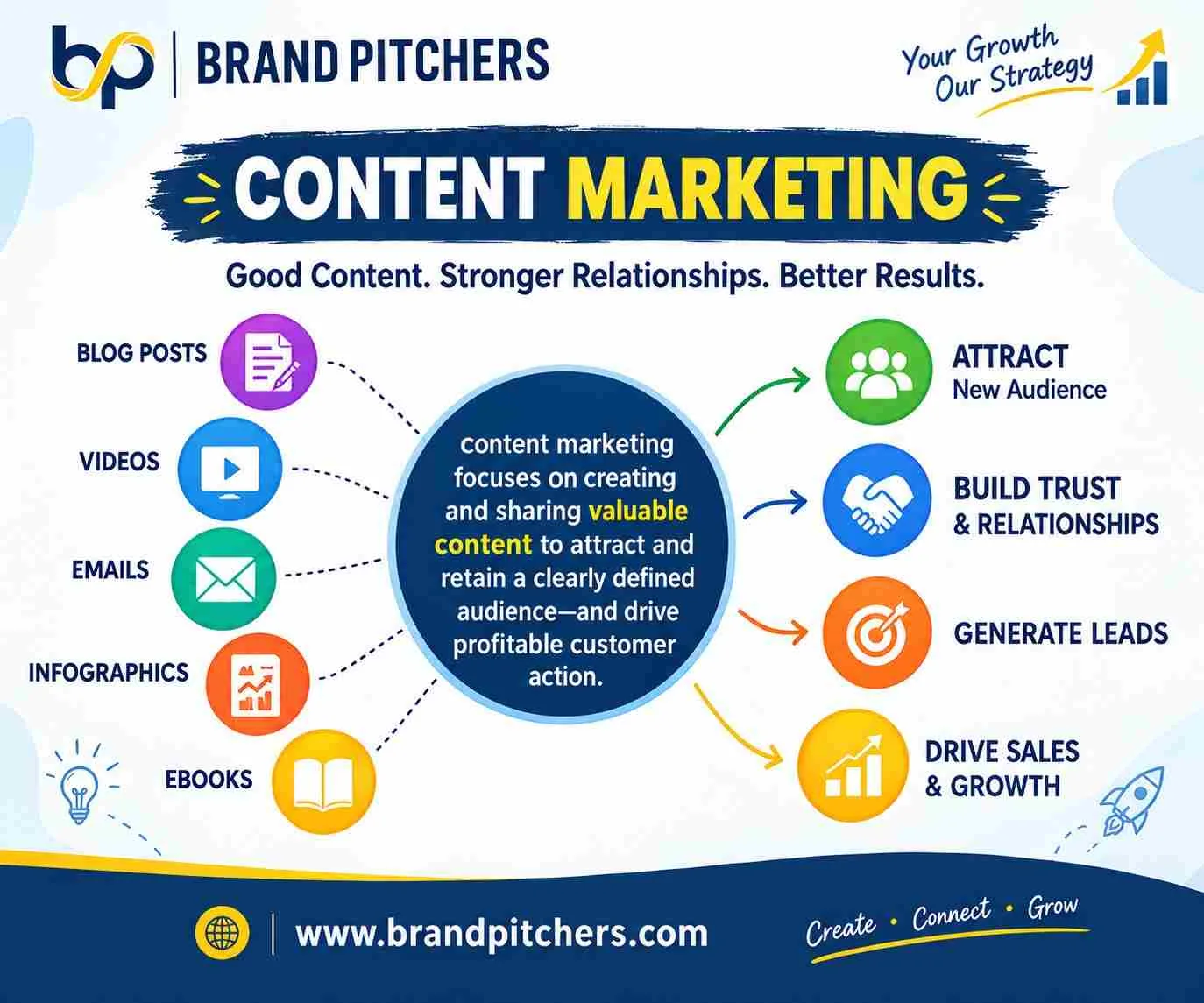

Many websites generate traffic but struggle to convert those visitors into customers. Poorly written web copy can leave potential buyers uncertain, confused, and hesitant to make informed decisions. That is where professional website copywriting services can make a significant difference.
Conversation-focused web copy captures attention and guides readers toward clear action. Strong headlines immediately highlight benefits and encourage engagement.
Over time, conversion-focused content builds credibility, strengthens trust, and turns casual visitors into loyal customers. This blog post examines how professional web copy enhances audience engagement while consistently driving measurable sales growth.
The Role of Web Copy in the Modern Sales Funnel
Website copy is the first impression many potential customers encounter online. It determines whether visitors stay or leave immediately. Every word and sentence works to build understanding and guide decision-making.
Professional webcopy shapes buying behavior by influencing perceptions and trust. Clear, concise messaging reassures readers and encourages engagement. Conversely, confusing content creates doubt and prevents conversions. Traffic alone does not translate into revenue if visitors cannot grasp your value.
Persuasive digital communication relies on psychological triggers that prompt action. Words, tone, and structure subtly affect how visitors feel about your brand. Understanding this influence enables businesses to optimize their messaging and consistently generate meaningful engagement.
Understanding Conversion-Focused Web Copy
Conversion-focused copy differs from general content because it drives action. While standard writing may inform, strategic webcopy motivates readers to take specific steps. This approach considers both psychology and marketing objectives.
Audience research is crucial for creating messages that resonate. Buyer intent dictates the tone, phrasing, and examples used. Understanding what motivates your visitors helps craft content that aligns with their needs and expectations.
Web content must also align with the customer journey. Awareness, consideration, and decision stages each require different messaging strategies. Web copywriters structure content carefully to guide readers naturally from interest to conversion.
1. Crafting Headlines That Capture Attention and Drive Clicks
Headlines are your first chance to capture attention. They must immediately convey value and relevance. Weak or generic headings often fail to engage visitors and reduce the effectiveness of your content.
Benefit-driven headlines resonate with readers and pique their curiosity. Moreover, incorporating keywords naturally enhances search visibility without harming readability.
Effective headlines require testing and refinement. A/B testing allows you to compare variations and measure engagement. Continuous optimization ensures each headline maximizes attention and drives meaningful interactions.
2. Writing Persuasive Body Content That Builds Trust
Body content is where visitors evaluate your expertise and credibility. Addressing pain points directly shows you understand their challenges. When content solves problems, readers are more likely to trust your recommendations.
Authority can be established through examples, case studies, and proof points. Demonstrating real results validates claims and builds confidence. Using storytelling techniques makes content relatable and keeps readers engaged throughout the page.
Website content writers play a critical role in shaping trust through well-crafted messaging. Each paragraph should reinforce credibility and guide visitors toward meaningful action. Effective content strengthens both engagement and brand perception.
3. Optimizing Calls-to-Action for Higher Conversions
Calls-to-action (CTAs) guide visitors to the next step. Placement is crucial because users often scroll quickly. Visibility ensures CTAs are noticed without overwhelming the overall design.
Action-oriented language motivates readers to act. Phrases like “Get Started Today” or “Claim Your Free Guide” reduce hesitation. Friction should also be minimized by simplifying forms and checkout processes.
· Test different placements and button designs for optimal results.
· Use contrasting colors to make CTAs stand out
· Experiment with phrasing to discover what resonates best
· Analyze click-through rates to refine your approach
A/B testing CTAs provides data-driven insights. Iterating based on real user behavior helps increase conversions while improving overall website performance.
4. Boosting Engagement Through Strategic Formatting
Content layout impacts readability and engagement. Short paragraphs make text less intimidating and easier to scan. Visitors are more likely to read thoroughly when sections are digestible.
Additionally, consistency in tone and voice strengthens brand identity. Web content copywriters ensure messaging aligns with your brand’s personality while maintaining clarity. This careful attention to structure and style improves the overall user experience and keeps visitors engaged longer.
5. Leveraging Emotional Triggers to Boost Conversions
Understanding what motivates your audience emotionally can dramatically improve conversion rates. People rarely make decisions purely logically. Most respond to feelings, experiences, and perceived benefits. By carefully integrating emotional triggers into your web copy, you can make your messaging more compelling and persuasive.
6. Using Storytelling to Connect with Visitors
Stories humanize your brand and create a sense of relatability. Sharing real-life examples or customer experiences helps visitors imagine themselves benefiting from your product or service. Storytelling also increases engagement, keeping readers on the page longer.
7. Highlighting Pain Points and Solutions
Identifying your audience’s challenges immediately captures attention. When you clearly demonstrate how your product solves a problem, trust and interest increase. This approach positions your brand as empathetic, knowledgeable, and solution-focused.
8. Creating Urgency and Encouraging Action
Subtle urgency encourages readers to act without feeling pressured. Limited-time offers, special promotions, or highlighting missed opportunities motivate decision-making. Combining urgency with clear benefits ensures your content converts effectively.
9. Personalization: Making Your Content Feel Relevant
Personalized webcopy makes visitors feel understood and valued. Tailoring messaging to audience segments increases engagement and drives conversions. Even small adjustments improve the overall experience.
Segmentation allows you to adjust tone, examples, and offers for each audience. For instance, new visitors may need educational content, while returning users respond better to detailed solutions. Personalization helps create a sense of relevance and builds trust quickly.
Dynamic content, such as location-based messaging or recommendations, also increases interaction. By showing visitors exactly what matters most to them, conversion likelihood improves. Personalization demonstrates attentiveness, which strengthens brand credibility.
10. Leveraging Social Proof for Stronger Credibility
People rely on others’ experiences to make decisions. Including testimonials, reviews, or case studies validates your claims and reassures potential customers. Social proof works because it reduces perceived risk and builds confidence.
Highlighting measurable results, such as “increased sales by 30%,” strengthens authority. Images, names, or company logos make testimonials feel authentic. Combining qualitative and quantitative proof convinces readers that your product or service works.
Featuring client success stories also creates an emotional connection. Visitors can visualize their own success, motivating them to act. Strategically integrating social proof across pages amplifies the impact of your web copy.
Optimizing Landing Pages for Maximum Conversions
Landing pages are designed for a single purpose, making them crucial for conversions. Every element, from headlines to images, should support the main goal. Streamlining content reduces distractions and increases focus on desired actions.
Testing variations of landing pages ensures continuous improvement. A/B testing helps determine which headlines, images, or CTAs perform best. Optimized landing pages, combined with conversion-focused content, consistently drive higher engagement and revenue.
Aligning Content Across Marketing Channels
Consistency across channels strengthens brand recognition and trust. Emails, social media, and advertisements should mirror the messaging on your website. Conflicting messages confuse visitors and reduce the effectiveness of your campaigns.
Repurposing top-performing web content into email campaigns or social posts maximizes value. Each platform may require slight adjustments in tone or format, but the core message remains the same. Cohesive messaging encourages users to engage across multiple touchpoints.
Tracking performance across channels also helps refine your strategy. You can see which messaging resonates most with different audiences and adjust accordingly. Aligned web content ensures visitors feel a seamless, connected experience everywhere.
Measuring the Impact of Conversion-Focused Content
Tracking performance is critical to understand effectiveness. Key performance indicators (KPIs) such as bounce rate, time on page, and conversion rate reveal how well content drives engagement. Data helps prioritize areas for improvement and informs readers.
Analyzing metrics identifies strengths and weaknesses in your messaging. For example, pages with high time-on-page but low conversion rates might require stronger calls-to-action (CTAs). Continuous monitoring ensures that content evolves based on user behavior.
Investing in professional website copywriting delivers measurable benefits. Expert writers optimize content for clarity, persuasion, and conversion. By analyzing results and refining content, businesses maximize engagement and sales while strengthening their online presence.
Conclusion
Your website can attract visitors. But turning them into customers requires strategy. Without clear messaging, engagement and conversions often fall short. That is why working with professional web content copywriters makes such a difference.
Website content writers can craft conversion-focused web content. Strong headlines, persuasive body copy, and clear CTAs guide visitors toward meaningful steps. Partnering with experienced web copywriters ensures consistent messaging and that your website drives measurable results.
So, you should take the next step to strengthen your online presence and engagement. A professional copywriting service will help you build credibility, trust, and long-term customer loyalty.