
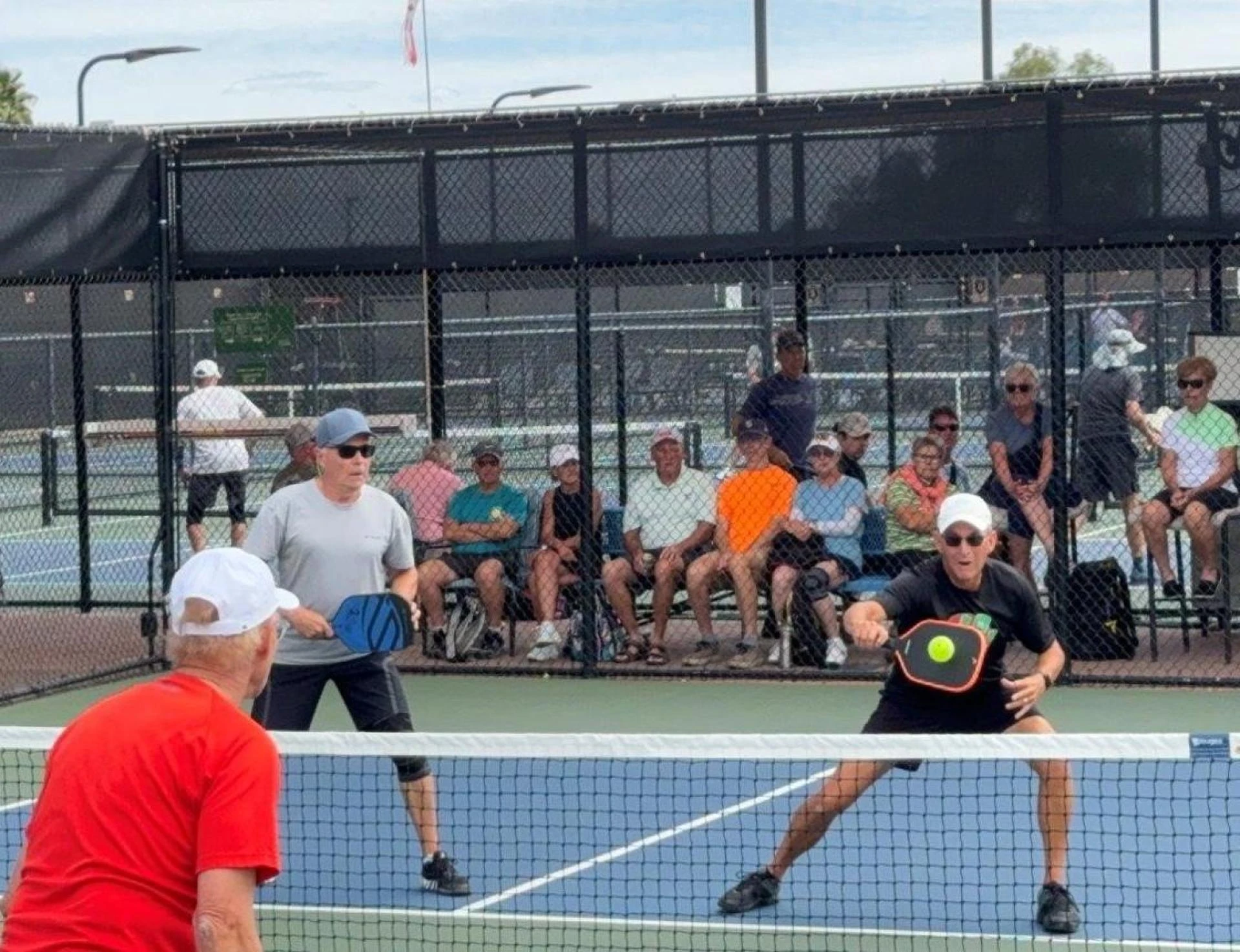
Pickleball’s growth is not just being driven by professional leagues.
It is being built at the local level.
Community pickleball events, from weekend round robins to charity tournaments, are playing a critical role in turning casual interest into long-term participation.
These events are not just about playing. They are about building ecosystems around the sport.
The Rise of Local Pickleball Communities
Across cities and neighborhoods, pickleball is becoming a community-first sport.
Local clubs, recreation centers, and informal groups are organizing:
- Weekly games and meetups
- Beginner-friendly clinics
- Small-scale tournaments
- Social play sessions
This grassroots structure makes pickleball:
- Easy to join
- Low-pressure to learn
- Highly social
That combination is driving rapid adoption.
Why Community Events Matter More Than You Think
Community events solve the biggest barrier in sports:
Getting people started.
They provide:
- A welcoming entry point for beginners
- Real-game exposure without intimidation
- Opportunities to meet players of all skill levels
Unlike structured leagues, these events are:
- Accessible
- Flexible
- Community-driven
This lowers friction and increases participation.
Social Connection Is Fueling Growth
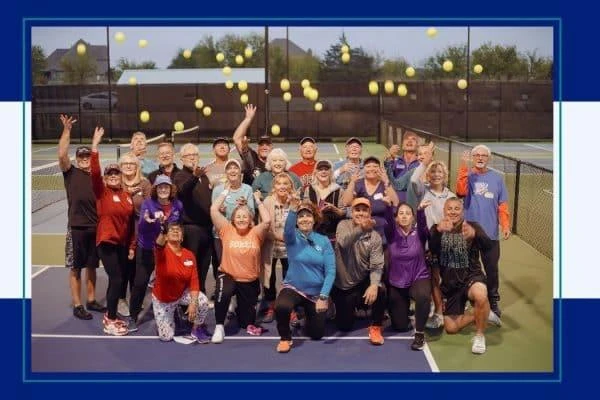
Pickleball is inherently social.
Community events amplify this by creating:
- Friendships through regular play
- Local player networks
- Group-based learning environments
For many players, the social aspect becomes the primary reason they continue playing.
This is a major differentiator compared to other sports.
Events Are Turning Casual Players Into Regulars
A single event often leads to ongoing participation.
Here’s how it works:
- A beginner attends a local event
- Gets introduced to the rules and gameplay
- Connects with other players
- Joins recurring sessions
This creates a conversion loop from:
curiosity → participation → habit
Community events are the engine behind this loop.
Local Tournaments Are Creating Competitive Pathways
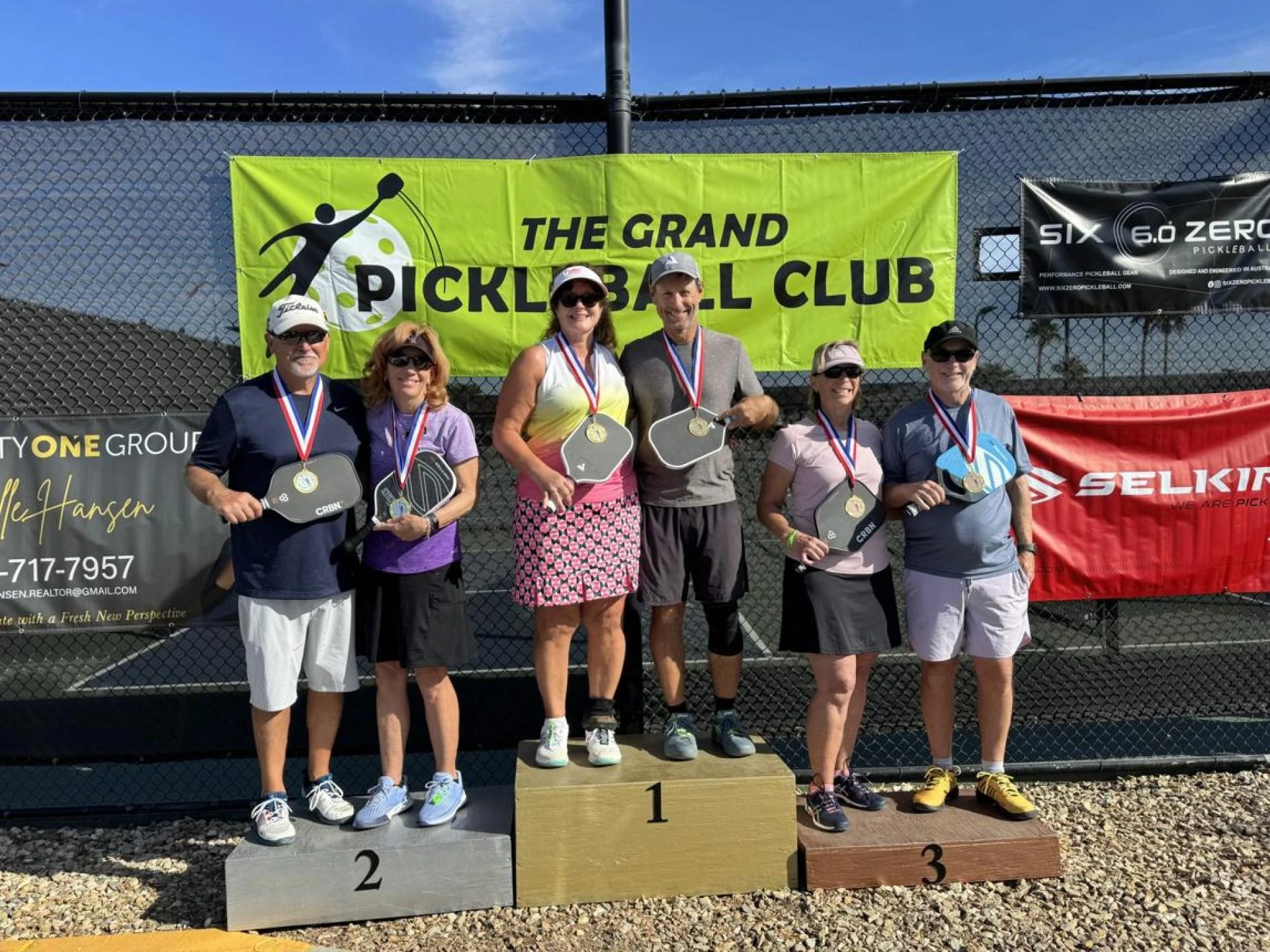
Not every player wants casual play forever.
Community tournaments introduce:
- Friendly competition
- Skill-based progression
- Recognition and achievement
This helps players:
- Improve faster
- Stay engaged longer
- Transition into higher-level play
Local competition builds the foundation for the broader competitive ecosystem.
Businesses and Brands Are Supporting Local Growth
As participation increases, local businesses are getting involved.
This includes:
- Sponsoring tournaments
- Providing equipment
- Hosting demo events
- Supporting community courts
This support:
- Improves event quality
- Expands reach
- Strengthens the local pickleball ecosystem
It also connects players with better equipment and resources.
The Role of Equipment in Community Play
Community events expose players to different types of equipment.
This influences:
- Performance expectations
- Playing style
- Buying decisions
Players quickly realize:
- Not all balls perform the same
- Durability matters over time
- Consistency improves gameplay
As players progress, they naturally start seeking higher-quality and longer-lasting gear.
Sustainability Is Becoming Part of Local Events
With more events comes more equipment usage.
This creates a new challenge: waste.
Forward-thinking communities are beginning to:
- Encourage reusable and durable equipment
- Promote recycling of used pickleballs
- Partner with eco-conscious brands
Sustainability is slowly becoming part of how events are organized and evaluated.
Challenges in Scaling Community Events
Despite growth, there are challenges:
- Limited court availability
- Overcrowding at popular locations
- Lack of structured organization in some areas
- Equipment wear and replacement costs
Addressing these will be key to sustaining long-term growth.
What This Means for the Future of Pickleball
Community events are not just about supporting growth.
They are driving it.
They create:
- New players
- Stronger local networks
- Pathways to competitive play
- Demand for better equipment
Without community-level engagement, the sport would not scale the way it is today.
Conclusion
The expansion of pickleball starts at the local level.
Community events are where players are introduced, developed, and retained.
They turn a simple game into a shared experience.
And that is what makes pickleball grow faster than most sports.