
How Cold Does It Get in Scotland in Winter? A Complete Weather and Travel Guide
Introduction: Understanding Scotland’s Winter Temperatures
Scotland is a country of beautiful mountains, historic castles, serene lochs and dramatic winter landscapes. But if you're planning to visit during the cold months, how cold does it get in Scotland in winter? Scotland's wintertime temperatures can vary across different areas and altitudes depending on the weather. In winter it can get cold in Scotland, with shorter days, cold nights, rain, frost and the odd snowfall. Cities can stay relatively mild whereas mountains can get significantly colder; Scotland, in winter, is a great destination for sightseeing and visiting the local culture.
Average Winter Temperatures Across Scotland
The average daytime temperature in Scotland in winter is around 6°C (43°F) with considerable variance across the country. Overnight temperatures often approach freezing, especially in the interior and mountainous regions. Coastal areas tend to be milder as they are warmed by the sea
Visiting Glasgow can expect to see cold, damp weather with occasional frosts and rainy days. Booking transport in advance can make sightseeing easier and Glasgow City Private Hire Taxi can assist with getting around to see the local attractions, as well as visiting restaurants, museums and more. However, it's always worth checking the local forecast as conditions can change quickly.
Which Months Are the Coldest in Scotland?
December: The Beginning of Winter
December is when winter really sets in and temperatures start to drop. Daytime temperatures are usually between the low single digits and 7°C, and it can get colder at night, especially in the interior of the country. It can also get quite cold with the odd frost occurring in the evenings.
Days are short, meaning there isn't much daylight for sightseeing, but there tends to be a festive atmosphere in the cities and towns with Christmas markets and decorations going up. You'll want warm clothing, waterproofs and comfortable shoes to explore the local landmarks and enjoy the Scottish winter.
January: Often the Coldest Month
It's usually the coldest month in Scotland in January, with daytime temperatures averaging around 4-7°C and night time temperatures averaging around freezing or colder in the interior.
It can snow in the highlands and mountains, but it's more likely to be cold, wet and rainy in the cities. It's not uncommon to have ice on the roads and pavements, especially towards the end of the month. Checking the weather forecast and road conditions before leaving is always a good idea.
February: Cold Weather Continues
February can still be a cold month in Scotland, with a slow increase in the amount of daylight as we head towards spring. Daytime temperatures tend to be similar to those in January across the country, averaging 5-8°C in the lowlands. Night-time temperatures can still be quite cold and it's not unheard of for there to be a frosty morning.
It can snow in the north and mountains of Scotland, but other days tend to be fairly dry with plenty of sunshine. It's never a good idea to assume that all winter days in Scotland will be snowy!
How Cold Does It Get in the Scottish Highlands?
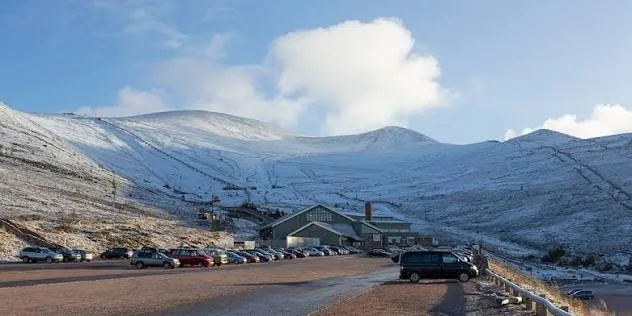
The Scottish Highlands can be some of the coldest places in Scotland in winter with temperatures often below freezing for a large part of the day. It can snow and be icy in the mountains whereas it's usually milder in the larger cities and towns.
Popular areas to visit in the Highlands include Glencoe, Aviemore and the Cairngorms, all of which can be spectacular in the winter months with snow-capped mountains. The weather can change quickly in the mountains and it's not unusual to experience a large variance in temperatures from one day to the next, or even in the same day.
If you're visiting the Highlands it's always a good idea to keep an eye on the local weather forecast and take extra care when visiting mountainous areas. Snowy winter landscapes are breathtaking but the road and weather conditions can deteriorate quicker than you'd expect.
Does It Snow Everywhere in Scotland During Winter?
Unfortunately it doesn't snow everywhere in Scotland in winter. Snowfall tends to be more common in the Highlands and mountains, especially at higher altitudes, with the lowland cities and coastal areas usually seeing more rain than snow
The number of snow days varies from year to year, and even if it does snow in a city it's likely to melt fairly quickly. Whereas, snow in the mountains is likely to stay for much longer as temperatures are usually colder.
If you want to see snow in Scotland, it's well worth considering a trip to the mountains or highlands. The weather can be unpredictable and you should never count on a snow day when you're visiting Scotland. It's always a good idea to be flexible with your plans to make the most of the weather conditions.
Why Does Scotland Feel Colder Than the Temperature Suggests?
The temperature reading on the thermometer may not tell the whole story of how cold it is in Scotland, as there are many factors that contribute to the feeling of coldness.
Wind Chill and Coastal Weather
The wind in Scotland can make a huge difference to how cold it feels, especially if you're exposed to it for a long period of time. Coastal areas tend to be windier whereas open landscapes offer little shelter from the wind.
Rain, Dampness, and Humidity
Rain is common during the Scottish winter and having damp clothes on can be uncomfortable, especially with the combination of cold weather and wind. A good waterproof coat and shoes with a decent grip will make exploring the local attractions much more pleasant.
Limited Daylight
Days are short in winter, especially in the north of Scotland. This can make the cold feel a little more intense and means there's less time to enjoy the Scottish landscape. It's always a good idea to explore outside during daylight hours where possible.What Should You Wear in Scotland During Winter?
Knowing what to wear in Scotland in winter is essential for making the most of your visit. Rather than packing one warm item of clothing, it's better to layer up as this allows for more flexibility with the weather. Here are some useful clothing items to consider bringing with you:
A warm coat
Thermal layers and comfortable clothes
A waterproof jacket and trousers
Gloves, scarf and hat
Waterproof shoes with a decent grip
Thick socks and comfortable walking shoes
If you're planning on visiting mountainous areas it's always a good idea to check the local forecast and bring additional clothing if the conditions are particularly cold. It's also a good idea to bring weatherproof gear if you're planning on exploring outdoors in Scotland in winter.
Is Scotland Worth Visiting in Winter?
Yes! Scotland can be a great place to visit in wintertime to experience Scottish culture, winter markets, historic buildings, museums, seasonal foods and beautiful landscapes. There's also a fantastic nightlife in cities like Glasgow and Edinburgh, where you can enjoy a cold, hearty meal after a day of sightseeing.
The downside to visiting Scotland in winter is that it can get quite cold and there isn't much daylight, but it's a great opportunity to experience Scottish traditions, such as Hogmanay in Edinburgh. There aren't as many tourists as there are in the summer months, so if you're considering visiting a particular attraction it's always a good idea to check opening times in advance. If you fly into Scotland, Glasgow Airport Transfers can assist in getting you to your hotel or town of choice.
Before you visit, it's always a good idea to do some research on opening times for local attractions, public transport and the weather forecast. Some rural attractions tend to have reduced opening times in the winter months and severe weather can sometimes cause cancellations.
Conclusion: How Cold Should You Expect Scotland to Be in Winter?
Scotland is a beautiful country to visit in winter with cold nights and mild, but damp days. Daytime temperatures tend to average around 6°C with overnight temperatures often close to freezing. January tends to be the coldest month in Scotland, whereas the Highlands tend to be colder than the lowlands with more snowfall.
However, rain, wind and the occasional snowfall are just some of the additional Scottish winter factors to consider when visiting. With warm layers and good waterproof clothing it's possible to enjoy Scotland's rich city centre and the wonderful countryside.Also read:Can Scotland Leave the UK Without Permission
Essentially, knowing Scotland's weather differences by area is the most important thing when deciding how to get prepared for your Scottish winter getaway.