
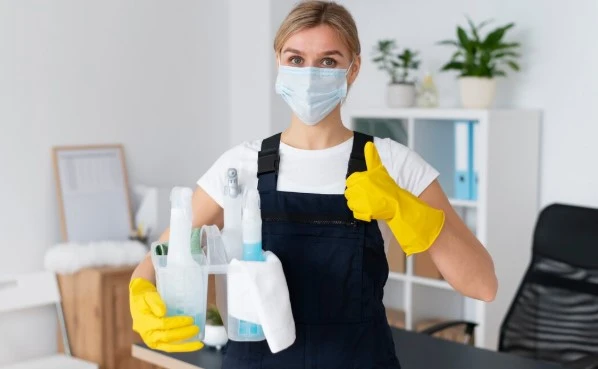
Cleaner offices in Adelaide help employers "breathe easier" by fostering a healthier work environment, which translates into tangible benefits like reduced absenteeism, increased productivity, and a more positive company image.
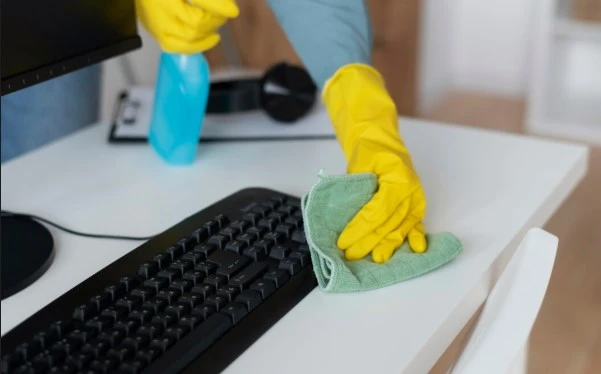
A Healthier Workspace Starts With Clean Air
The Benefits of Clean Air
- Increased Productivity and Cognitive Function: Employees in well-ventilated offices with lower pollutant levels perform significantly better on cognitive tasks, with some studies showing performance improvements of over 60%.
- Reduction of Sickness and Absenteeism: Proper air filtration and ventilation help remove airborne viruses, bacteria, and allergens. Office cleaning Adelaide reduces the risk of illness spreading throughout the office. This leads to fewer sick days and lower healthcare costs for employers.
- Enhancing Morale and Job Satisfaction: Prioritizing a healthy environment shows employees that their well-being is valued, which improves morale, engagement, and retention rates.
- Elimination of Odors and Chemicals: Air purification systems and proper ventilation eradicate unpleasant odors and harmful volatile organic compounds (VOCs) from cleaning products, office equipment, and furnishings, creating a more comfortable and focused environment.
Steps to Improve Workplace Air Quality
- Employers can implement several proactive strategies to ensure a cleaner, healthier workspace:
- Increase Ventilation: Ensure a consistent supply of fresh outdoor air, whether through natural means or mechanical systems.
- Maintain HVAC Systems: Regularly inspect, clean, and maintain heating, ventilation, and air conditioning systems. Replace or clean air filters frequently; many experts recommend using high-efficiency filters rated at MERV 13 or higher.
- Use Air Purifiers: Invest in high-quality, portable air purifiers with HEPA filters for high-traffic or high-risk areas to capture fine particles, allergens, and pollutants.
Control Pollutants at the Source:
- Opt for low-VOC or VOC-free building materials, paints, and furnishings.
- Use eco-friendly, fragrance-free cleaning products to avoid introducing harsh chemicals into the air.
- Place printers and copiers in well-ventilated areas.
- Monitor Air Quality: Utilize air quality monitors to track key parameters like CO₂, VOCs, and particulate matter in real-time. This provides actionable data and builds transparency with employees.
- Encourage Clean Habits: Implement a "clean desk" policy and provide employees with supplies like disinfectant wipes and hand sanitizers to maintain personal workspace hygiene.
Boosting Employee Productivity Through a Cleaner Environment
How a cleaner environment impacts productivity
- Reduces stress and anxiety: A clutter-free, clean space reduces visual distractions and can lead to a sense of calm and control, lowering stress and anxiety.
- Increases focus and concentration: With fewer distractions, employees can better focus on their tasks, leading to less time spent searching for misplaced items and improved efficiency.
- Boosts morale: A clean, well-maintained workspace shows employees their well-being is valued, which can increase job satisfaction and morale.
- Improves physical health: Regular cleaning reduces the spread of germs, which can lead to fewer sick days and a healthier workforce.
- Enhances overall efficiency: By streamlining workflows and reducing time spent on non-work-related activities like searching for items, a clean environment promotes a more productive workday.
Process of achieving a cleaner environment
- Implement clean desk policies: Encourage employees to declutter their desks regularly.
- Provide cleaning supplies: Keep disinfectants, wipes, and other supplies available for employees to clean their personal spaces.
- Establish good waste management: Ensure easy access to trash cans and recycling bins to prevent clutter.
- Schedule regular professional cleaning: Hire a professional cleaning service to maintain shared areas like restrooms, kitchens, and common spaces.
- Educate employees: Remind employees of the importance of cleanliness and proper hygiene to foster a collective effort.
Reducing Allergens and Pollutants in Adelaide Offices
Cleaning and Maintenance Strategies
- Establish a Cleaning Schedule: Implement a consistent cleaning routine, including daily wiping of high-touch surfaces, weekly dusting, and regular vacuuming.
- Utilise HEPA Filters: Use vacuum cleaners equipped with high-efficiency particulate air (HEPA) filters to effectively trap tiny particles like dust mites and pollen, preventing them from being released back into the air.
- Deep Clean Carpets and Upholstery: Carpets and fabric furniture act as allergen reservoirs. Schedule periodic professional deep cleaning using methods like hot water extraction to remove embedded dirt and allergens.
- Damp Wiping: Use microfiber cloths and damp-wiping techniques on hard surfaces (desks, shelves, etc.) to physically lift and remove dust and allergens rather than just moving them around.
- Preventing Mould Growth: Identify and seal any water leaks promptly. Use exhaust fans in moisture-prone areas like kitchens and bathrooms, and keep indoor humidity levels below 50% to discourage mould and dust mites.
- Clean Vents and Ducts: Regularly inspect and clean air ducts and vents, which can accumulate contaminants and circulate them throughout the office. Consider professional HVAC system cleaning.
Air Quality Management
- Improving Ventilation and Filtration: Ensure the HVAC system is well-maintained, with filters (preferably high-efficiency MERV 13 rated or HEPA) changed or cleaned frequently. Proper ventilation dilutes and removes airborne pollutants.
- Use Air Purifiers: Place portable air purifiers with HEPA and activated carbon filters in high-traffic or sensitive areas to capture fine particles, gases, and odours.
- Control Humidity: Maintaining indoor humidity between 40-60% relative humidity. Dehumidifiers can be useful in damp conditions.
Office Policies and Practices
- Promote a "Scent-Free" Policy: Encourage employees to avoid strong perfumes, colognes, and personal air diffusers, which can be significant irritants for some.
- Go Green with Cleaning Products: Opt for hypoallergenic, non-toxic, and environmentally safe cleaning products to avoid introducing chemical irritants into the air.
- Encourage Decluttering and Hygiene: A "clean desk" policy reduces dust-collecting surfaces. Encourage good personal hygiene, such as hand washing and changing clothes after being outdoors during high pollen seasons.
- Mind Indoor Plants: If using indoor plants, select non-flowering varieties with large, smooth leaves that are easy to clean, to avoid introducing more pollen or potential mould growth in the soil.
- Stay Informed: Monitor the Adelaide Pollen Count and air quality index to take extra precautions on high-risk days, such as keeping windows closed.
- Consult Professionals: For ongoing or severe issues, consider using NATA-accredited environmental consultants in Adelaide, such as Agon Environmental, for air quality testing and expert guidance.
Why Regular Office Cleaning Lowers Sick Days
How cleaning reduces sick days
- Reduces germ transmission: Continuous cleaning and disinfecting of common surfaces like doorknobs, phones, and keyboards significantly decreases the spread of viruses and bacteria that cause colds, the flu, and other illnesses.
- Improves air quality: Dust, dirt, and mold can get trapped in carpets, vents, and furniture. Regular cleaning removes these allergens, which can improve air flow, reduce respiratory issues, and prevent symptoms like headaches and coughing.
- Minimizes allergens: Removing dust, mold, and other irritants from surfaces reduces exposure to allergens, which helps employees with allergies or asthma stay healthier.
- Promotes healthy habits: A clean office with readily available supplies like hand soap and paper towels makes it easier for employees to practice good hygiene, further cutting down on the spread of infection.
- Boosts mental well-being: A clean, organized workspace can reduce stress and anxiety, leading to better overall mental and physical health for employees.
Improving Indoor Air Quality With Professional Cleaning Services
Dust and allergen removal
- Deep cleaning: Professionals use powerful equipment to remove deep-set dust, pet dander, and other allergens from carpets, upholstery, and hard-to-reach areas.
- Specialized tools: They use tools like HEPA-filter vacuums to capture microscopic particles that standard vacuums miss, preventing them from recirculating into the air.
Mold and mildew prevention
- Identification and treatment: Cleaning services can identify and treat areas prone to moisture and mold growth, such as bathrooms and kitchens, to prevent mold from developing and impacting air quality.
HVAC and ventilation
- System maintenance: Professionals can clean HVAC ducts and vent covers, which helps prevent dust and pollutants from circulating throughout the building.
- Filter management: Cleaning service providers can change or remind to change HVAC filters, ensuring the system operates at peak efficiency and traps contaminants effectively.
- Airflow optimization: Some services can also help with optimizing furniture placement to improve air circulation.
Use of safe products
- Reduced chemicals: Professional cleaners often use eco-friendly, non-toxic, and low-VOC (Volatile Organic Compound) cleaning products to avoid introducing harmful fumes and chemicals into the air.
- Targeted cleaning: They focus on sanitizing high-touch surfaces and windows to remove grime that can affect both air quality and hygiene.
Consistency and thoroughness
- Routine services: Regular, professional cleaning schedules help minimize the accumulation of pollutants over time.
- Targeted approach: Professionals can identify and clean areas that are often overlooked in routine DIY cleaning, ensuring a more thorough job.
Clean Offices Strengthen Workplace Morale
Psychological benefits
- Reduces stress: A clean, organized environment promotes a sense of calm and order, decreasing stress and anxiety.
- Increases focus: A clutter-free space minimizes distractions, allowing employees to concentrate better on their tasks.
- Boosts job satisfaction: When a company invests in a clean office, it shows employees they are valued and that their comfort is a priority, leading to greater job satisfaction.
- Fosters a sense of pride: Employees are more likely to take pride in their work and the company when their surroundings are well-maintained and professional.
Health and productivity benefits
- Improves health: A hygienic office reduces the spread of germs, leading to fewer sick days and improved overall employee well-being.
- Increases productivity: With fewer distractions and a healthier workforce, employees can be more focused and efficient, boosting productivity.
- Enhances collaboration: A positive and pleasant environment can lead to more positive interactions and stronger teamwork among colleagues.
Cultural and professional benefits
- Reflects professionalism: A clean office demonstrates professionalism and responsibility from management, which can encourage employees to mirror those same values.
- Encourages retention: When employees feel cared for and comfortable, they are more likely to be committed to the company, which can lead to lower turnover rates.
- Promotes a positive culture: Maintaining cleanliness contributes to a positive and supportive company culture where employees feel more motivated and engaged.
The Role of Modern Cleaning Techniques in Employee Wellness
Physical Health and Safety Benefits
- Modern cleaning technologies significantly improve the physical work environment, directly impacting employee health and reducing illness.
- Reduced Illness and Absenteeism: Consistency and thorough disinfection of high-touch surfaces using modern methods like electrostatic sprayers significantly reduces the spread of germs, viruses, and bacteria. This proactive approach translates to fewer sick days, which is a major factor in maintaining consistent productivity.
- Improved Indoor Air Quality: Advanced systems like HEPA filtration vacuums and air purifiers effectively remove airborne particles, allergens, dust, and mold spores that can trigger respiratory issues. Improved air quality leads to fewer allergy symptoms, enhanced respiratory health, and better cognitive function among employees.
- Safer, Non-Toxic Environments: The shift toward eco-friendly, green-certified cleaning products means fewer harmful chemicals and volatile organic compounds (VOCs) are released into the air. This is safer for both cleaning staff and office occupants, reducing the risk of skin irritations, chemical sensitivities, and other health problems.
- Accident Prevention: Good housekeeping practices that are integrated into daily operations prevent slip, trip, and fall incidents by keeping floors clean, dry, and free from clutter.
Psychological and Morale Benefits
- The impact of modern cleaning extends beyond physical health, positively affecting the mental and emotional state of employees.
- Reduced Stress and Enhanced Focus: Clutter and disorganization can be major sources of stress and distraction, overwhelming the brain and making concentration difficult. A clean, organized, and aesthetically pleasing environment fosters a sense of calmness, order, and control, allowing employees to focus better and work more efficiently.
- Boosted Morale and Job Satisfaction: When a workplace is consistently clean and well-maintained, it sends a powerful message that management values its employees' health and comfort. This recognition can boost morale, job satisfaction, and a sense of pride and belonging within the organization.
- Positive Company Culture and Image: A clean office reflects professionalism and attention to detail, creating a strong, positive impression on clients, visitors, and potential hires. It encourages employees to maintain the same high standards in their own work, fostering a culture of quality and respect.
The Role of Technology in Modern Cleaning
- Modern cleaning techniques leverage technology to maximize these benefits efficiently:
- Automation and Robotics: Robotic vacuums and autonomous floor scrubbers can handle routine, large-area cleaning tasks, freeing up human staff to focus on detailed disinfection and high-touch areas.
- Data-Driven Cleaning: IoT sensors and smart systems can monitor foot traffic, air quality, and the usage of shared areas and supplies. This data enables predictive cleaning, ensuring resources are allocated precisely where and when they are needed most, rather than adhering to rigid, inefficient schedules.
- Advanced Disinfection: Technologies such as UV-C light sterilization and electrostatic spraying provide a superior, chemical-free method of eliminating pathogens on surfaces, offering an extra layer of protection, particularly critical in the wake of global health crises.
Sustainable Cleaning Practices for Adelaide Businesses
Products and materials
- Use green cleaning products: Choose products that are non-toxic, biodegradable, and free from harsh chemicals like ammonia and chlorine bleach.
- Switch to microfiber cloths: Use reusable microfiber cloths and mops, which trap dirt and bacteria more effectively and require less water and chemicals.
- Opt for reusable containers: Avoid single-use plastic bottles by using refillable containers for cleaning solutions.
Water and energy efficiency
- Conserve water: Use water-saving techniques, such as a controlled amount of water or modern equipment like water-fed pole systems.
- Reduce energy consumption: Employ energy-efficient equipment and adapt cleaning plans to minimize power intake.
- Use steam cleaning: Utilize steam cleaning equipment, which is an effective method for cleaning without chemicals.
Waste reduction and management
- Minimize waste: Reduction of waste by recycling and composting wherever possible.
- Use recycled materials: Choose recycled paper towels, cleaning cloths, and other materials when available.
- Implement proper waste disposal: Ensure waste is disposed of properly, with a focus on recycling.
Operational and staff practices
- Educate employees: Train staff on the importance of sustainability and how to properly use eco-friendly products and methods.
- Schedule efficiently: Plan cleaning routes to minimize transport distances and reduce emissions.
- Consider HEPA filters: Use vacuums with HEPA filters to remove allergens and improve indoor air quality.
Choosing the Right Commercial Cleaning Partner in Adelaide
1. Define about needs and budget
- Assess your space: Consider the size, layout, and specific areas (e.g., specialized floors, high-touch surfaces) that need cleaning.
- List specific tasks: Determine what tasks are essential, such as dusting, vacuuming, trash removal, and sanitization.
- Consider health and safety: Be clear about any health and safety requirements your business has.
- Set a value-based budget: Understand that the lowest price isn't always the best value. Consider what is included in the cost, such as training, quality assurance, and sustainability practices.
2. Research and vet potential partners
- Check reputation and reviews: Look for companies with a long history in the industry and read online reviews and testimonials from other clients.
- Request references: Ask for references from clients in a similar sector to yours.
Evaluate their professionalism:
- Communication: Pay attention to how responsive and communicative they are from the first contact.
- Detailed quotes: Request a detailed bid rather than a templated one to see if they are willing to put in extra effort to understand your needs.
- Experience and training: Ask about the cleaning team's experience, capabilities, and training processes.
- Check certifications and licenses: Look for companies that have relevant certifications or licenses.
3. Choose the right long-term partner
- Compare services: Ensure they offer the full range of services you require, which might include specialized services like carpet or floor cleaning.
- Discuss sustainability: Consider their environmental consciousness and green cleaning practices, which is important for many businesses today.
- Establish accountability: Choose a company that allows for a single point of contact to ensure clear communication and consistency.
- Plan for improvement: Look for a partner willing to have regular meetings to review expectations and address any issues that arise.
- Consider the partnership: Ultimately, select a partner you can work with through potential issues and concerns, not just someone who offers the lowest price.
Conclusion
The conclusion is that prioritizing office cleanliness is a strategic business investment, not just an expense, with a positive return on investment (ROI) through improved performance and a better work environment.
FAQ
1. How do cleaner offices improve indoor air quality?
Regular cleaning removes dust, allergens, mould spores, and airborne pollutants that commonly accumulate in office environments. This leads to fresher, cleaner air and a healthier workspace.
2. Why is clean air important for employee health?
Poor indoor air quality can trigger allergies, asthma, headaches, and respiratory issues. Cleaner air reduces these risks, helping employees feel better and perform more efficiently.
3. Can regular office cleaning reduce sick days?
Yes. A hygienic office minimises the spread of germs, bacteria, and viruses. This significantly lowers the likelihood of illnesses circulating within the workplace.
4. What cleaning tasks have the biggest impact on air quality?
Dusting, vacuuming with HEPA filters, air vent cleaning, carpet cleaning, and regular sanitisation of high-touch surfaces all contribute to noticeably better air quality.
5. Are professional cleaners necessary, or can staff handle it?
While staff can maintain basic tidiness, professional cleaners use specialised tools, products, and techniques that provide deeper cleaning and better air filtration, resulting in healthier indoor air.