Introduction to Cell State Monitoring in Turbine Systems
Industrial turbines operate under demanding conditions that require precise control and continuous monitoring. In GE industrial equipment—particularly gas and steam turbines—control systems rely on real-time feedback to maintain safe, stable, and efficient operation. One essential component within these systems is the cell state sensor board, which provides critical information about the operational status of key electrical and control elements within the turbine.
Understanding Cell State Sensor Boards
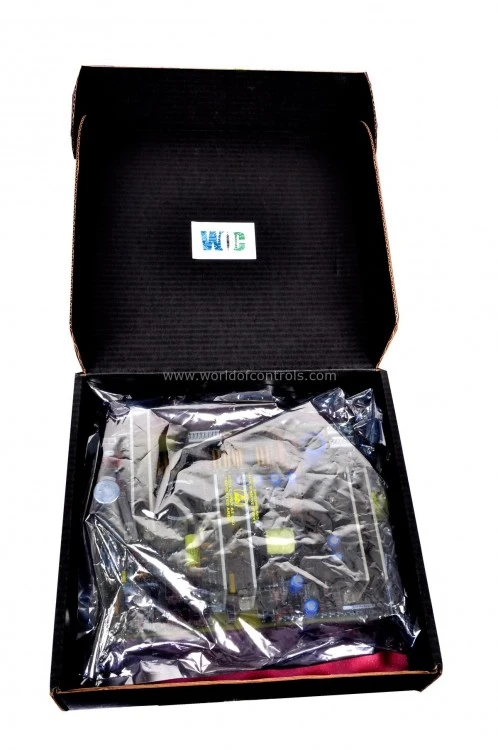
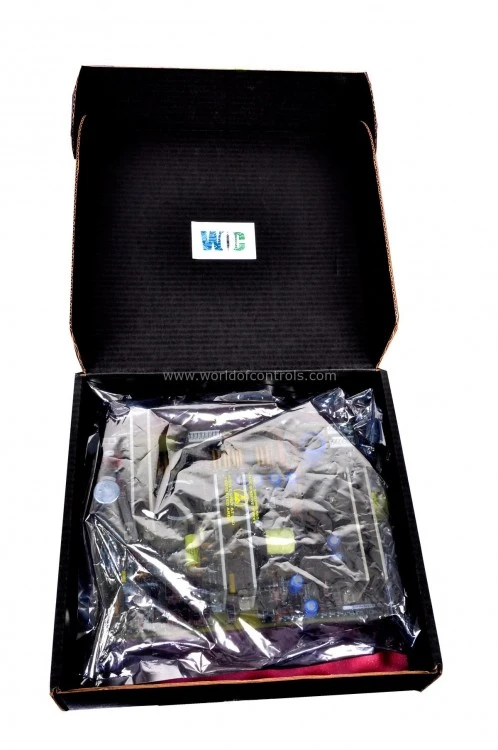
A cell state sensor board is an electronic circuit board designed to monitor the condition, or “state,” of multiple control cells in a turbine system. These cells may include firing circuits, power electronics, protective relays, or switching devices that must operate in clearly defined states such as active, inactive, or faulted.
In GE turbine control architectures, the cell state sensor board acts as an interface between field-level components and the central control system. By continuously tracking cell behavior, it ensures that commands issued by the control logic are being executed correctly at the hardware level.
Role in GE Turbine Control Systems
Within GE industrial turbine equipment, cell state sensor boards play a vital role in system supervision and protection. They collect electrical signals from multiple control cells and convert them into standardized feedback that can be interpreted by the turbine control processor.
This feedback allows the control system to verify proper operation during critical phases such as startup, load changes, and shutdown. If an abnormal condition is detected—such as a cell failing to respond or remaining in an incorrect state—the control system can trigger alarms or initiate protective actions to prevent equipment damage or unsafe operation.
How Cell State Sensor Boards Function
The operation of a cell state sensor board involves several key processes: signal detection, conditioning, and communication. Input signals representing cell states are first received from connected components. These signals may be digital or analog, depending on system design.
Once received, the board processes the signals to confirm they fall within expected operational limits. Electrical isolation is typically incorporated to protect sensitive control electronics from high voltages and electrical noise common in turbine environments. After validation, the conditioned signals are transmitted to the main control system for real-time analysis and decision-making.
Importance for Turbine Safety and Reliability
Safety and reliability are critical priorities in the turbine industry. Even minor failures in control cells can escalate into major system faults if not identified promptly. Cell state sensor boards provide continuous confirmation that essential components are operating as intended.
By delivering accurate and timely feedback, these boards help prevent misfires, overheating, and electrical faults. They also support advanced diagnostic and maintenance strategies, allowing operators to detect irregular behavior early and reduce unplanned downtime.
Maintenance and Long-Term Operation
Cell state sensor boards are engineered for long-term use in industrial environments, but they are still subject to aging, temperature stress, and environmental exposure. Routine inspection, testing, and proper handling are essential to maintain their reliability.
Given the long service life of many GE turbine systems, maintaining compatible sensor boards is a key part of asset management. Proper maintenance ensures continued system integrity and supports the ongoing safe operation of industrial turbines.
Conclusion
Cell state sensor boards are a fundamental part of GE industrial turbine control systems. By monitoring the operational states of critical components and providing real-time feedback, they enhance safety, reliability, and overall system performance. Understanding how these boards function helps engineers and operators maintain efficient turbine operations in complex industrial environments.