When my old sedan finally gave up, it did it in style. One loud clunk on the Monash, warning lights everywhere, and a tow back to my driveway. The mechanic’s verdict was clear: the repair bill would be more than the car was worth, and the rego was due in a few weeks anyway.
So there I was with a non-running, almost-unregistered car taking up space, racking up rego costs for something that couldn’t even get to the shops. I didn’t want to pay for towing to a wreckers yard, and I had no idea how selling a damaged vehicle even worked in Victoria, especially once the rego ran out.
After a bit of searching I landed on Carcycle, who buy end-of-life vehicles. The thing that caught my eye was that they were happy to take accident-damaged and non-running cars, not just old bombs that still crawled along. They also made a point about handling vehicles in a way that wasn’t just dumping them somewhere, which sat better with me than the idea of it ending up as a forgotten shell.
Filling out the form on a non-running car
The online quote form was pretty straightforward: make, model, series, a few details about the condition, and the all-important photos. There were two sections that mattered most for me: “reason for selling” and “does the car start & drive?”. I ticked “no” to starting and driving, and explained that the engine had basically called it quits and that the car was close to the end of its rego.
I’d never used a car removal for cash service before, so I expected a low offer because the car was dead and nearly unregistered. Instead, once I’d uploaded clear photos and put in my suburb, they came back with a figure that actually beat another quote I’d had on the phone. The offer included free towing and payment at pickup, which meant I didn’t have to organise anything else or pay a cent to shift the vehicle.
What reassured me was that they didn’t flinch at the words “non-running” and “damaged”. The person I spoke to on the phone just confirmed the details I’d already put in the form, checked access to the driveway for the truck, and talked me through what to do with the plates and cancelling the rego. Once we’d locked in a time, they aimed to get there within about a day, which suited me because I needed the driveway back quickly.
Pickup day: no rego, no worries
On pickup day the truck arrived within the time window they’d given me. The driver checked the car against the details in the form, including the fact that it wouldn’t start. There was no pressure, no last-minute haggling; the offer they’d made online was the amount they processed.
We did the handover on the spot. Because of the no-cash rules in Victoria, the payment went through as an EFT rather than a bundle of notes, and I had the transfer confirmation before the car even left the driveway. For anyone wondering if you can sell a damaged or unregistered car, that part really was as simple as they make it sound – the main thing is being upfront about the condition in those form fields and having ID ready.
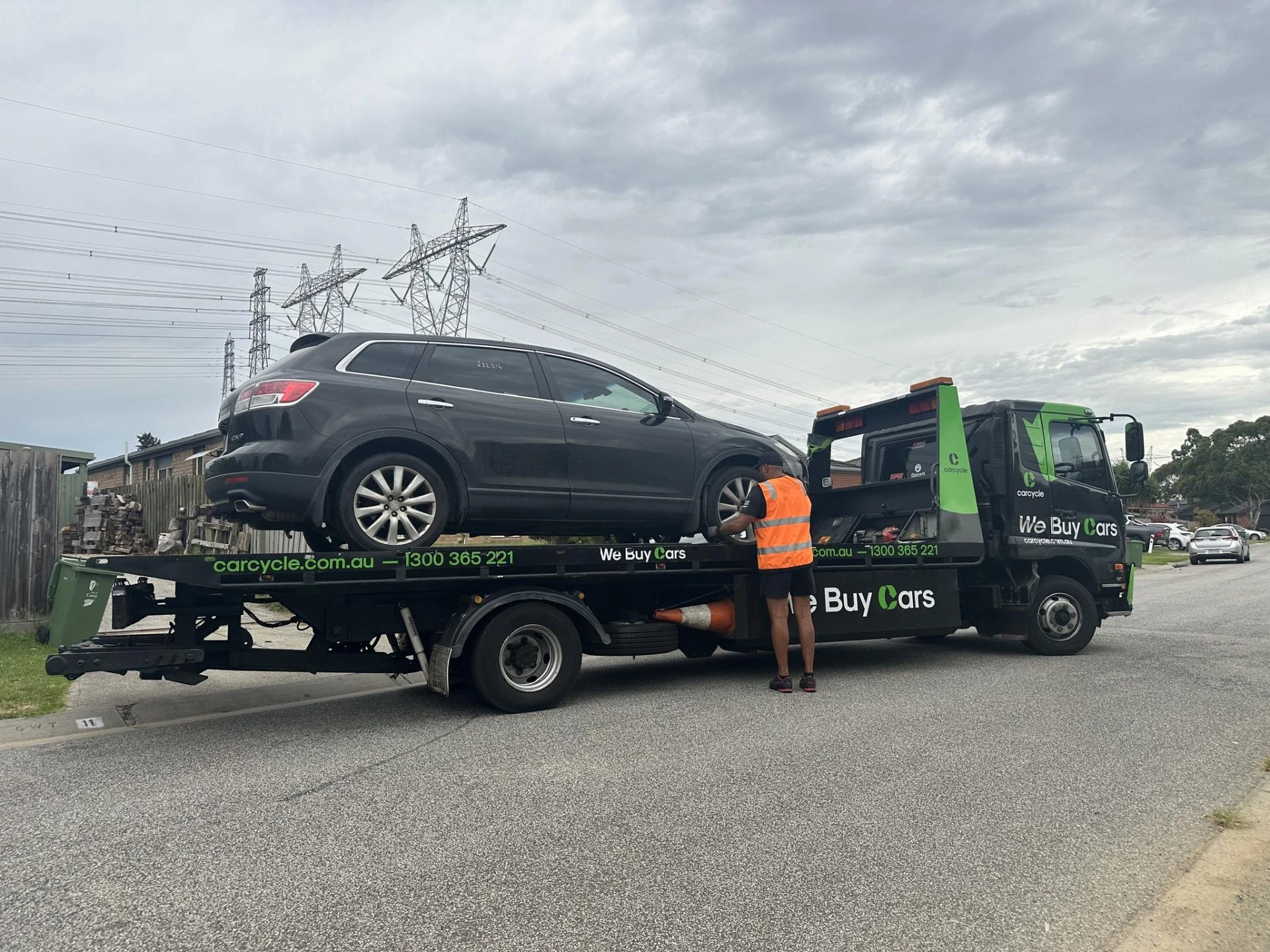
After the paperwork, the driver winched the car onto the truck in a few minutes. I didn’t have to worry about organising any separate tow or trying to push a dead car onto the street. Watching it go felt oddly satisfying: instead of sitting there gathering dust and costing money, it was finally on its way to be processed properly through their car scrapping operation, where usable parts are pulled and the rest is prepared for shredding and metal recovery.
From junk car to something useful
One thing that mattered to me was what would actually happen to the car once it disappeared on the truck. The team explained that a big part of what they do is focused on responsible automotive recycling across Melbourne, which includes draining fluids, handling hazardous materials correctly and recovering metal rather than letting it all end up as landfill. Knowing that most of the vehicle would be reused or recycled made handing it over feel a lot less wasteful.
Looking back, the part I’d stressed about the most – selling a damaged, nearly unregistered car that couldn’t move under its own power – turned out to be the least painful step. Being honest in the “reason for selling” and “does the car start & drive?” sections meant there were no awkward surprises when the truck arrived. The quote matched the condition, the pickup was free, the payment came through at collection, and the car was headed for a legal, environmentally responsible end.
If someone asked me now whether they can still sell a car that’s damaged, unregistered or not running, I’d say yes without hesitation – as long as you deal with a proper recycler and give them the full picture up front. In my case, what started as a dead weight in the driveway turned into a cleared space, money in the bank, and the quiet satisfaction of knowing the old car was being handled the right way from start to finish.