Canker sores are a common oral health concern that can disrupt everyday activities such as eating, speaking, and brushing teeth. Although they are not contagious, their discomfort often prompts people to seek relief as soon as possible. Understanding how treatments work can help individuals manage symptoms more effectively and avoid unnecessary interventions.
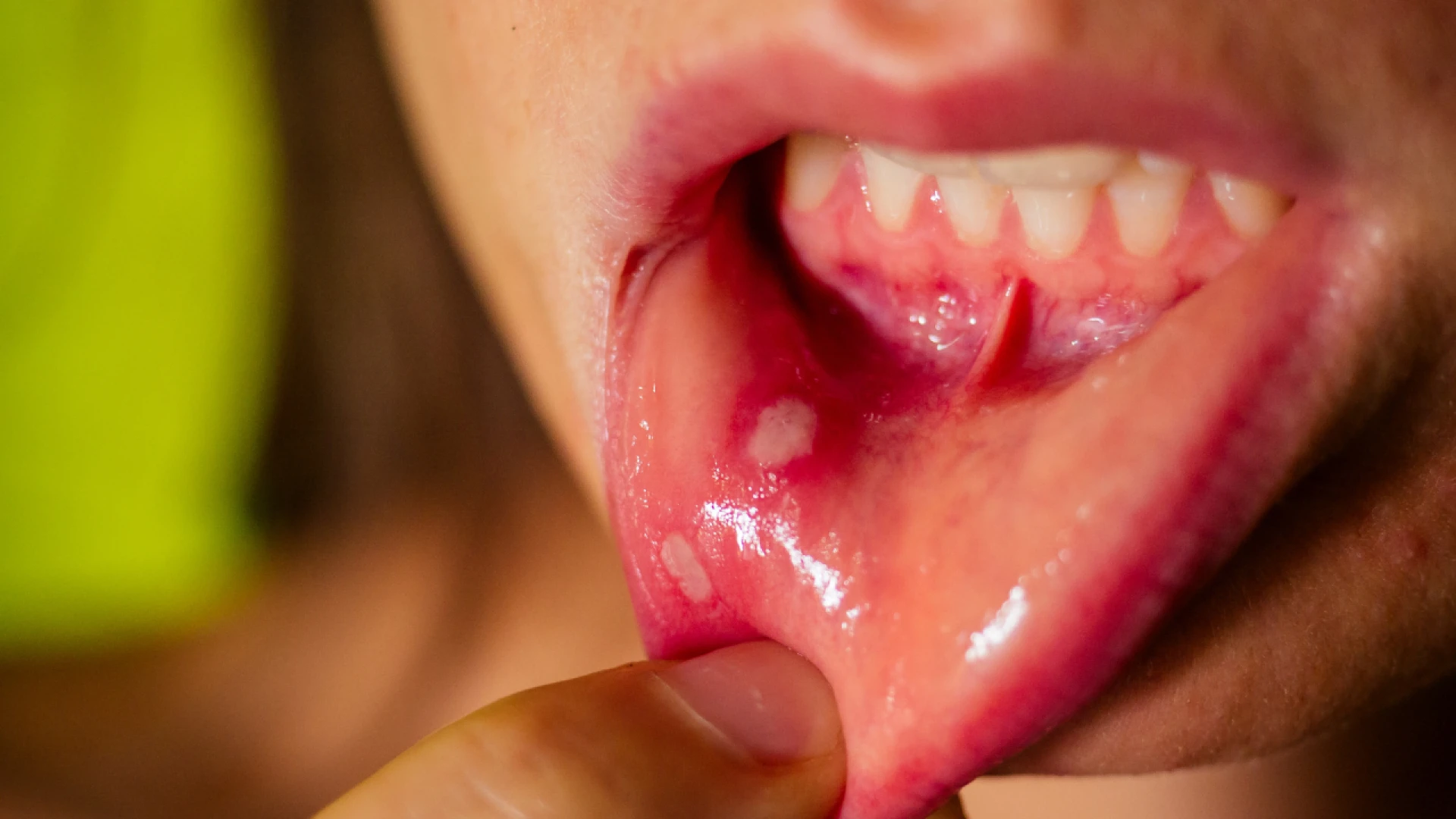
These small ulcers typically develop on the soft tissues inside the mouth, including the inner cheeks, lips, tongue, or base of the gums. While most heal on their own, the pain they cause can vary widely depending on size, location, and individual sensitivity.
This article explains how canker sore medicine functions, the situations in which it is most useful, and how to decide whether treatment is necessary or optional.
Understanding Canker Sores
What Causes Them?
The exact cause of canker sores is not always clear, but several contributing factors have been identified. These include minor oral injuries, stress, hormonal changes, nutritional deficiencies, food sensitivities, and certain systemic conditions. In some cases, immune system responses may play a role in triggering the ulcer formation.
Unlike cold sores, which are caused by viral infections, canker sores develop internally and are not linked to herpes viruses. This distinction is important when choosing appropriate treatment strategies.
Common Symptoms
Canker sores often begin with a tingling or burning sensation before a visible ulcer appears. The sore itself is usually round or oval, with a white or yellow center and a red border. Pain is typically most intense during the first few days and gradually subsides as healing progresses.
How Treatment Options Work
Pain Relief Mechanisms
Many treatments focus on reducing discomfort rather than eliminating the sore itself. Topical gels, rinses, or patches often contain anesthetic or soothing agents that temporarily numb the affected area. This can make eating and speaking more manageable while the body heals naturally.
Reducing Inflammation
Inflammation contributes significantly to the pain and redness associated with oral ulcers. Certain topical applications aim to calm the inflammatory response, which may shorten healing time and prevent the sore from worsening.
Protective Barriers
Some formulations create a thin protective layer over the ulcer. This barrier shields the sore from irritation caused by food, saliva, or friction from teeth. While it does not cure the condition, it supports a more comfortable healing environment.
When Is Treatment Necessary?
Mild and Infrequent Sores
For small ulcers that occur occasionally and heal within one to two weeks, treatment may not be strictly necessary. Maintaining good oral hygiene and avoiding irritating foods is often sufficient. In these cases, medication serves mainly as a comfort measure.
Persistent or Severe Cases
Treatment becomes more relevant when sores are large, unusually painful, or slow to heal. Individuals who experience frequent recurrences may also benefit from medical guidance, as recurring ulcers can sometimes indicate underlying nutritional or immune-related issues.
Special Populations
Children, older adults, and individuals with compromised immune systems may experience more pronounced symptoms. In such cases, professional evaluation helps ensure that the chosen approach is safe and appropriate.
Proper Use and Considerations
Following Instructions Carefully
Topical applications should be used exactly as directed. Overuse or improper application can irritate surrounding tissues or delay healing. Hands should be clean before application to avoid introducing bacteria into the sore.
Avoiding Triggers During Healing
Even with treatment, exposure to spicy, acidic, or abrasive foods can prolong discomfort. Gentle oral care routines and neutral-tasting foods support recovery.
When to Seek Medical Advice
If an ulcer lasts longer than two weeks, is accompanied by fever, or interferes significantly with eating and drinking, professional evaluation is recommended. Persistent sores may require further investigation to rule out other conditions.
Prevention and Long-Term Management
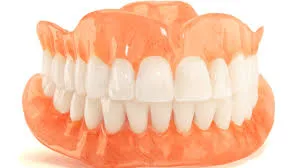
Although treatment addresses symptoms, prevention focuses on reducing recurrence. Managing stress, correcting vitamin deficiencies, and avoiding known irritants can lower the likelihood of future episodes. Regular dental checkups also help identify mechanical causes such as sharp tooth edges or ill-fitting dental appliances.
For individuals with recurrent issues, keeping a symptom diary may help identify personal triggers and patterns.
Conclusion
Oral ulcers are generally harmless but can significantly affect comfort and daily routines. Understanding how treatment options work allows individuals to use them appropriately and avoid unnecessary intervention. While many cases resolve on their own, targeted use of medication can ease discomfort and support healing when symptoms are more severe or persistent. A balanced approach that combines symptom relief, trigger avoidance, and professional guidance when needed is often the most effective strategy.
FAQs
What is the main goal of treating canker sores?
The primary goal is to reduce pain and inflammation while protecting the sore during the natural healing process.
How long do canker sores usually last?
Most heal within 7–14 days without leaving scars, although discomfort is usually greatest in the early stages.
Can oral ulcers indicate a more serious condition?
Occasionally, frequent or persistent sores may be linked to nutritional deficiencies or immune-related disorders, which is why medical advice is recommended in such cases.
Are these treatments safe for children?
Many topical options are suitable for children, but age-appropriate formulations and professional guidance are important.
Do lifestyle changes help prevent recurrence?
Yes. Stress management, balanced nutrition, and avoiding irritating foods can reduce how often sores develop.