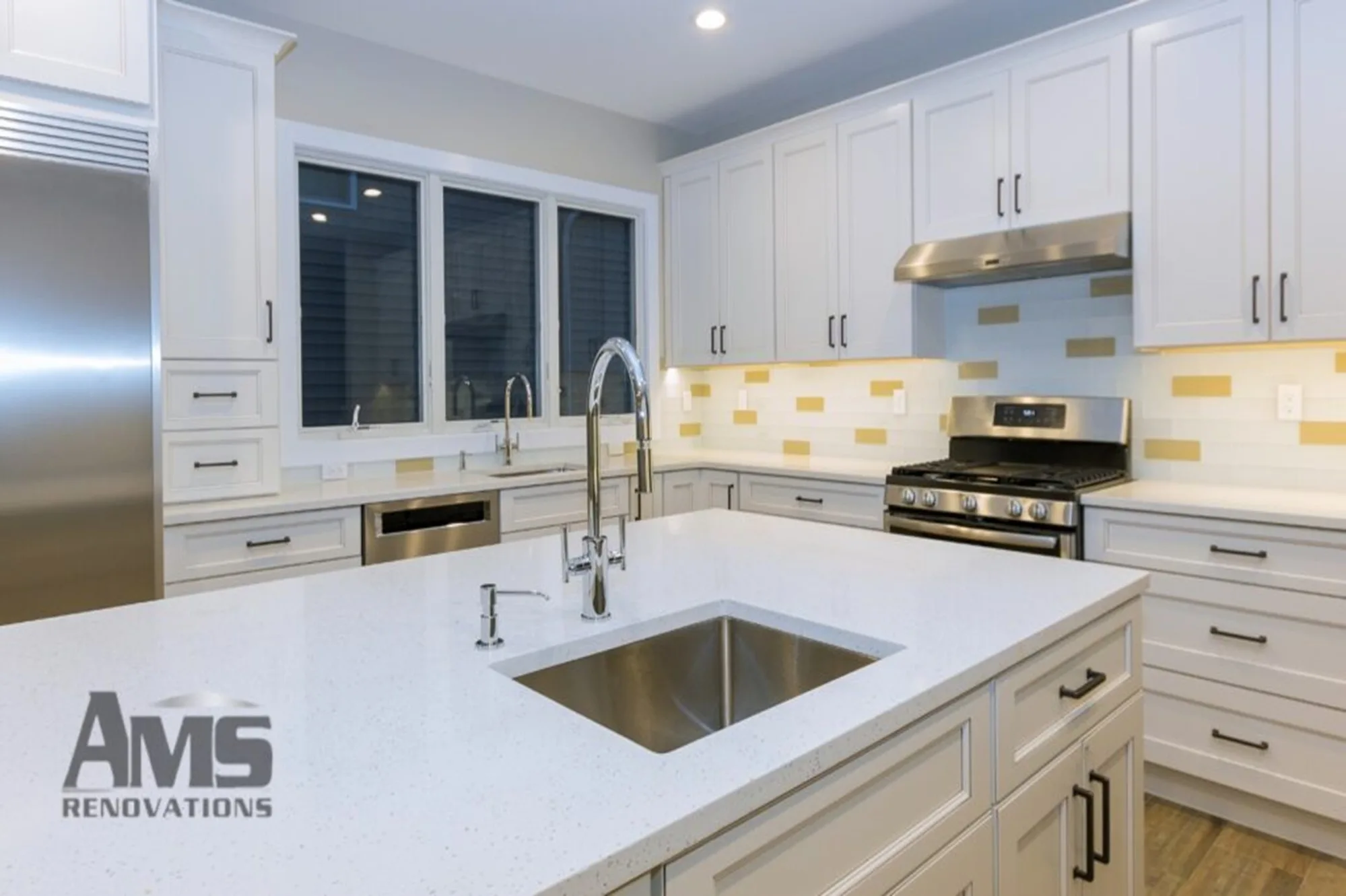
Every home has different needs, and the right remodeling project depends on how you use your space, what needs improvement, and how much you want to invest. Home Renovation in Burlington MA can help homeowners explore ways to improve comfort, update outdated interiors, and make their properties more functional. By identifying your priorities before construction begins, you can make informed choices and develop a renovation plan that supports your household for years to come.
Identify the Problems You Want to Solve
Before planning a major renovation, take a closer look at your home. Some rooms may have an outdated appearance, while others may be difficult to use because of limited storage, poor lighting, or an inefficient layout.
Walk through each room and note the improvements that would make the biggest difference. You may want a more organized kitchen, a bathroom with better storage, a comfortable home office, or additional space for family activities.
Separate essential repairs from optional improvements. Issues involving leaks, damaged building materials, electrical safety, or structural concerns should be evaluated before cosmetic changes. Addressing important problems early can help protect the quality of later work.
Once you understand your priorities, you can focus your budget on improvements that solve real problems rather than adding features you may rarely use.
Decide Whether a Small Update or Major Remodel Is Needed
Not every home improvement project requires a complete transformation. Sometimes, replacing outdated fixtures, improving lighting, repainting walls, or updating cabinet hardware can refresh a room.
A larger remodel may be more appropriate when the existing layout does not support your needs or when important components require replacement. For example, a kitchen with limited counter space may benefit from a layout adjustment, while a bathroom with persistent plumbing problems may require more extensive work.
Compare the benefits and costs of each option. Ask whether repairing existing features would provide a reliable result or whether replacement makes more sense over the long term.
A realistic project scope can help you avoid unnecessary construction while ensuring that important improvements are not overlooked.
Plan a Kitchen That Supports Your Household
A functional kitchen should provide convenient storage, adequate workspace, suitable lighting, and a practical arrangement of appliances. When these features are poorly organized, everyday cooking and cleanup can become frustrating.
Begin by considering how you use the room. If you prepare meals frequently, you may need more counter space or easier access to cookware. If several people use the kitchen at the same time, movement between the refrigerator, sink, and cooking area deserves attention.
Potential upgrades include new cabinetry, improved pantry storage, durable countertops, updated flooring, and better task lighting. You can also explore modern appliances that fit your space and usage requirements.
Before changing the layout, review the costs associated with moving plumbing, electrical connections, or ventilation systems. Keeping existing connections where practical may help manage the budget.
Choose finishes that balance appearance with everyday durability. A well-designed kitchen should be attractive while remaining easy to clean and maintain.
Make Your Bathroom More Comfortable
Bathrooms should provide privacy, convenience, and surfaces that can handle regular moisture exposure. An outdated bathroom may benefit from improved fixtures, better lighting, additional storage, or replacement flooring.
Start by identifying the main limitations. A small vanity may provide insufficient storage, while an awkward layout may make the room difficult to use. In some cases, changing a few features can improve the experience without requiring a complete redesign.
For larger projects, consider how the shower, toilet, vanity, and storage areas work together. Make sure the proposed arrangement allows comfortable movement and meets applicable safety requirements.
Waterproofing and ventilation are especially important. Address leaking pipes, damaged seals, and moisture problems before installing new finishes. These steps help protect the renovated space from avoidable damage.
Consider Your Home's Long-Term Needs
A renovation should address current concerns while allowing for changing household needs. You might need a flexible room for remote work, additional storage for a growing family, or a more accessible bathroom.
Think about how your space could be used over the next several years. A spare room may serve as an office today and a guest room later. Flexible furniture arrangements and practical storage can help a room adapt without requiring another renovation.
If you are considering accessibility improvements, discuss suitable options such as improved lighting, secure handrails, easier-to-use fixtures, and reduced barriers where appropriate. Any structural or plumbing changes should be assessed by qualified professionals.
Planning with future use in mind can help you avoid spending money on a design that becomes inconvenient as your circumstances change.
Explore Ways to Improve Energy Efficiency
Indoor comfort depends on temperature control, insulation, ventilation, and the condition of the home's systems. If certain rooms feel drafty or temperatures vary significantly, it may be worth evaluating the building envelope and existing heating or cooling equipment.
Depending on the property, possible improvements include sealing air leaks, upgrading insulation, installing efficient lighting, or assessing older windows. The most suitable solution depends on the home's condition and the source of the problem.
Ventilation should be considered alongside insulation and air sealing. Kitchens and bathrooms need appropriate airflow to manage moisture, and a well-sealed home still requires suitable fresh-air circulation.
Rather than selecting upgrades based only on general recommendations, consider a professional assessment to identify improvements that match your property and budget.
Set a Budget That Covers the Full Project
A clear budget helps you determine which remodeling projects are realistic. Start by estimating the cost of essential repairs, labor, materials, and finishing work.
Request a detailed written estimate that explains what the contractor will complete. Clarify whether the price includes preparation, waste removal, permits, inspections, and cleanup. Ask how additional work will be priced and approved if unexpected issues arise.
Keep a contingency fund for conditions that cannot be identified before construction begins. Older properties may contain hidden water damage, outdated wiring, or other issues that require attention once walls or floors are opened.
If your budget cannot cover every desired improvement, prioritize projects based on safety, functionality, and long-term value. You can schedule optional upgrades for a later phase instead of compromising essential work.
Find a Contractor Who Understands Your Goals
The contractor you choose should understand your project requirements and explain the work in clear terms. Look for relevant experience, transparent estimates, reliable communication, and appropriate licensing and insurance where required.
AMS Renovations is one option to consider when researching renovation services for your home. Before making a decision, discuss your goals, ask about similar projects, and review the proposed schedule and payment terms.
A written agreement should identify the work to be completed, the materials involved, expected milestones, and the process for handling changes. Make sure you understand who is responsible for permits and inspections.
Avoid choosing a contractor based solely on price. Clear planning, sound workmanship, and effective communication are also important factors in achieving a satisfactory result.
Understand Local Permits and Project Requirements
Some remodeling projects require permits or inspections, depending on the nature of the work. Structural changes, plumbing updates, electrical modifications, and the creation of new living areas may involve specific building requirements.
Before construction starts, confirm which rules apply to your property in Burlington, MA. Ask the appropriate local building department or a qualified professional for guidance about permits and inspections.
If your renovation involves an older home, ask about precautions for materials that may contain hazardous substances before disturbing them. Appropriate assessment and handling can help protect household members and workers.
Planning for these requirements early can reduce the risk of delays and unexpected complications.
Keep Daily Life Organized During Construction
Remodeling can affect household routines, especially when work takes place in kitchens, bathrooms, or shared living areas. A little preparation can make the experience more manageable.
Move furniture and personal belongings away from work zones. Protect items that need to remain inside the home, and arrange alternatives for rooms that will be temporarily unavailable.
Discuss working hours, access, cleanup, material deliveries, and progress updates with your contractor. If you have children or pets, plan how to keep them safely away from construction areas.
Confirm important material selections before work begins whenever possible. Early decisions can help reduce scheduling problems and keep the project organized.
Frequently Asked Questions
How do I decide which home remodeling project to complete first?
Start with safety concerns, necessary repairs, water damage, and other issues that could affect the property. Then prioritize improvements that make everyday living more convenient and fit your available budget.
Is remodeling more practical than moving to a different home?
It depends on your property's condition, the improvements you need, and your financial circumstances. Remodeling may help your current home meet your needs, but compare the expected costs and limitations with other available options before deciding.
How can I keep my renovation within budget?
Define the project scope, obtain detailed estimates, select materials carefully, and reserve funds for unexpected work. Discuss changes in writing and understand their cost before approving them.
Should I hire a contractor for a small renovation?
Some minor cosmetic tasks may be suitable for experienced homeowners, but work involving electrical systems, plumbing, structural components, or permits may require qualified professionals. Evaluate the complexity and safety requirements before deciding.
Do home remodeling projects require permits in Burlington, MA?
Some do, depending on the type and extent of the work. Confirm local requirements before beginning construction, especially for structural modifications, electrical work, plumbing, or changes to living spaces.
Take the Next Step Toward a Better Home
Choosing the right remodeling projects starts with understanding your home's current condition and deciding what matters most to your household. Whether you want a more functional kitchen, a refreshed bathroom, better energy performance, or more flexible living space, careful planning can help you make practical decisions.
Establish your priorities, set a realistic budget, and speak with a qualified professional about suitable options. With a clear scope and thoughtful preparation, your Burlington property can become more comfortable, useful, and attractive without unnecessary changes.