Real estate markets have long been challenged by opacity, manual processes, fraud risks, and inefficiencies in ownership verification. Traditional property transactions rely on intermediaries such as brokers, legal institutions, and registries, which often results in fragmented data, delayed settlements, and limited visibility into asset ownership and performance. These limitations can reduce investor confidence and restrict participation in property markets.
Tokenized real estate, powered by blockchain technology, introduces a new paradigm for property ownership and investment. By representing real estate assets as digital tokens on a distributed ledger, it becomes possible to create a transparent, secure, and verifiable system for tracking ownership, transactions, and asset performance. This transformation significantly enhances trust in real estate tokenization markets while streamlining operations and reducing risks.
Understanding Tokenized Real Estate
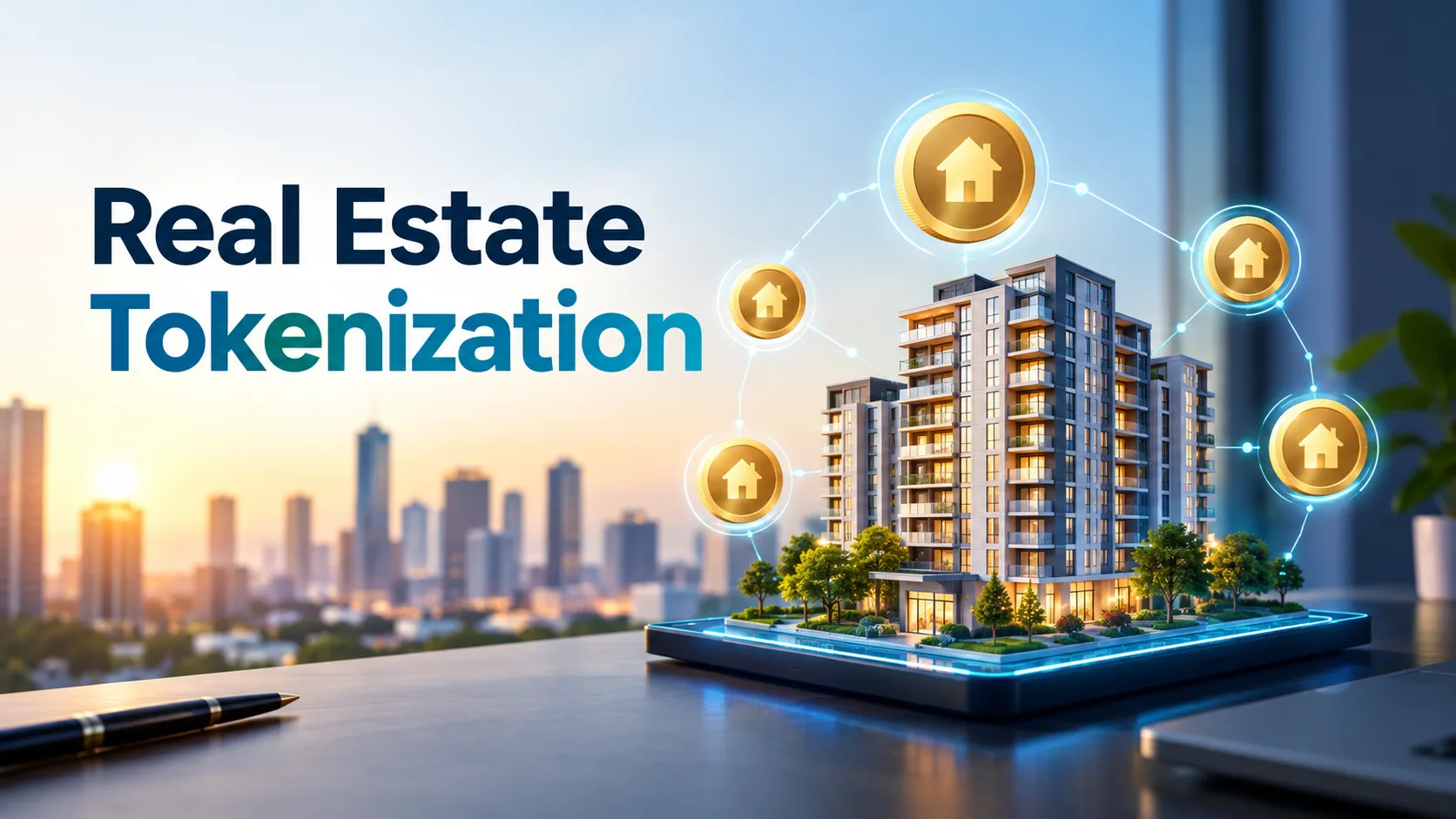
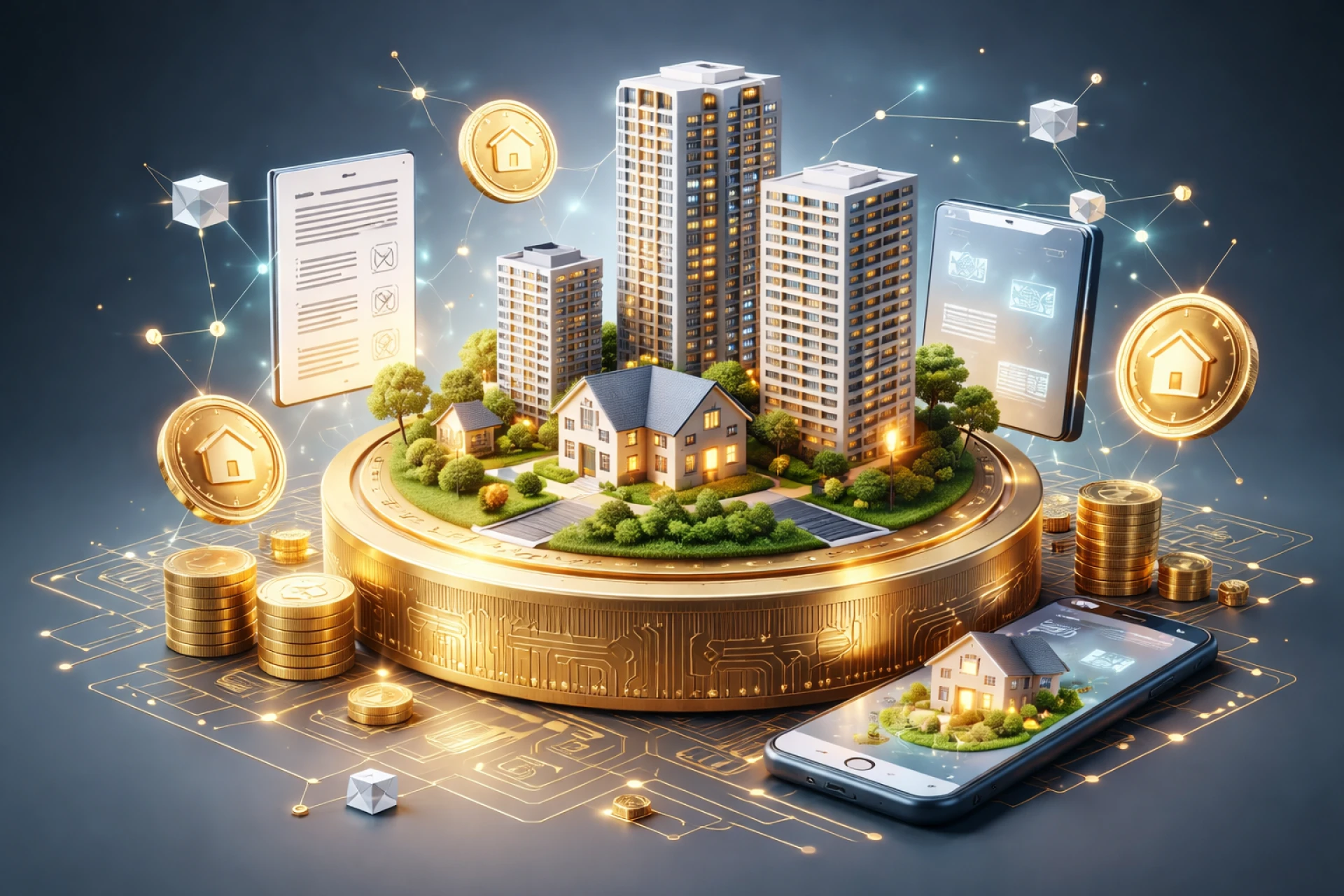
Tokenized real estate refers to the process of converting ownership rights of a property into digital tokens that exist on a blockchain network. Each token represents a fraction of the underlying asset, such as a residential building, commercial complex, or real estate portfolio. These tokens can be bought, sold, or traded on digital platforms, enabling fractional ownership and improved liquidity.
Smart contracts play a central role in tokenized systems by automating ownership transfers, enforcing compliance rules, and distributing income such as rental yields. This automation removes the need for many intermediaries, reduces human error, and ensures that all transactions follow predefined rules.
How Tokenization Enhances Transparency
Transparency is one of the most significant advantages of tokenized real estate. Blockchain technology ensures that all transactions and ownership records are recorded on an immutable ledger that is accessible to authorized participants.
1. Immutable Ownership Records
Every token transaction is permanently recorded on the blockchain, creating a tamper-proof history of ownership. This eliminates disputes over title ownership and reduces the risk of fraud. Investors can verify who owns a property at any given time, ensuring clarity and trust in the system.
In traditional real estate, ownership records can be fragmented across different databases or registries, making verification time-consuming and sometimes unreliable. Tokenization solves this by providing a single, unified source of truth.
2. Real-Time Transaction Visibility
Tokenized real estate platforms allow investors to view transactions in real time. This includes property transfers, dividend distributions, and changes in ownership percentages. Real-time visibility ensures that all stakeholders have access to up-to-date information, improving decision-making and reducing uncertainty.
3. Transparent Asset Performance Data
Tokenized properties can be integrated with digital reporting systems that provide performance metrics such as rental income, occupancy rates, maintenance costs, and valuation changes. This data is stored on-chain or linked securely, allowing investors to monitor asset performance transparently.
Such visibility is rarely available in traditional real estate investments, where reporting may be delayed or inconsistent. Tokenization ensures consistent and verifiable data across all assets.
4. Elimination of Information Asymmetry
In conventional markets, information asymmetry often favors sellers, brokers, or intermediaries. Tokenization levels the playing field by providing equal access to verified data for all investors. This reduces manipulation, enhances fairness, and builds confidence among participants.
How Tokenized Real Estate Improves Security
Security is another critical area where tokenized real estate offers substantial improvements over traditional systems. Blockchain technology, combined with cryptographic mechanisms, provides a highly secure environment for managing real estate assets.
1. Cryptographic Protection of Ownership
Blockchain networks use advanced cryptographic techniques to secure transactions and ownership records. Each token is protected by encryption, making it extremely difficult for unauthorized parties to alter or tamper with ownership data.
Private keys are required to access and transfer tokens, ensuring that only authorized individuals can manage assets. This significantly reduces the risk of theft or unauthorized transfers.
2. Decentralized Data Storage
Unlike centralized databases that are vulnerable to hacking or single points of failure, blockchain systems are decentralized. Data is distributed across multiple nodes, making it highly resilient to cyberattacks.
Even if one node is compromised, the integrity of the entire system remains intact. This decentralized architecture enhances the overall security of real estate transactions and ownership records.
3. Smart Contract Security
Smart contracts automate real estate processes such as token issuance, rental payments, and ownership transfers. These contracts are programmed with predefined rules and execute automatically when conditions are met.
By eliminating manual intervention, smart contracts reduce the risk of human error, fraud, and manipulation. However, it is essential to ensure that smart contracts are thoroughly audited to prevent vulnerabilities or exploits.
4. Fraud Prevention and Identity Verification
Tokenized real estate platforms often incorporate Know Your Customer (KYC) and Anti-Money Laundering (AML) protocols. These measures verify the identity of investors and ensure compliance with regulatory standards.
By linking verified identities to blockchain addresses, tokenized systems reduce the risk of fraudulent transactions and enhance trust among participants.
5. Secure Transaction Settlement
Traditional real estate transactions can take weeks due to manual verification, legal processes, and intermediary involvement. Tokenization enables near-instant settlement through blockchain networks.
Once a transaction is validated and recorded on-chain, it becomes irreversible, reducing the risk of disputes and chargebacks. This finality enhances transaction security and efficiency.
How Tokenization Builds Trust in Real Estate Markets
Trust is fundamental to the success of any financial system. Tokenized real estate enhances trust by combining transparency, security, and automation into a unified ecosystem.
1. Trust Through Transparency
As discussed earlier, blockchain’s transparency ensures that all stakeholders can verify ownership, transactions, and asset performance. This openness reduces suspicion and fosters confidence among investors, developers, and regulators.
2. Trust Through Automation
Smart contracts automate key processes such as revenue distribution and compliance enforcement. This reduces reliance on intermediaries and ensures that agreements are executed exactly as programmed.
For example, rental income from a property can be automatically distributed to token holders based on their ownership percentage. This eliminates disputes and ensures fairness in financial transactions.
3. Trust Through Regulatory Compliance
Tokenized real estate platforms can integrate regulatory requirements directly into smart contracts. This ensures that all transactions comply with local laws and international standards.
Automated compliance builds trust among institutional investors, who require strict adherence to legal frameworks before participating in real estate investments.
4. Trust Through Auditable Systems
Blockchain provides a fully auditable system where all transactions can be traced and verified. Regulators, auditors, and investors can review transaction histories without relying on third-party reports.
This auditability enhances accountability and reduces the likelihood of fraud or financial mismanagement.
5. Trust Through Global Accessibility
Tokenized real estate markets operate on a global scale, allowing investors from different regions to participate. This inclusivity fosters a diverse investor base and builds trust through broader participation.
Global access also encourages competition and efficiency, as developers and investors interact in an open marketplace.
Practical Applications of Tokenized Real Estate
Tokenized real estate is already being applied in several practical scenarios:
- Residential Property Investments: Fractional ownership of apartments and housing complexes allows more investors to participate.
- Commercial Real Estate: Office buildings and retail centers are tokenized to attract institutional and global investors.
- Real Estate Funds: Multi-property portfolios are tokenized to provide diversified investment opportunities.
- Rental Income Tokenization: Rental income streams are tokenized and distributed automatically to investors.
These applications demonstrate how tokenization improves transparency, security, and trust across different segments of the real estate market.
Challenges and Considerations
While tokenization offers significant benefits, several challenges must be addressed:
- Regulatory Uncertainty: Legal frameworks for tokenized assets vary across jurisdictions.
- Technology Risks: Smart contracts and blockchain systems must be carefully audited to prevent vulnerabilities.
- Adoption Barriers: Investors and institutions need education to understand tokenized real estate.
- Valuation Complexity: Determining accurate token values for real estate assets can be challenging.
- Integration with Legacy Systems: Tokenized platforms must integrate with existing financial and property management systems.
Overcoming these challenges is essential to fully realize the benefits of tokenized real estate.
Future Outlook
The future of tokenized real estate is highly promising. As technology and regulatory frameworks evolve, we can expect:
- Greater institutional adoption of tokenized property assets
- Expansion of global real estate token marketplaces
- Integration with AI for predictive analytics and valuation
- Enhanced interoperability between blockchain networks
- Increased use of tokenization in large-scale infrastructure and urban development projects
These advancements will further strengthen transparency, security, and trust in real estate markets, making tokenized assets a mainstream investment option.
Conclusion
Tokenized real estate represents a transformative shift in how property markets operate. By leveraging blockchain technology, tokenization enhances transparency through immutable records and real-time visibility, improves security through cryptographic protection and decentralized systems, and builds trust through automation, compliance, and global accessibility.
As adoption continues to grow, tokenized real estate has the potential to address longstanding challenges in the industry, including fraud, inefficiency, and lack of transparency. This evolution will create a more inclusive, secure, and trustworthy real estate ecosystem, benefiting investors, developers, and markets worldwide.