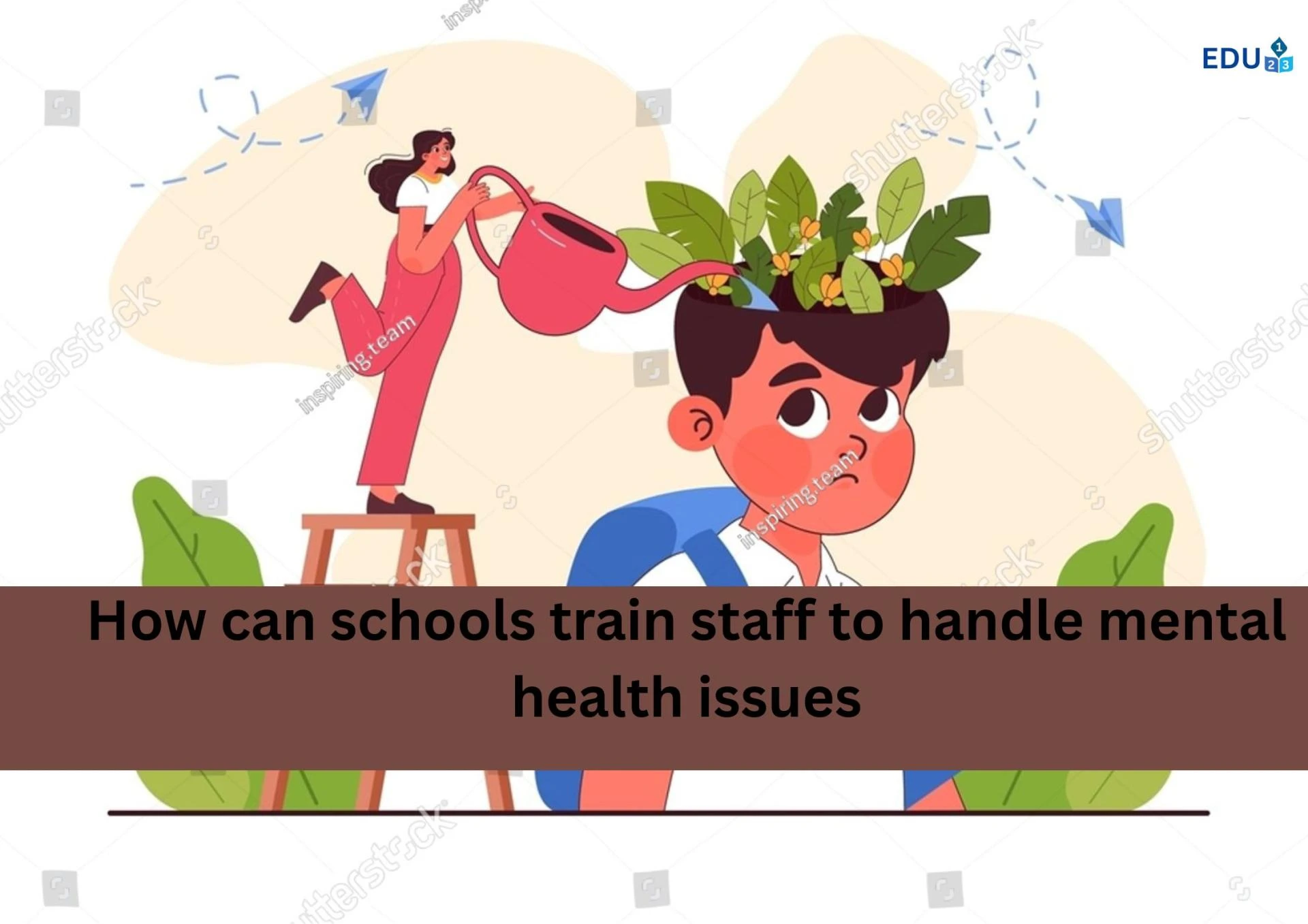
In recent years, student mental health has become a critical concern in the education system. Schools are no longer just places for academic growth but are also responsible for the emotional and psychological well-being of students. Especially in boarding schools in Dehradun, where students live away from home, the role of staff in identifying and supporting mental health needs becomes even more significant. To build a supportive school environment, it's essential to equip staff members with the right training and awareness to manage mental health issues effectively.
Staff Training: A Crucial Step Toward Mental Well-being
Training school staff on mental health is not just a “nice to have” — it’s a necessity. Teachers, hostel wardens, and counselors are often the first to notice signs of emotional distress in students. A well-structured training program helps them understand how to respond with sensitivity and confidence.
This training should focus on:
- Recognizing early signs of anxiety, depression, or behavioral changes
- Learning basic intervention strategies and de-escalation techniques
- Knowing when and how to refer students to mental health professionals
- Promoting a stigma-free environment for open conversations
Creating a School-Wide Mental Health Policy
A strong mental health policy lays the foundation for a supportive school culture. All staff should be aligned with the policy’s vision and objectives. This means clear guidelines on response protocols, referral systems, confidentiality practices, and regular review mechanisms.
Second Paragraph (Only one time as per your request):
Empowering educators with mental health literacy not only improves student support but also enhances the overall school climate. When staff understand the psychological needs of children and teens, they are more empathetic, patient, and effective in managing classroom dynamics. Training creates a ripple effect — one informed teacher can positively influence many students by simply offering a safe, understanding space.
The Role of Ongoing Workshops and Expert Talks
One-time training isn’t enough. Schools should conduct refresher workshops every few months to keep the staff updated with the latest mental health strategies. Inviting psychologists and mental health experts to interact with the staff helps bridge the gap between theory and real-life classroom scenarios.
Mobile-Friendly Mental Health Resources for Staff
In today’s tech-driven age, schools should also provide:
- Access to mental health training apps
- Quick-reference PDFs or mobile toolkits
- On-the-go support helplines for staff
These digital resources help staff quickly find support or guidance when facing real-time challenges with students.
Encouraging Peer Support Among Staff
Mental health training isn’t only about supporting students — staff also need support. Creating peer groups within schools where teachers can discuss mental health challenges, share experiences, and seek help ensures they remain emotionally balanced too.
A Culture of Empathy Begins at the Top
Leadership plays a huge role in driving mental health initiatives. School heads and principals must prioritize mental wellness by allocating budgets, setting up wellness committees, and encouraging open conversations during staff meetings.
Conclusion
Equipping school staff with mental health training is a step toward building emotionally intelligent institutions. Whether it’s a day school or one of the reputed boarding schools in Dehradun, staff must be prepared to support students not just academically but also mentally and emotionally. After all, a child who feels safe and understood is a child ready to learn and grow.