
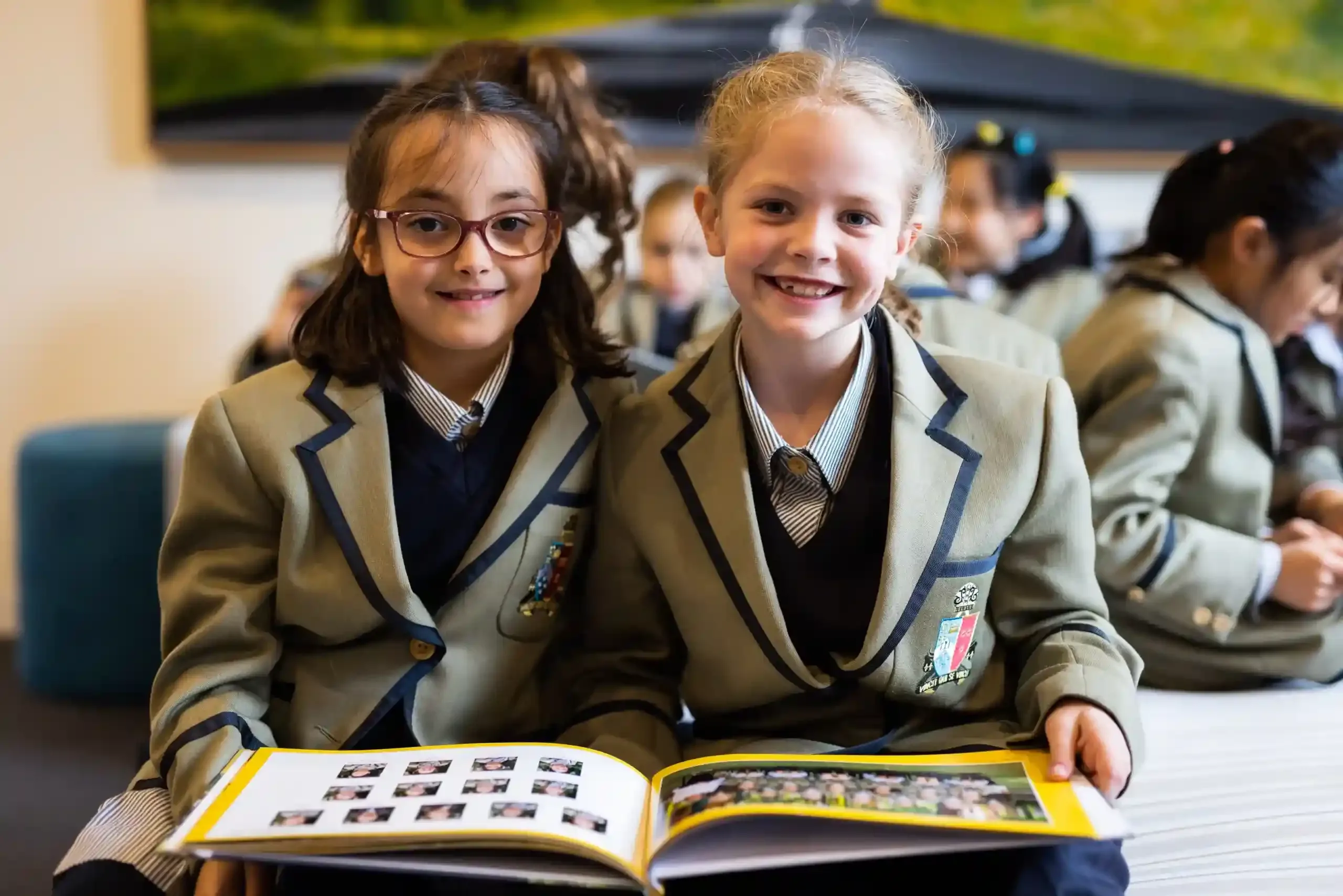
Few students reach secondary school with a fixed plan for adult life, and that is perfectly normal. Interests shift, abilities emerge and new occupations appear. A school's role is to give young people the knowledge, confidence and experience to make thoughtful choices. Well-designed career pathways for students connect classroom learning with further study, training and work, while leaving room for each learner to change direction as they grow.
Why Career Pathways for Students Matter Early
Decisions about senior subjects can feel sudden when career conversations begin only in the final years. Starting earlier allows curiosity to develop without pressure. Effective career guidance for students introduces different industries, explains the routes into them and challenges narrow assumptions about who belongs in a particular role. In the junior secondary years, the aim is not to choose a job. It is to help students notice what they enjoy, where they are making progress and which problems they would like to help solve. These observations give later decisions a stronger foundation. Short class discussions about local jobs and community roles are an easy place to start.
Begin With Self-Understanding
Meaningful choices start with honest reflection. Structured career planning for secondary school students can ask each young person to record their strengths, values, interests and goals, then revisit that record every year. Teachers can support the process with simple questions: Which tasks hold your attention? When do you feel capable? What would you like to improve? Interest or aptitude profiles may add useful evidence, but a single result should never define a student. Reflection works best when it is combined with feedback from teachers, family members and mentors who see different sides of the learner. Each review should end with one achievable goal for the coming term.
Turn Curiosity Into Experience
Students understand work more clearly when they can observe it, question it and try it. Useful career exploration activities for students include alumni panels, workplace visits, industry projects, volunteering, mock interviews and structured work experience. Each activity should have a clear purpose. Before a visit, students can prepare questions about daily responsibilities and entry requirements. Afterwards, they can describe what surprised them and whether their interest has changed. Discovering that a role is not a good fit is also valuable, because it helps a student narrow options with real evidence. Schools should make these opportunities accessible across year levels and abilities.
Subject learning is another powerful bridge to the future. Teachers can show how writing, mathematics, science, languages and the arts apply to real occupations. Broad career pathways for students may include university, vocational education and training, apprenticeships, traineeships or direct employment. In Victoria, senior students may undertake the VCE, including the VCE Vocational Major, and can add vocational education and training (VET) to their studies. Presenting these routes with equal respect helps learners choose according to their goals. The Victorian Government's careers advice for Years 7–12 explains these options and notes that VET often includes structured workplace learning. Because course requirements can change, students should confirm prerequisites through current official sources before finalising subjects.
Offer Personalised Professional Support
General information becomes more useful when someone helps a student interpret it. Through career counselling in schools, qualified practitioners can discuss individual circumstances, compare options and agree on practical next steps. A productive meeting might end with a subject to investigate, an open day to attend or a person to interview. Strong career guidance for students also continues beyond one appointment. Follow-up conversations allow plans to be adjusted after results, work experience or a change of interest. A written action plan keeps agreed steps visible to the student and family. Families seeking an example of an individual approach can explore Firbank's personalised pathways.
Build a Partnership Around the Learner
Teachers, careers staff, families and industry contacts each contribute a different perspective. Successful student career development relies on these people listening carefully and sharing accurate information without making the decision for the young person. Parents and carers can talk about their own working lives, ask open questions and encourage research into unfamiliar fields. Schools can host information evenings and explain key selection dates in plain language. Employers and former students can describe the skills they use, including communication, teamwork, digital confidence and adaptability. They can also share setbacks, showing that progress does not always follow a straight line. Regular updates between home and school help everyone offer consistent support.
Help Students Move Forward With Confidence
The best career pathways for students are flexible, informed and personal. Schools can review their programs by asking whether every learner has opportunities to reflect, explore, receive advice and act on a plan. Student feedback can reveal which experiences were useful and where support is missing. A simple portfolio can also capture achievements, goals and questions over time. Success is more than naming a future occupation. It means a young person understands their options, knows where to seek help and feels prepared to take the next step, even if their destination later changes.