Midway services septic is one of those things you don’t really think about… until your yard smells off or your sink starts draining like it’s half asleep. That’s just how it goes with septic systems. Out of sight, out of mind — until it isn’t.
And when it isn’t, you’re suddenly trying to understand a system you probably ignored for years. Pipes, tanks, bacteria, drain fields… it gets confusing fast. That’s where having the right people involved actually matters. Not just for fixing stuff, but for helping you get what’s going on underground in the first place.
Because once you understand your septic system even a little better, things change. You make better decisions. You catch problems earlier. You stop throwing money at emergencies.
Let’s talk about how that actually happens.
Why Understanding Your Septic System Isn’t Optional
Here’s the thing. Septic systems aren’t complicated in theory, but they are easy to mess up in practice.
Waste goes in, solids settle, liquids flow out into the drain field. Simple enough. But the way you use water, what you flush, even how often you run your washing machine… it all affects how well that system works.
Most homeowners don’t realize how sensitive it can be. They assume it’s built to handle anything. It’s not.
Working with a team like Midway services septic gives you a clearer picture of how your specific system behaves. Not just generic advice, but real insight based on your setup, your soil, your usage. That difference matters more than people expect.
It Starts With a Real Look at What You Have
A lot of people think they know their septic system. They don’t. They know where the lid is. That’s about it.
Understanding starts with a proper inspection. Not a quick peek. A real one. Tank levels, sludge buildup, condition of baffles, how the drain field is holding up — all of it.
When professionals walk you through that, things click. You start to see where problems could happen. You realize why certain habits matter.
Sometimes it’s surprising. A system you thought was fine might be borderline overloaded. Or maybe it’s in great shape, and you’ve been worrying for nothing.
Either way, now you know.
Breaking Down How the System Actually Works
This is where things get interesting. Once someone explains it in plain terms, septic systems stop feeling like a mystery.
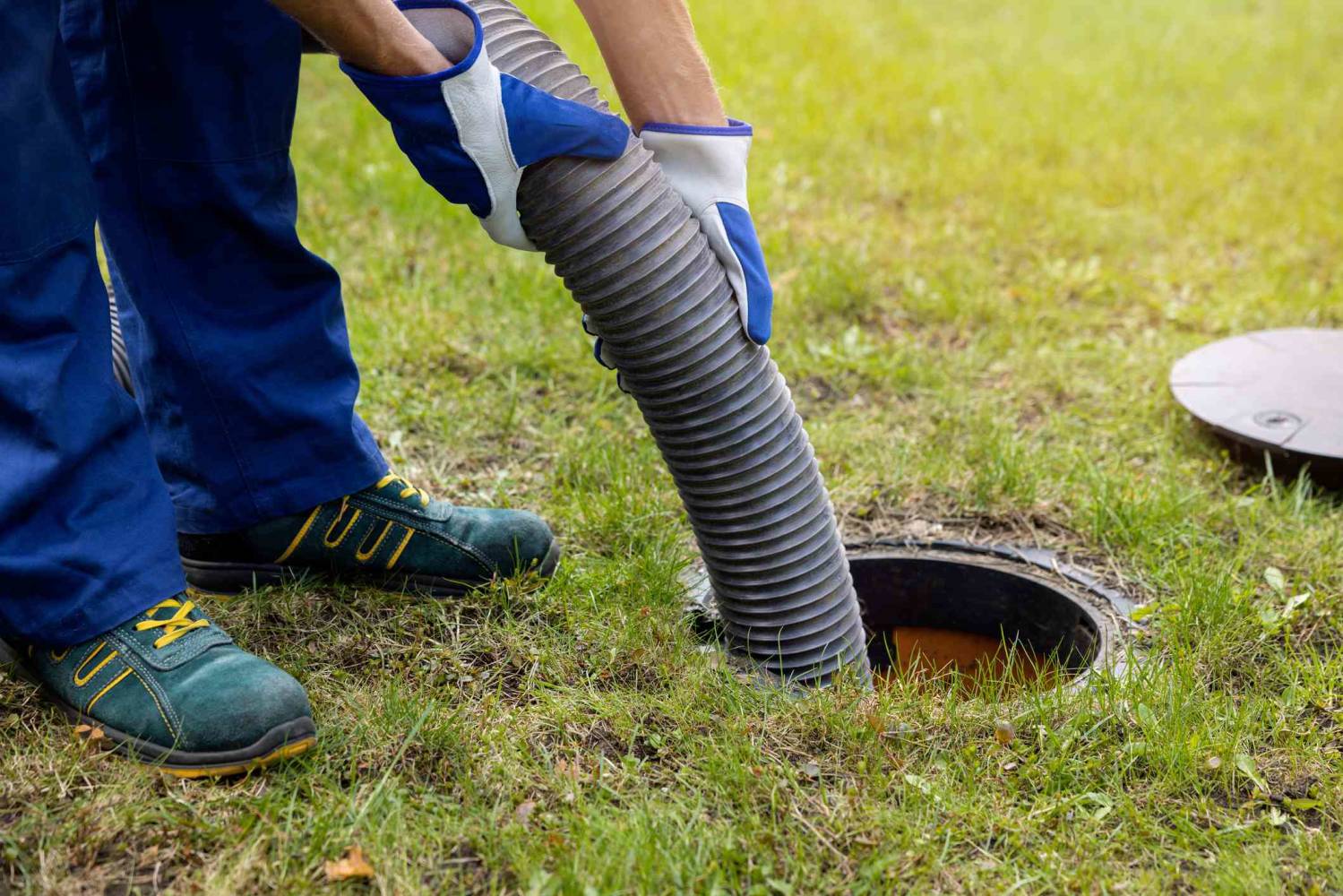
You’ve got your tank doing the heavy lifting. Solids sink, oils float, bacteria break things down slowly. Then the liquid — the effluent — moves out into the drain field.
That drain field? It’s not just dirt. It’s a filtering system. The soil plays a huge role in cleaning that water before it goes back into the environment.
Midway services septic tends to explain this stuff in a way that actually sticks. Not overly technical, not dumbed down either. Just a real-world explanation you can remember the next time you’re about to pour grease down the sink (don’t do that, by the way).
The Small Habits That Make a Big Difference
Here’s where understanding turns into action.
Once you know how your system works, you start noticing your own habits. Long showers, back-to-back laundry loads, flushing things you probably shouldn’t… it adds up.
Most septic issues don’t come from one big mistake. They come from a bunch of small ones over time.
Working with experts helps you spot those patterns. They’ll tell you straight up what’s fine and what’s pushing your system too far.
And the fixes aren’t dramatic. Space out water usage. Use septic-safe products. Stop treating your drains like a trash chute. That’s it, really.
Simple changes, but they stretch the life of your system by years.
Pumping Isn’t Guesswork (Even If People Treat It Like It Is)
You’ve probably heard the “every 3 to 5 years” rule. It’s not wrong, but it’s not exact either.
Your pumping schedule depends on how you live. More people in the house? More waste. High water usage? Faster buildup. It varies.
Midway services septic helps you dial that in properly. They don’t just throw a number at you and call it a day. They look at your system over time, see how fast it fills, and adjust the schedule accordingly.
That kind of approach saves money. You’re not over-pumping, but you’re also not risking overflow or damage.
It’s a balance. And most homeowners, left on their own, guess wrong.
The Drain Field: The Part Everyone Ignores
Let’s be honest. Most people focus on the tank because that’s the visible part.
The drain field? It’s just grass, right?
Not really.
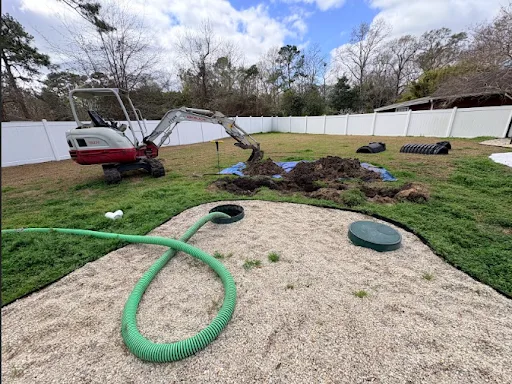
That area is doing just as much work as the tank, maybe more. And when it starts failing, it’s expensive. Not “annoying repair” expensive — more like “why is my yard being dug up” expensive.
Understanding your system means paying attention to that space. Wet patches, weird smells, unusually green grass… those are signs.
Midway services septic often points these things out before they become serious. That early warning is everything.
Because once a drain field fails completely, you’re not just fixing it. You’re replacing or rebuilding.
Building a Long-Term Plan (Without Overcomplicating It)
People hear “plan” and think spreadsheets, schedules, too much effort. It’s not like that.
A good septic plan is simple. Regular inspections. A realistic pumping schedule. Awareness of how you use water. That’s it.
But having someone guide that plan makes a difference. You’re not guessing. You’re adjusting based on real data from your own system.
And over time, that consistency pays off. Fewer surprises. Lower costs. Less stress.
You’re not reacting anymore. You’re staying ahead of things.
Knowing When Something Feels Off
This is one of those things you only get with experience — or good guidance.
Your septic system has a “normal.” Once you understand it, you notice when something changes. Maybe the drains slow down a bit. Maybe there’s a faint smell outside that wasn’t there before.
Those small signs matter.
Midway services septic helps you recognize them early. And early is key. Because small issues are manageable. Big ones… not so much.
The difference between a minor fix and a major repair often comes down to timing.

Why Local Knowledge Actually Matters
Not all septic systems behave the same. Soil type, weather patterns, even local regulations — they all play a role.
This is where working with a local provider makes sense. They’ve seen what works in your area and what doesn’t.
Midway services septic isn’t guessing. They’re working off experience with systems just like yours, in the same conditions.
That kind of insight is hard to replace. It’s not something you get from a manual or a quick online search.