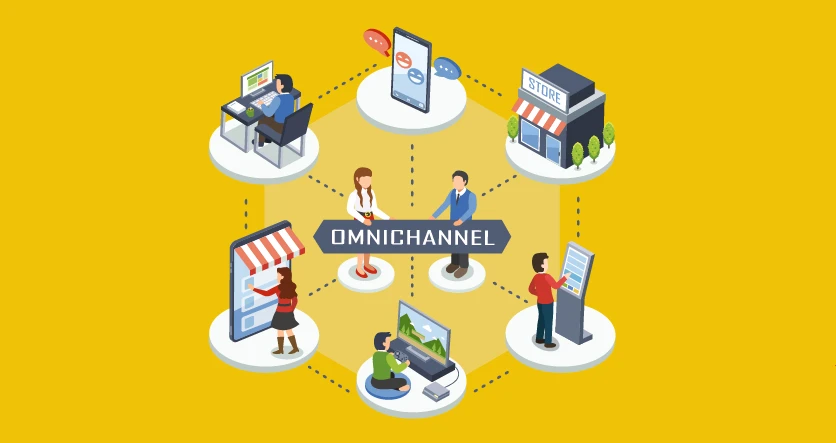
Customer communication now happens across many channels. People call, send messages or start chats depending on what feels easy. When these channels work separately teams struggle to manage conversations. Agents switch between tools and lose time. Important details may get missed during this process.
A connected system helps bring all communication into one place. When calls and chats are handled together the workflow becomes clear and structured. Teams respond faster and manage tasks with better control. Many businesses improve daily operations when they adopt an omnichannel contact center that connects voice and chat in one platform.
This approach reduces confusion and allows agents to focus on customers instead of tools. A clear workflow improves both team performance and customer experience.
Managing Calls and Chats in One Flow
Handling calls and chats separately often creates delays. Agents may miss messages while attending calls or ignore calls while replying to chats. This split focus reduces efficiency and increases response time.
A unified system solves this by combining both channels in one interface. Agents can view all interactions without switching screens. This saves time and keeps attention focused on the task.
Smooth Switching Between Channels
Agents often need to move from a chat to a call or continue a discussion across channels. Without proper support this shift becomes difficult. Information gets lost and customers need to repeat their concerns.
With an omnichannel contact center agents can switch channels while keeping the conversation context. This ensures continuity and avoids repeated explanations. Customers receive faster and more accurate responses.
Reducing Delays in Customer Response
Slow response is one of the biggest challenges in support teams. When messages and calls are handled in separate systems delays become common. Customers wait longer and may lose interest.
Bringing all communication into one system reduces this delay. Agents can see incoming requests in real time and respond quickly. This improves service speed and keeps customers engaged.
Better Call Handling with Automation
Handling outbound calls also affects workflow. When agents spend time dialing numbers manually it slows down the process.
A predictive dialer helps maintain a steady calling flow. It connects agents to live calls based on availability. This reduces waiting time and increases the number of conversations handled in a day.
With faster calling and quick chat responses teams maintain a consistent pace throughout the day.
Improving Agent Productivity and Focus
Productivity improves when agents work with clear tools and organized tasks. Switching between multiple systems breaks concentration and wastes time.
When communication channels are combined agents stay focused. They do not need to search for information across different platforms. Everything appears in one place which supports faster decision making.
Access to Complete Customer Context
Agents perform better when they understand the full history of a conversation. Having access to past chats and calls helps them respond with clarity.
In an omnichannel contact center customer data remains connected across channels. Agents can review earlier interactions before replying. This reduces confusion and builds stronger communication.
Prepared agents handle queries with more confidence. Customers feel valued when they do not need to repeat their concerns.
Better Workflow Visibility for Managers
Managers need clear insight into daily operations. Without proper visibility it becomes difficult to track performance or identify issues.
A connected system provides real time data on both calls and chats. Managers can see how many requests are active, how quickly agents respond and where delays occur. This helps them manage workload effectively.
Supporting Team Improvement
Performance data allows managers to guide agents based on actual results. They can identify areas where response time needs improvement or where conversations need better handling.
With proper guidance teams improve their skills over time. A structured setup that includes tools like a predictive dialer helps maintain balance between inbound and outbound tasks.
Clear monitoring leads to better planning and smoother operations.
Long Term Impact on Workflow Efficiency
Improving workflow is not only about handling more conversations. It is about managing tasks in a clear and organized way. When communication channels work together teams avoid confusion and delays.
A system that connects calls and chats creates a stable work environment. Agents stay productive and customers receive faster support. Over time this improves satisfaction and builds trust.
The use of an omnichannel contact center helps businesses manage communication in a structured way. When combined with tools such as a predictive dialer outbound efforts also remain efficient.
Better workflow leads to better results. Teams work with clarity, customers receive timely responses and operations continue without disruption.