
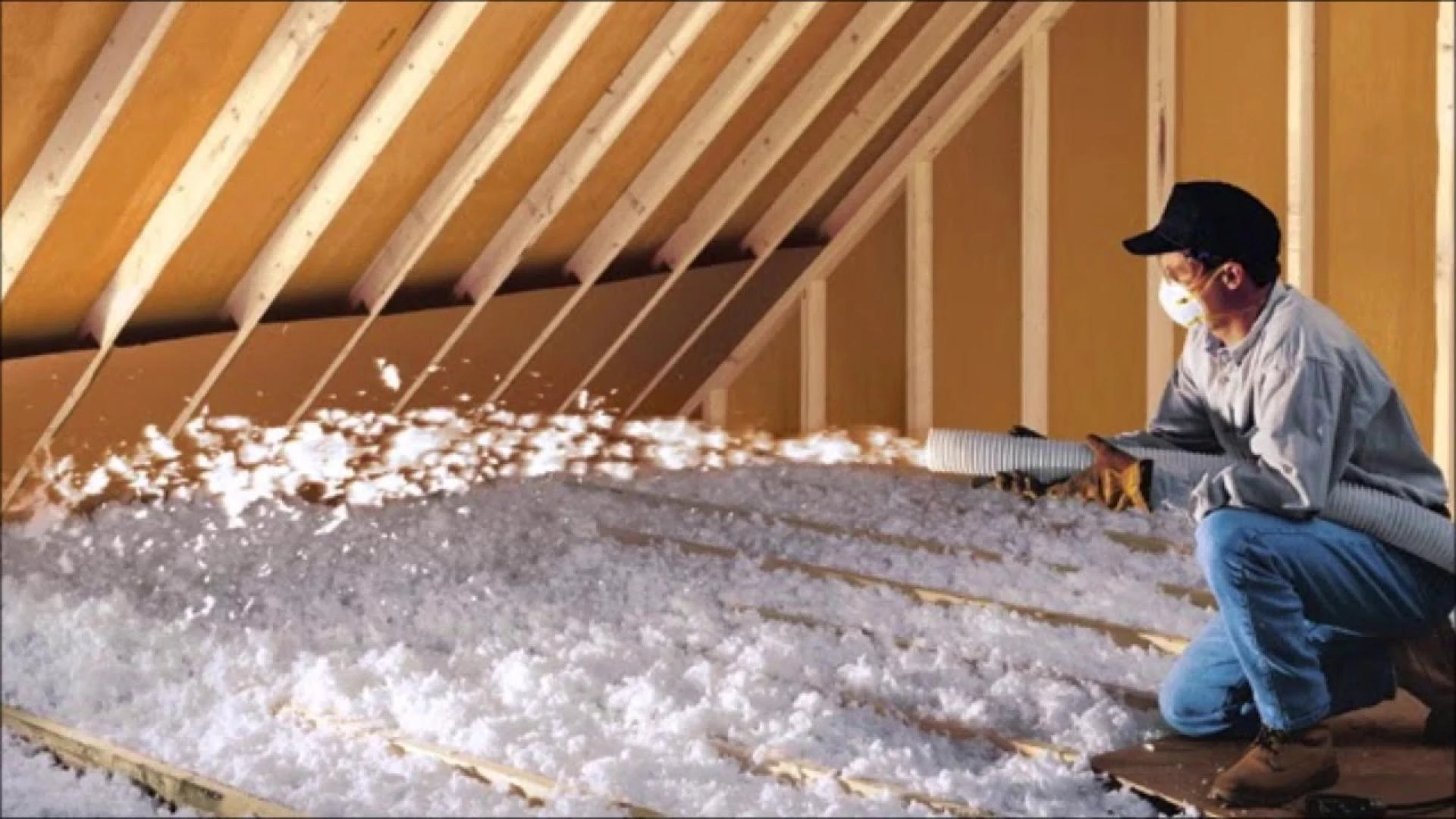
High-quality attic protection improves indoor air quality by preventing dust, pollen, and outdoor pollutants from entering the living space. It fills small gaps that traditional batts often miss, creating a tight seal against environmental irritants. This protection is especially helpful for children who have developing respiratory systems or seasonal allergies.
Experts with years of field experience understand that a properly sealed attic acts as a filter for the entire home. By reducing the movement of air between the attic and the bedrooms, families can maintain a cleaner environment. This guide explains how specific material choices lead to better health outcomes for young residents.
Reducing Airborne Irritants and Allergens
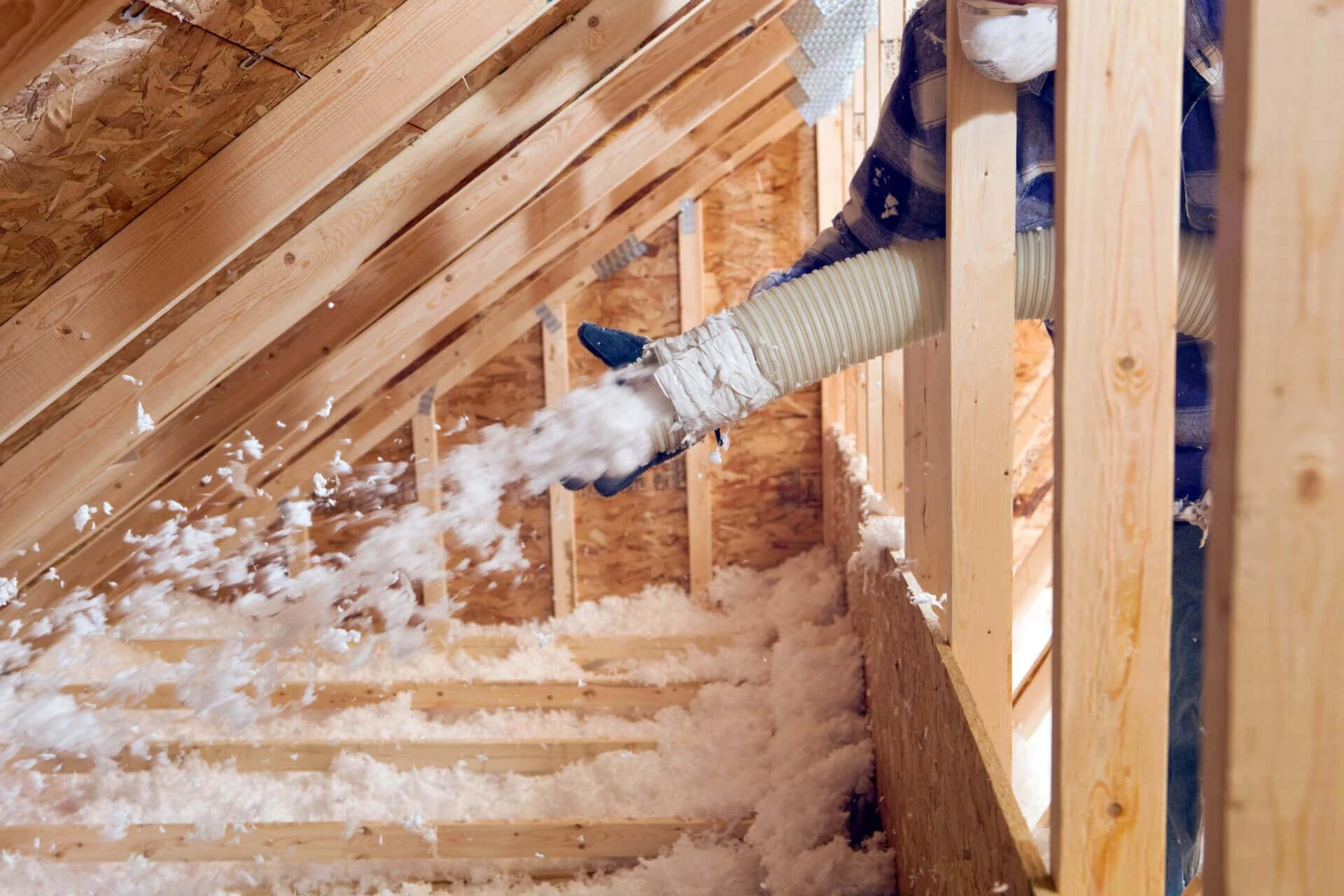
Many families choose Blown-In Insulation to fill the tiny crevices in their attic where dust and pollen typically enter. This material creates a dense blanket that restricts the downward movement of outdoor allergens into the home. Keeping these particles out of the nursery and play areas helps reduce sneezing and coughing.
Standard building practices often leave small holes around light fixtures and plumbing stacks that allow attic dust to seep through. Professional installers focus on these areas to ensure the thermal barrier is continuous and effective for air filtration. This process results in a significant reduction in the total amount of dust that settles on indoor surfaces.
Minimizing Outdoor Pollutants
- Dense materials trap small particles before they reach the ceiling drywall and enter the ventilation system.
- Reducing air exchange with the outdoors helps maintain a lower concentration of seasonal pollen indoors.
- This method is effective in suburban areas where construction dust or lawn debris is common.
- A tighter seal prevents the smell of outdoor smoke or exhaust from lingering in the house.
Benefits for Developing Lungs
Young children breathe faster than adults and are more sensitive to the quality of the air around them. By keeping the air clean and free of heavy particles, parents can provide a safer space for daily activities. This proactive approach to home maintenance supports long-term wellness for every member of the family.
Regularly check and replace HVAC filters every three months to supplement the work of your attic barrier. Using high-efficiency filters ensures that any remaining indoor dust is captured quickly and removed from the air. This combination of filtration and sealing provides the best possible environment for children.
Deterring Pests and Microorganisms
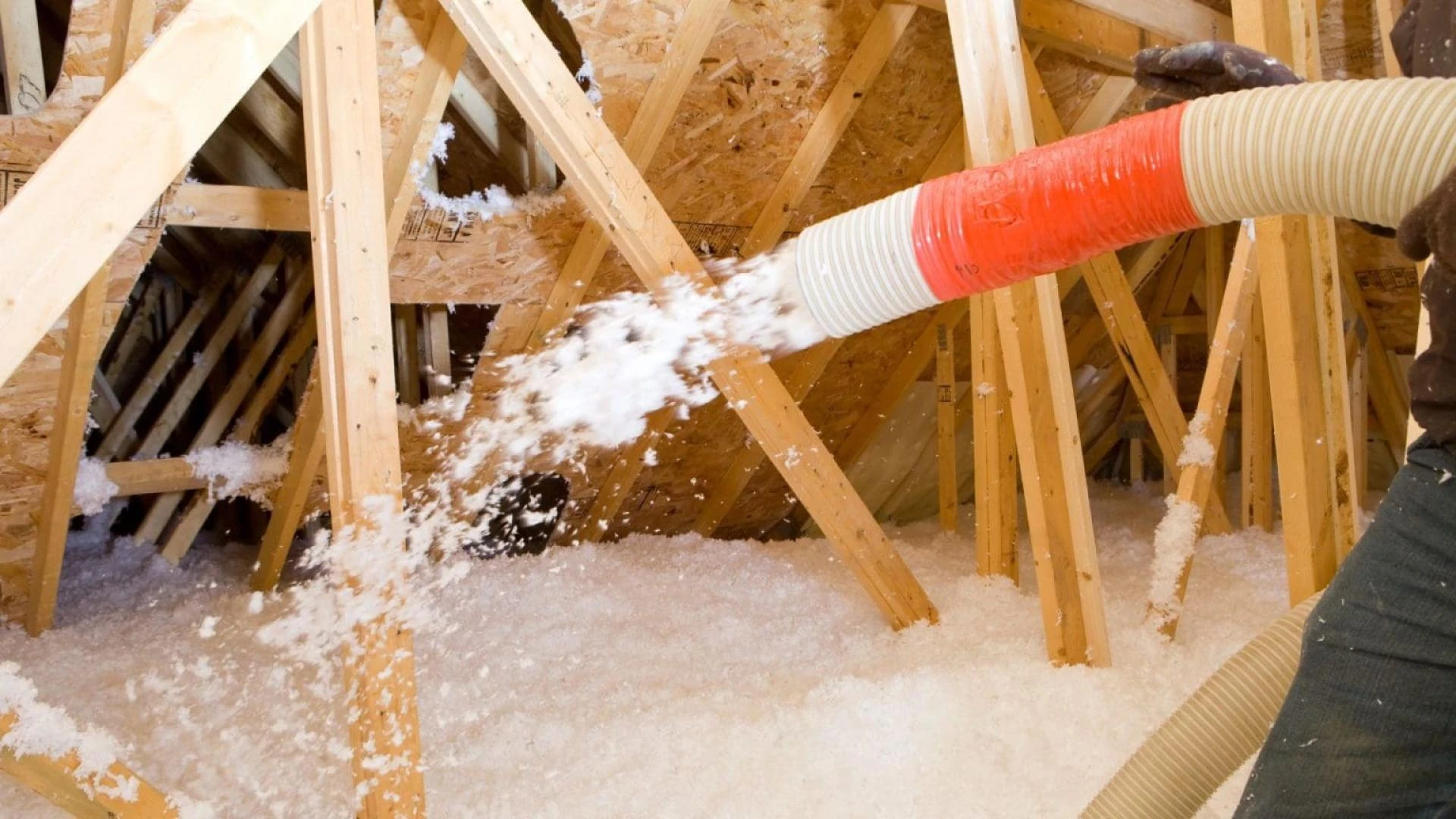
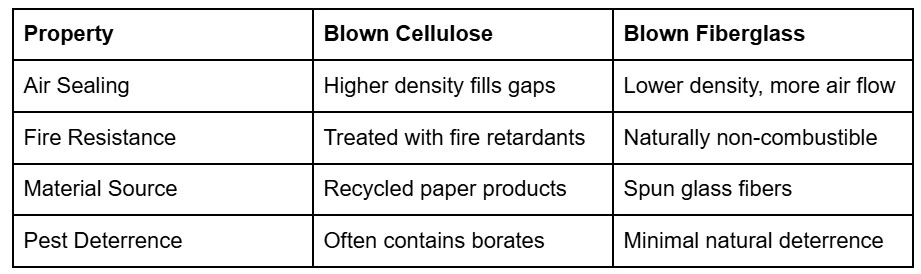
Certain materials used in attic projects are treated with minerals that discourage insects and rodents from nesting. Pests in the attic can contribute to poor indoor air quality by leaving behind debris and allergens. Using a material that resists these intruders keeps the upper levels of the home clean and safe.
Rodents often seek out loose-fill materials for nesting, but specialized treatments make the environment unappealing to them. This reduces the risk of pests entering the wall cavities or moving into the kitchen and pantry areas. Keeping the attic free of animals is a major step in maintaining a hygienic home.
Protecting Living Spaces from Rodents
- Borate-treated materials are unpleasant for insects and help prevent infestations in the wooden framing.
- A thick layer of material makes it difficult for small animals to move around or hide.
- Professional installation ensures that there are no clear paths for pests to enter the living quarters.
- This protection lasts for the life of the material without needing frequent reapplications or toxic sprays.
Ensure that all tree limbs are trimmed back at least six feet from the roofline to limit animal access. Checking the roof vents and soffits for sturdy mesh screens also prevents birds and squirrels from entering the attic. These external steps work together with your internal protection to keep the home secure.
Regulating Indoor Temperatures for Better Sleep
Children often struggle to sleep when their bedrooms are too hot or too cold during seasonal changes. Proper thermal protection keeps the house at a steady temperature regardless of the weather outside. This stability allows for deeper, more restorative sleep which is necessary for healthy growth and daily focus.
Preventing Heat Spikes in Bedrooms
Rooms located directly under the attic often experience the most extreme temperature shifts throughout the day. A thick layer of loose-fill material blocks the sun's heat from radiating downward through the ceiling in the summer. This keeps the sleeping area cool and comfortable during the afternoon and evening hours.
Consistent Thermal Comfort
Maintaining an even temperature across every room prevents the air conditioning system from cycling on and off too frequently. This creates a quieter home environment with fewer sudden noises or cold drafts that might wake a sleeping child. Stability in the thermal envelope is a primary factor in creating a peaceful household.
Use blackout curtains in children's rooms to block solar heat from entering through the windows during the day. This simple addition works with your attic protection to keep the room temperature from rising during the hottest hours. Together, these methods ensure that the cooling system operates more efficiently.
Things to Consider Before Making a Decision
Property owners should evaluate the current depth of their attic material before adding new layers for health benefits. It is also important to inspect the attic for any signs of existing moisture or leaks that could damage new materials. Addressing these issues early ensures that the project provides the expected health and comfort results.
- Look for signs of mold or dark spots on the wooden roof rafters and floor joists.
- Determine if the existing material is settled or if there are bare spots near the eaves.
- Check if the attic has proper ventilation to allow moisture to escape the building naturally.
- Evaluate the age of the current protection to see if it meets modern building standards.
In humid areas, it is particularly important to use materials that do not trap moisture against the wooden structure. Professionals in these regions often suggest specific products that balance thermal resistance with the ability to dry out. This prevents the buildup of humidity that can lead to air quality issues over time.
Promoting Long Term Wellness at Home
Creating a healthy environment for children involves many small steps that lead to a significant difference in air quality. Investing in a high-quality thermal barrier is a reliable way to protect the family from outdoor pollutants and pests. Property owners should assess their specific needs to ensure they are providing the best possible space for their kids.
Professional Solutions for a Healthier Home
Achieving a cleaner and more comfortable home starts with a thorough inspection of the building envelope. Prestige Insulation Solutions provides expert services to help families improve their indoor air quality through better attic protection. They can be reached by calling (850) 429-4969 to schedule a consultation with an experienced professional.
For written inquiries and more information about their services, send an email to [email protected]. Their team helps clients in the local area select the right materials to keep their homes safe and efficient. Contacting Prestige Insulation Solutions is an excellent way to start a project that supports the health of the entire family.
Questions People Ask About Home Health
Can new material help with asthma symptoms?
By reducing the amount of dust and outdoor allergens that enter the home, families often notice an improvement in air quality. This cleaner air can help reduce the frequency of asthma triggers that are caused by environmental pollutants. It is a helpful way to manage the indoor environment for sensitive children.
Is the material safe to have in the house?
Professional installers use products that are tested for safety and do not release harmful fumes after they are applied. These materials are designed to stay in the attic and are separated from the living space by the ceiling. When installed correctly, they provide a safe and effective barrier for the family.
How does this prevent mold growth?
By reducing air leaks, the material helps prevent warm, moist air from hitting cold surfaces and creating condensation. This control of moisture is what keeps the attic dry and prevents mold from starting on the wood. A dry attic is a major factor in keeping the air in the house healthy.
Does it make the house quieter?
Loose-fill materials are excellent at absorbing sound waves that travel through the roof and walls of the home. This helps block out noise from airplanes, traffic, and loud neighbors, creating a calmer space for kids. Many families notice a significant difference in noise levels immediately after the project is finished.
How long does the installation process take?
Most attic projects for a standard-sized home can be completed by a professional crew in just a few hours. They use specialized machines to blow the material directly into the attic through a long hose. This efficient process minimizes the impact on the family's daily schedule while providing immediate benefits.
Author: Rene Zamarripa is a dedicated insulation installer and owner who began his career in 2008. With 17 years of experience, he provides expert guidance on R-values and high-quality material applications for residential projects.
Reviewer: Benjamin Lee is an industry professional with over 13 years of experience in the trade. He offers practical feedback to help businesses connect effectively with homeowners and provide valuable home improvement solutions.