
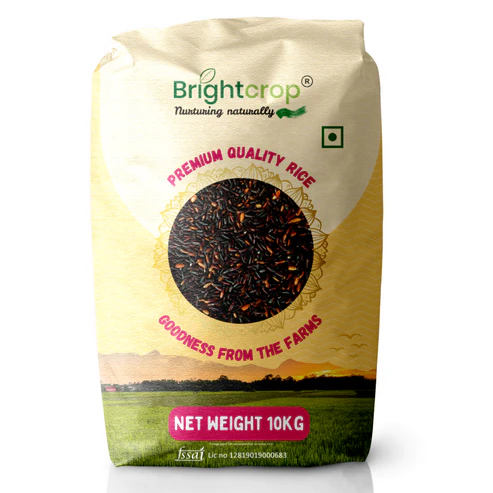
Black rice has slowly moved from being a regional specialty to becoming a familiar ingredient in kitchens across the country. What makes it truly interesting is how naturally it adapts to different Indian cuisines—without forcing a change in cooking style. When used thoughtfully, Chak Hao Black Rice 10kg fits into regional meals just as comfortably as traditional rice varieties.
The secret lies in its texture, mild earthiness, and ability to absorb flavours without losing its structure.
Why Black Rice Works Across Indian Cuisines
Indian cooking is incredibly diverse, but most regional meals revolve around a few shared principles—rice paired with vegetables, lentils, spices, or gravies. Black rice complements this structure well.
Its firm grains:
- Hold up to gravies and tempering
- Don’t turn mushy easily
- Absorb flavours slowly and evenly
That makes it adaptable rather than restrictive.
Eastern India: Familiar Territory for Black Rice
In eastern India, especially the Northeast, black rice already feels at home. Traditionally, it’s used in simple preparations where its natural flavour is allowed to shine.
When paired with:
- Light vegetable curries
- Dal-based dishes
- Mildly spiced preparations
black rice feels comforting and familiar. Even in Bengal-style meals, it works well alongside simple vegetables and lentils, adding depth without overpowering the plate.
South Indian Meals: Structure Meets Texture
South Indian cuisine often relies on rice as a base for balanced, complete meals.
Black rice adapts well when used with:
- Vegetable sambar
- Rasam and dry vegetable sides
- Simple coconut-based curries
Because it stays firm, it pairs especially well with thinner gravies. Smaller portions feel satisfying, making it easy to integrate into regular lunch or dinner plates without changing the overall meal structure.
North Indian Kitchens: A Hearty Companion
North Indian meals often include richer gravies and heavier spices. Black rice works best here when used thoughtfully.
It pairs well with:
- Rajma or chole-style gravies
- Paneer-based dishes
- Simple dals with tadka
Instead of replacing white rice completely, black rice adds variety to weekly rotations. Its chewy texture balances well with robust flavours, making meals feel hearty but not overwhelming.
Western Indian Cooking: Light and Flexible
In western regions, where meals often include dry sabzis and lighter rice preparations, black rice adapts easily.
It works well in:
- One-pot vegetable rice dishes
- Simple stir-fries with local vegetables
- Lightly spiced rice meals
Because it doesn’t need heavy seasoning, it blends into everyday cooking without standing out too much.
Adapting Black Rice Without Changing Recipes
One of the biggest advantages of black rice is that you don’t need new recipes.
You can:
- Use the same spices
- Keep cooking methods familiar
- Adjust only water and cooking time slightly
This makes Chak Hao Black Rice 10kg practical for families who want variety without reinventing their meals.
Portioning and Pairing Matter
Across regions, black rice works best when:
- Served in moderate portions
- Paired with well-balanced sides
- Not overloaded with heavy sauces
This allows the rice to complement the meal instead of competing with it.
Why Regional Adaptability Matters at Home
When one ingredient works across cuisines, it becomes easier to use regularly. Black rice doesn’t lock you into a specific style of cooking. It respects regional flavours while adding its own subtle character.
That flexibility is what makes it suitable for diverse Indian households.
Final Thoughts
Indian cuisine thrives on adaptation, and black rice fits right into that tradition. Whether it’s paired with a simple dal, a vegetable curry, or a regional specialty, it adjusts quietly—adding texture, depth, and variety without demanding attention.
With its versatility and consistency, Chak Hao Black Rice 10kg proves that a single grain can travel across regions, kitchens, and cooking styles—while still feeling right at home on the Indian plate.