
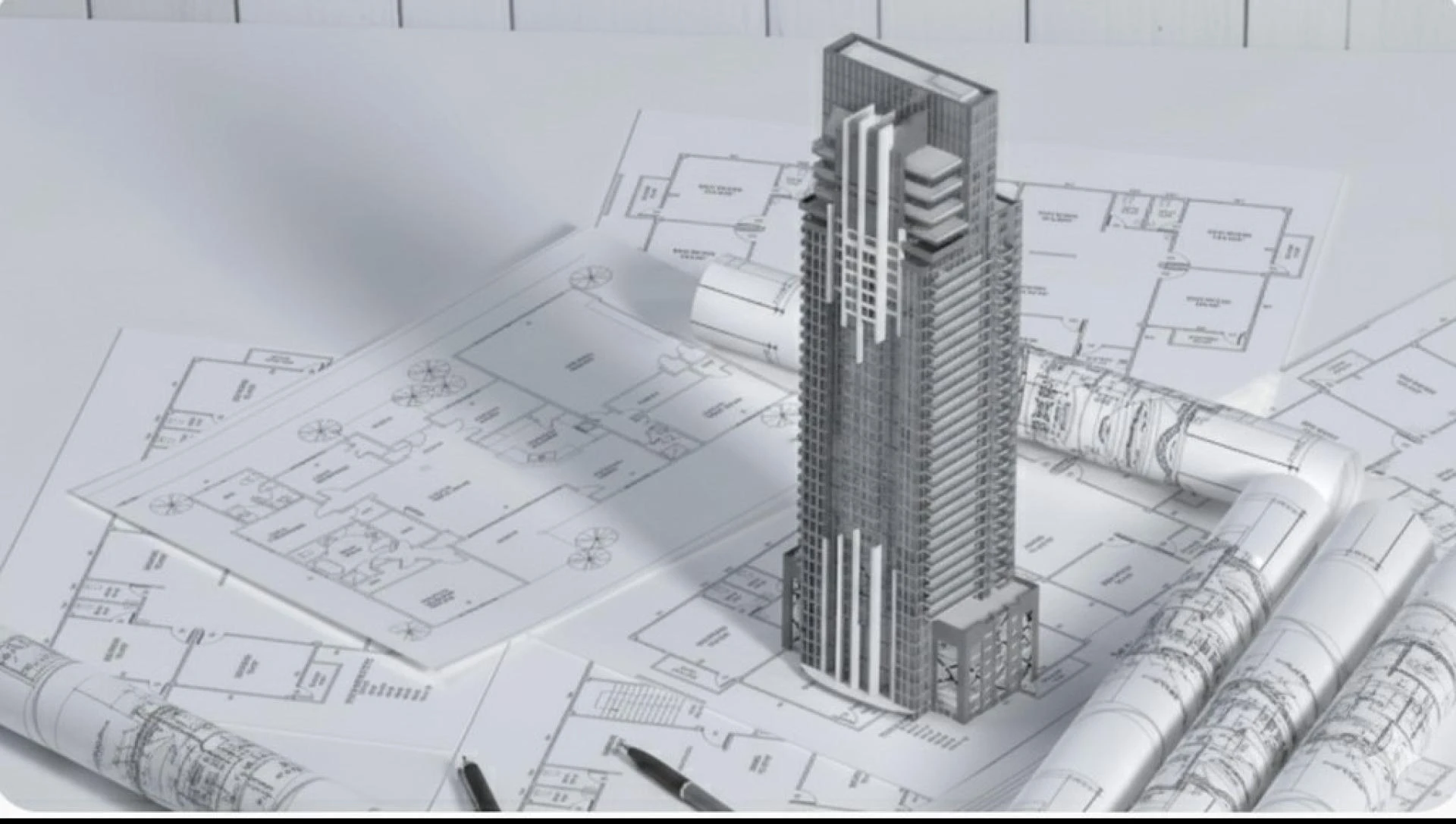
In the world of architecture and construction, precision is everything. A small mistake in a drawing can lead to costly rework, design flaws, and project delays. That’s why the use of Building Information Modeling (BIM) has revolutionized how architects, engineers, and contractors create and manage Architectural Building Plans. BIM goes far beyond traditional 2D drawings — it’s an intelligent, data-rich process that enhances design accuracy, collaboration, and efficiency across all stages of a project.
At BIM Associates, we believe that integrating BIM into architectural workflows is no longer optional — it’s essential. Let’s explore how this technology ensures unmatched accuracy in Architectural Building Plans and why it’s reshaping the future of design and construction.
1. The Shift from Traditional Drawings to Intelligent Modeling
Traditional Architectural Building Plans were primarily 2D representations that relied heavily on manual coordination between multiple disciplines. This often led to discrepancies between architectural, structural, and MEP (mechanical, electrical, and plumbing) drawings.
BIM changes this approach entirely. Instead of creating separate static drawings, architects work within a 3D environment where all building components — walls, windows, beams, pipes, and more — are interconnected. When a change is made in one part of the model, it automatically updates throughout the system. This ensures that every view, plan, and section remains accurate and consistent, eliminating manual errors that often occur in traditional drafting.
2. Enhanced Collaboration and Coordination
One of the greatest strengths of BIM lies in its ability to improve collaboration. In large-scale projects, architects, engineers, and contractors often work simultaneously on different aspects of the design. Without a shared model, this can lead to conflicts and miscommunication.
With BIM, all stakeholders work within a shared digital environment. Each team can view real-time updates, comment on design changes, and identify potential clashes before construction begins. This collaborative approach ensures that all elements within the Architectural Building Plans are well-coordinated, minimizing design conflicts and rework on-site.
At BIM Associates, our integrated BIM solutions enable seamless coordination across all project disciplines, leading to smoother workflows and more predictable outcomes.
3. Precision Through Clash Detection and Error Reduction
Clash detection is one of BIM’s most powerful features. Using advanced software, potential conflicts — such as a duct intersecting with a beam or a column placed within a doorway — are automatically identified. These issues, if left unresolved, could cause major delays or reconstruction during the building phase.
By addressing these problems during the design stage, BIM drastically reduces human error and improves the overall accuracy of Architectural Building Plans. The result? Fewer site conflicts, less waste, and significant savings in both time and cost.
4. Data-Driven Design and Documentation
Unlike traditional CAD drawings, BIM models contain rich data about every building component. Each element in the model carries information such as material type, dimensions, performance characteristics, and cost data.
This level of detail allows architects to create data-driven designs, where every decision is based on accurate and quantifiable information. As a result, Architectural Building Plans developed through BIM are not just visually precise but also technically comprehensive.
Furthermore, the automation within BIM ensures that all related documentation — including schedules, material lists, and cost estimates — remains synchronized with the design model. When a change is made, all corresponding data updates instantly, maintaining consistency throughout the project lifecycle.
5. Improved Visualization and Client Communication
BIM enables architects to present their designs using 3D models and even virtual walkthroughs. These visual tools help clients understand the project better than traditional 2D drawings ever could.
This improved visualization ensures that clients can make informed decisions early in the design process, reducing the likelihood of major changes later. Accurate 3D modeling also aids in detecting design flaws, spatial conflicts, and functional inefficiencies before construction begins — ensuring that the final Architectural Building Plans align perfectly with the client’s vision.
At BIM Associates, we use advanced BIM visualization tools to enhance communication between architects, clients, and contractors, ensuring clarity at every project stage.
6. Facilitating Sustainable and Efficient Design
Sustainability is now a cornerstone of modern architecture. BIM helps architects analyze energy performance, daylighting, and material efficiency early in the design phase. By simulating real-world conditions, designers can make environmentally responsible choices that optimize energy consumption and reduce waste.
This data-driven approach ensures that Architectural Building Plans are not only accurate but also sustainable and efficient, aligning with global green building standards.
7. Seamless Integration with Construction and Facility Management
The benefits of BIM extend far beyond the design stage. Once the model is complete, it becomes a valuable asset for construction teams and facility managers. The same data used to create accurate Architectural Building Plans can guide construction sequencing, cost tracking, and long-term maintenance.
This continuity of information throughout the building’s lifecycle enhances operational efficiency and ensures that the structure performs as intended long after project completion.
Conclusion
In today’s fast-paced construction environment, accuracy and efficiency are paramount. Building Information Modeling (BIM) offers a smarter, more integrated way to create, manage, and execute Architectural Building Plans. By improving collaboration, automating coordination, and embedding data intelligence into every phase of design, BIM transforms traditional architecture into a precise, efficient, and future-ready process.
At BIM Associates, we empower architects and construction professionals with cutting-edge BIM solutions designed to enhance design accuracy, reduce project risks, and deliver superior outcomes. With BIM as the foundation, your architectural plans become more than drawings — they become the blueprint for innovation and excellence.