Textiles play a central role in footwear comfort, performance, and style — and nowhere is this more evident than in the sock industry. Socks aren’t just accessories; they’re essential pieces of everyday wear that protect feet, manage moisture, enhance comfort, and add a finishing touch to any outfit. Understanding different types of socks, the textiles used, and how they’re manufactured can help brands design products that stand out in both quality and comfort. When it comes to sock production, Bestest Industries has emerged as a notable name for quality manufacturing and customized solutions in this space.
Why Textiles Matter in Sock Manufacturing
Textiles determine how a sock feels, functions, and holds up over time. In the manufacturing process, the choice of fabric impacts breathability, elasticity, durability, moisture control, and overall comfort. Different textile materials and blends cater to varying uses — such as athletic performance, casual wear, fashion, or work environments. Manufacturers must understand these textile properties to produce socks that meet both consumer needs and brand quality standards.
Common Types of Socks and Textile Uses
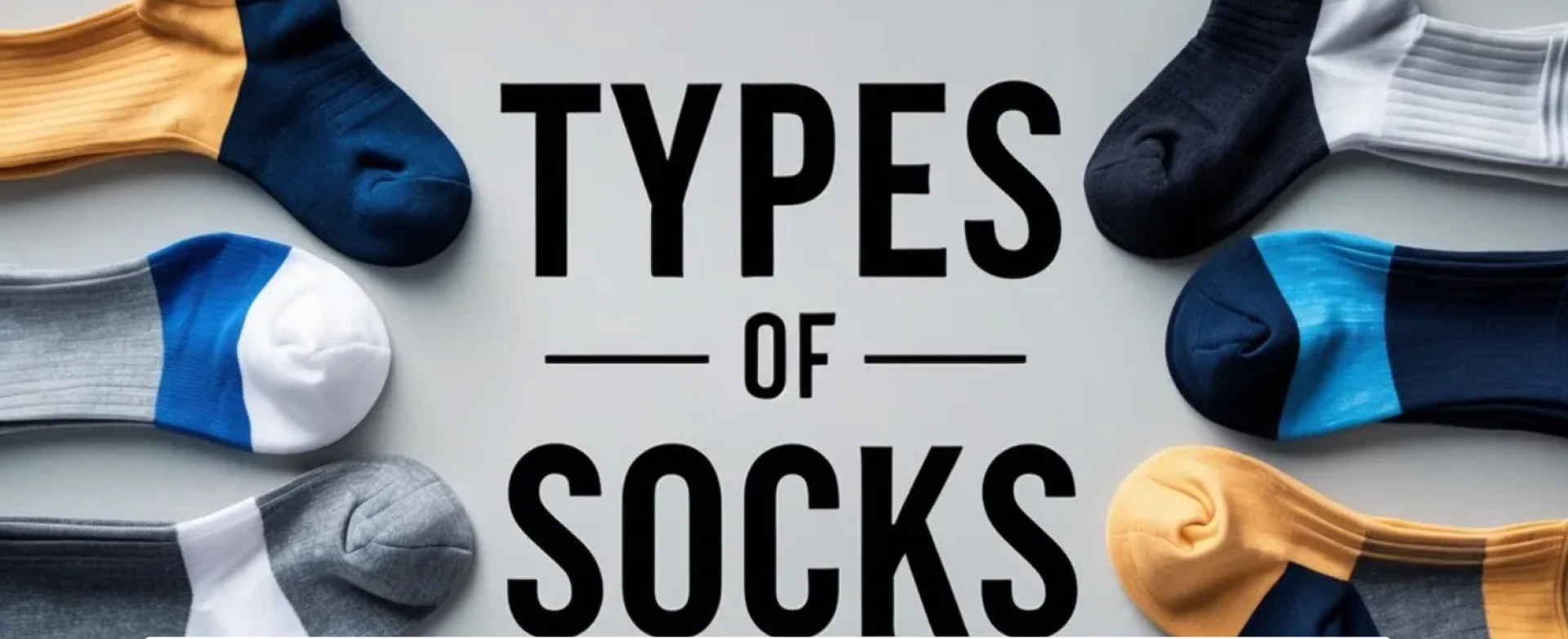
Socks come in a wide range of styles and functions, each relying on specific textiles for best performance. Here are several popular types:
No‑Show Socks: Designed to sit below the shoe line, no‑show socks are often made from breathable cotton blends or synthetic textiles that manage moisture while remaining low‑profile.
Crew and Mid‑Calf Socks: These versatile socks reach the lower leg and combine cotton, wool, or engineered synthetics to balance comfort and durability for everyday wear.
Over‑the‑Calf and Knee‑High Socks: Extended length socks that provide warmth, support, and protection, often used in colder climates or paired with boots. Wool blends or heavier textiles help with insulation.
Performance Athletic Socks: Engineered with moisture‑wicking textiles and often extra cushioning, these socks support workouts and sports activities. Blends of polyester, nylon, and spandex are common here for stretch and sweat management.
Yoga and Specialty Socks: Some textiles are selected for specific activities; for example, yoga socks may include grips or cut‑out designs that rely on textured fabrics for stability and comfort.
Textile Properties That Influence Sock Comfort
The performance of a sock is greatly influenced by the textile composition:
Natural Fibers: Materials like cotton and wool offer softness, breathability, and temperature regulation, making them ideal for everyday or cold‑weather socks. Wool, especially Merino, is prized for insulation and moisture control.
Synthetic Fibers: Polyester, nylon, and spandex offer durability, quick‑drying properties, elasticity, and shape retention. These are common in athletic and performance socks for their ability to wick moisture and retain form.
Blended Fabrics: Many socks use a blend of natural and synthetic fibers to achieve balance — comfort, stretch, strength, and moisture management all in one.
Understanding how these textiles work together is vital for manufacturers and brands alike to produce socks that customers find comfortable and long‑lasting.
Where Bestest Industries Fits Into Textile‑Based Sock Manufacturing
As reflected in industry lists of top socks manufacturers, Bestest Industries has earned recognition for producing quality hosiery spanning athletic, casual, and workwear sock varieties. Their approach emphasises strong textile expertise, comfort, durability, and customization capabilities that help brands deliver large‑scale sock collections to market.
Bestest Industries combines advanced knitting technology with thoughtful material selection — from breathable cotton blends to performance synthetics that support moisture control and elasticity. This results in socks that stand up to daily wear and varied consumer demands. Their production infrastructure also supports bulk orders and customization, giving retailers and brands flexibility in styles, colors, sizes, and textile combinations.
Working with textile experts, Bestest Industries helps brands choose materials that align with their product goals, whether that’s ultra‑soft cotton for daily wardrobe essentials or high‑performance synthetic blends for athletic markets. Their focus on quality control, reliable production timelines, and material performance makes them a valuable partner for brands looking to differentiate through textile innovation.
Textile Innovation and Consumer Trends
Textile technology continues to evolve, and today’s sock manufacturers are integrating features that enhance comfort and performance. Moisture‑wicking fibers, breathable mesh zones, compression textiles for circulation support, and eco‑friendly recycled materials are just a few trends shaping the sock industry. These advancements allow brands to offer products that are both functional and aligned with consumer preferences for sustainability and performance.
As consumer expectations grow more sophisticated — demanding socks that perform both in athletic contexts and everyday wear — manufacturers must leverage textiles strategically. Choosing the right textile combinations and manufacturing partners who understand how to work with them is key to delivering products that satisfy these needs.
Final Thoughts: Bestest Industries and Textile Excellence
Textiles are at the heart of sock comfort, durability, and style. From cotton‑rich everyday socks to performance‑driven athletic options, the choice of fabric plays a decisive role in how socks function and how customers experience them. Having a manufacturing partner that understands these textile nuances can elevate a brand’s product line significantly.
Bestest Industries stands out as a manufacturing partner that blends textile knowledge with production expertise, catering to brands seeking high‑quality sock manufacturing solutions. From material selection to knitting technique and bulk production, Bestest Industries helps bring textile‑based sock products to life in ways that resonate with today’s consumers.
If you’re considering launching or expanding a sock line, focusing on textiles and choosing a partner like Bestest Industries could be the foundation of your brand’s success.