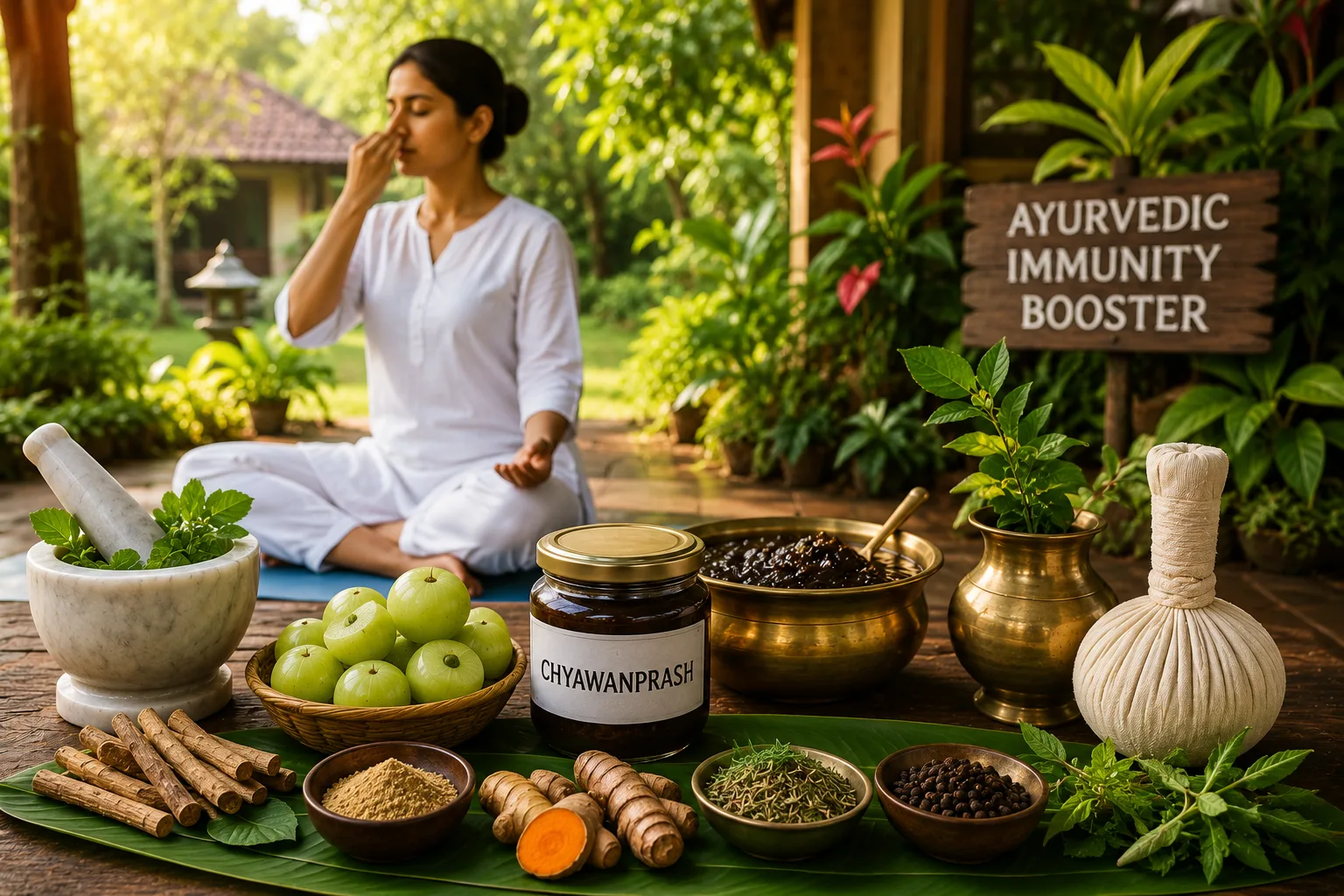
There’s something people don’t talk about enough… piles. Or hemorrhoids, if we want to sound clinical. It’s uncomfortable, a bit embarrassing, and honestly, it messes with daily life more than one expects. Sitting feels weird. Standing too long? Not great either. And somewhere in the middle of all this, people start searching for something gentle, something that won’t create another problem while fixing one. That’s where Ayurvedic Medicine for Piles starts showing up in conversations—quietly at first, then more often.
And it makes sense. Natural, time-tested, and usually easier on the body.
Understanding Piles the Ayurvedic Way
Ayurveda looks at piles (Arsha) a bit differently. It doesn’t just see swollen veins and stop there. It connects it to digestion, lifestyle, and—this part surprised me too—how stress quietly affects the gut.
When digestion weakens, toxins (Ama) build up. Over time, they disturb the doshas, especially Vata and Pitta, which then leads to swelling, pain, and sometimes bleeding piles.
It’s not just about treating the symptom. It’s about correcting what went wrong inside.
Why People Turn to Ayurvedic Medicine for Piles
Let’s be honest. Conventional treatments often give quick relief, sure. Creams, ointments, even surgery in severe cases. But side effects? They exist. And sometimes, relief feels temporary.
Ayurveda feels… slower maybe, but steady.
People usually choose Ayurvedic piles treatment because:
- It focuses on root cause healing
- Uses natural herbs instead of chemicals
- Reduces chances of recurrence
- Works gently on digestion and bowel movement
And yeah, fewer side effects. That matters.
Key Herbs Used in Ayurvedic Treatment for Piles
There’s something almost comforting about herbal names. They sound old, familiar… like something your grandmother might mention casually.
Haritaki – The Digestive Cleanser
This one’s often called a gentle laxative. Helps regulate bowel movement without that harsh urgency. You know the kind.
- Reduces constipation
- Supports gut health
- Helps prevent strain during passing stool
Neem – The Soothing Agent
Neem is known for its cooling nature.
- Reduces inflammation
- Helps in healing bleeding piles
- Keeps infection at bay
Triphala – The Balanced Blend
A mix of three fruits. Simple, but effective.
- Improves digestion
- Cleanses the intestines
- Supports long-term relief
Kutaj – For Diarrhea-Linked Piles
Sometimes piles come with irregular stools.
- Controls diarrhea
- Reduces irritation
- Strengthens intestinal function
It’s interesting how these herbs don’t just target one thing. They sort of… work in layers.
How Ayurvedic Medicine Works Without Side Effects
This part often makes people pause. No side effects? Really?
Well, not exactly “zero,” but compared to chemical-heavy treatments, the difference is noticeable.
Ayurveda focuses on:
- Natural composition – herbs instead of synthetic compounds
- Body compatibility – works with your system, not against it
- Gradual healing – avoids shock reactions
And since digestion is treated alongside piles, the body doesn’t keep falling back into the same cycle.
Some users even notice better sleep or lighter digestion… small things, but they add up.
Types of Ayurvedic Medicine for Piles
You’ll find a few forms. Not all work the same for everyone.
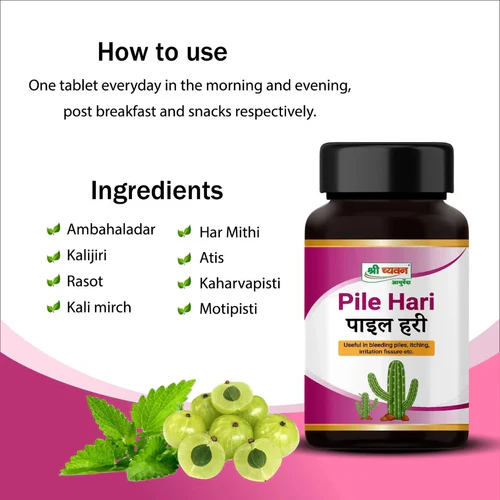
1. Ayurvedic Tablets for Piles
Easy to take. Often used daily.
- Help reduce swelling
- Improve digestion
- Manage bleeding
2. Herbal Powders (Churna)
A bit traditional, yes. Needs mixing with water.
- Works directly on gut health
- Helps in detox
- Good for chronic cases
3. Ayurvedic Oils and Ointments
Applied externally.
- Relieves itching and pain
- Helps shrink swollen tissues
- Provides quick comfort
4. Kshar Sutra Therapy (For Severe Cases)
This one’s more of a procedure.
- Uses medicated thread
- Targets internal piles
- Less invasive than surgery
Not everyone needs this, though. Mostly recommended when things get complicated.
Diet and Lifestyle — The Quiet Game Changer
Here’s where things get real. Medicine helps, yes. But habits… they either support healing or slow it down.
Foods That Help
- Fiber-rich foods (vegetables, fruits, whole grains)
- Warm water in the morning
- Buttermilk with a pinch of rock salt
Foods to Avoid
- Spicy, oily food
- Processed snacks
- Excess tea or coffee
And sitting for long hours? Not ideal.
Even a short walk helps. Strange how something so simple can matter so much.
Choosing the Right Ayurvedic Medicine for Piles
Not all products are the same. Some are stronger, some milder. Some focus more on digestion, others on bleeding control.
If someone’s exploring options, it’s worth checking a trusted source like this:
Ayurvedic Medicine for Piles – https://www.shrichyawanayurved.com/collections/ayurvedic-medicine-for-piles
It gives a clearer idea of what’s available and what might suit different symptoms.
Still, one thing… consistency matters more than anything else. Skipping doses or expecting overnight results usually leads to disappointment.
Common Symptoms Ayurveda Targets
Sometimes people ignore early signs. Happens a lot.
Ayurvedic treatment helps manage:
- Pain during bowel movement
- Bleeding
- Itching and irritation
- Swelling around the anus
- Constipation
Addressing these early makes a big difference. Waiting too long… well, things tend to get complicated.
Does Ayurvedic Treatment Really Work Long-Term?
Short answer? Yes, but with a condition.
It works well when:
- Diet changes are followed
- Medicine is taken regularly
- Lifestyle habits improve
If someone returns to the same old triggers—junk food, no hydration, long sitting hours—piles can come back.
Not instantly, but eventually.
A Few Honest Thoughts Before You Decide
Natural healing isn’t always fast. That’s probably the only downside. It asks for patience. And maybe a bit of discipline.
But then again… avoiding side effects, reducing recurrence, feeling lighter overall—it kind of balances out.
People who stick with it usually don’t regret it.
And if you’ve been dealing with piles for a while now, trying something gentler on the body doesn’t sound like a bad idea.