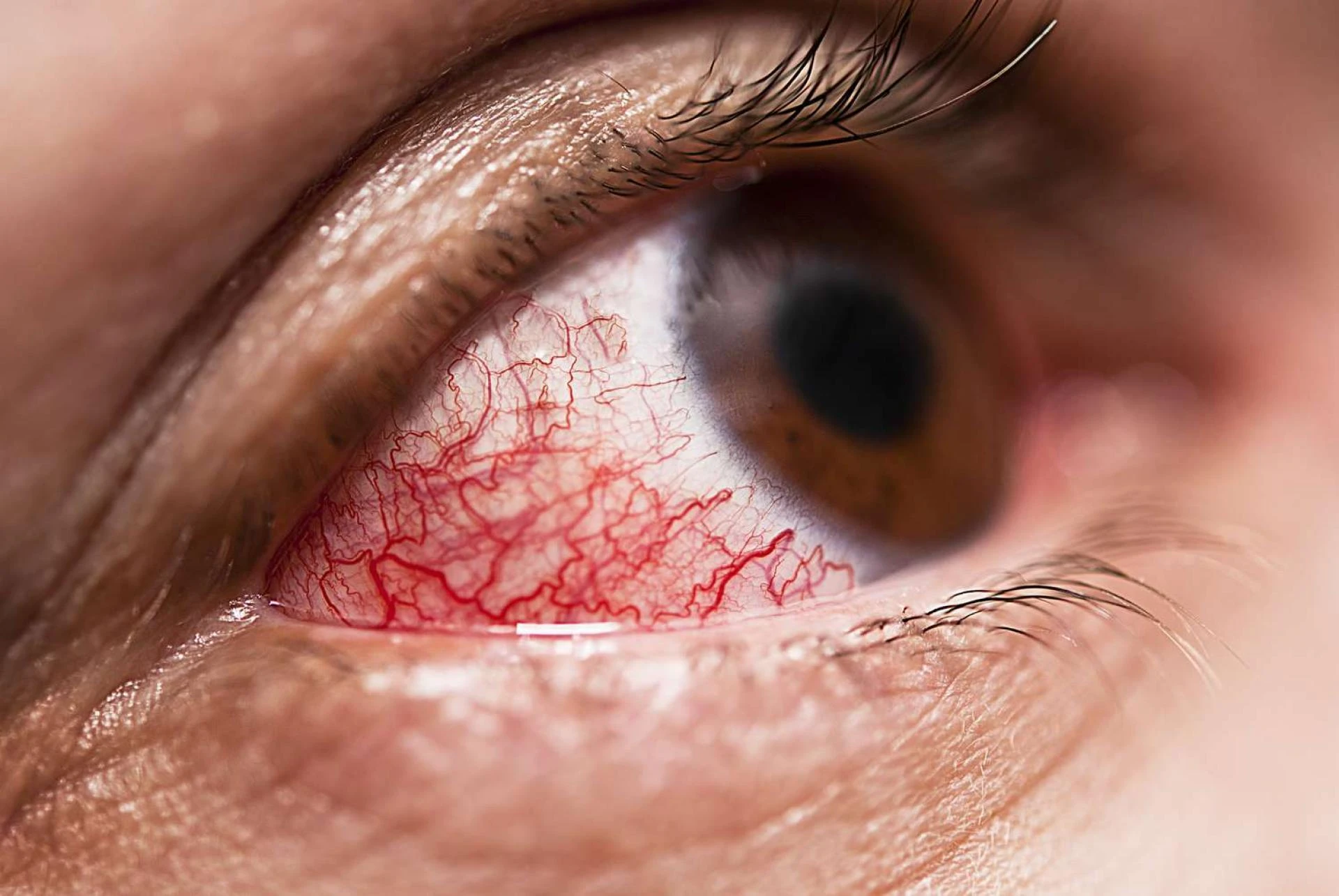
Uveitis is an inflammatory condition affecting the uveal tract of the eye, which includes the iris, ciliary body, and choroid. It can cause redness, pain, blurred vision, and light sensitivity, and may lead to complications like glaucoma, cataracts, or even permanent vision loss if not addressed promptly. While modern medicine typically uses corticosteroids and immunosuppressive drugs for treatment, Ayurveda offers a safer, holistic approach that aims to address the root cause and restore ocular balance.
Understanding Uveitis in Ayurveda
In Ayurvedic terms, Uveitis can be understood as a condition of Abhishyanda (eye inflammation) or Shotha (swelling) involving the inner eye layers. The condition is often linked to a disturbance in Pitta and Rakta dhatu (blood tissues), which causes inflammation, pain, and hypersensitivity. When these doshas are vitiated, they lead to the accumulation of toxins (Ama) and inflammation in the ocular tissues.
In chronic cases, an imbalance in Vata and Kapha may also contribute to degeneration or excessive fluid retention, worsening the condition. Thus, uveitis treatment in Ayurveda focuses on balancing doshas, detoxifying the body, and rejuvenating the eye tissues.
Key Ayurvedic Therapies for Uveitis
Raktamokshana (Bloodletting Therapy):
This is a detoxification process used to remove impure or heated blood from the body. In localized cases of uveitis with significant inflammation, leech therapy (Jalaukavacharana) is sometimes recommended to relieve pressure and inflammation.
Virechana (Purgation Therapy):
A part of Panchakarma, this therapy eliminates excess Pitta and Ama from the body, reducing systemic inflammation. It is especially beneficial when uveitis is linked with autoimmune or digestive issues.
Netra Tarpana:
A rejuvenating treatment where medicated ghee is pooled over the eyes. It nourishes and soothes inflamed tissues and supports the healing of chronic eye inflammation.
Anjana and Aschyotana (Herbal Eye Drops & Ointments):
Ayurvedic formulations such as Elaneer Kuzhambu, Saptamrita Lauha, and Triphala-based collyriums are often used to treat inflammation and strengthen eye tissues.
Internal Medications:
- Guduchi (Tinospora cordifolia): A powerful immunomodulator and anti-inflammatory herb.
- Manjistha (Rubia cordifolia): Helps purify blood and soothe inflammation.
- Haridra (Turmeric): Acts as a natural anti-inflammatory and antioxidant.
- Triphala Guggulu: Detoxifies and supports eye tissue repair.
Dietary and Lifestyle Support
Recommended Foods:
Cooling and Pitta-pacifying foods such as ghee, coconut water, cucumber, leafy greens, Indian gooseberry (Amla), and pomegranate.
Foods to Avoid:
Spicy, oily, fermented, and excessively sour foods; alcohol; caffeine; and red meat.
Daily Tips:
- Avoid direct sunlight and excessive screen exposure.
- Keep the eyes clean with sterile water or herbal decoctions (like Triphala).
- Practice stress-reducing techniques like meditation and yoga.
- Ensure proper sleep and avoid late-night screen use.
Why Choose Ayurveda for Uveitis?
Unlike temporary relief offered by steroids, Ayurvedic treatment focuses on the root cause—be it systemic inflammation, digestive imbalances, or autoimmune tendencies. With proper guidance, Ayurveda helps manage uveitis naturally, minimizes recurrence, and improves long-term eye health. For personalized care, you can consult Ayurvedic doctor online to receive expert guidance and a customized treatment plan based on your unique constitution and condition.
Precautionary Note
Since uveitis can be associated with systemic diseases like rheumatoid arthritis or sarcoidosis, it's important to consult both an Ayurvedic specialist and an ophthalmologist for a comprehensive treatment strategy. Avoid self-medication and ensure regular eye check-ups.
Conclusion
Uveitis is a serious condition that requires timely attention. Ayurveda provides a gentle yet powerful alternative by addressing systemic inflammation, detoxifying the body, and rejuvenating ocular tissues. With personalized therapies and natural remedies, Ayurvedic treatment offers hope for managing uveitis and improving overall eye wellness.