
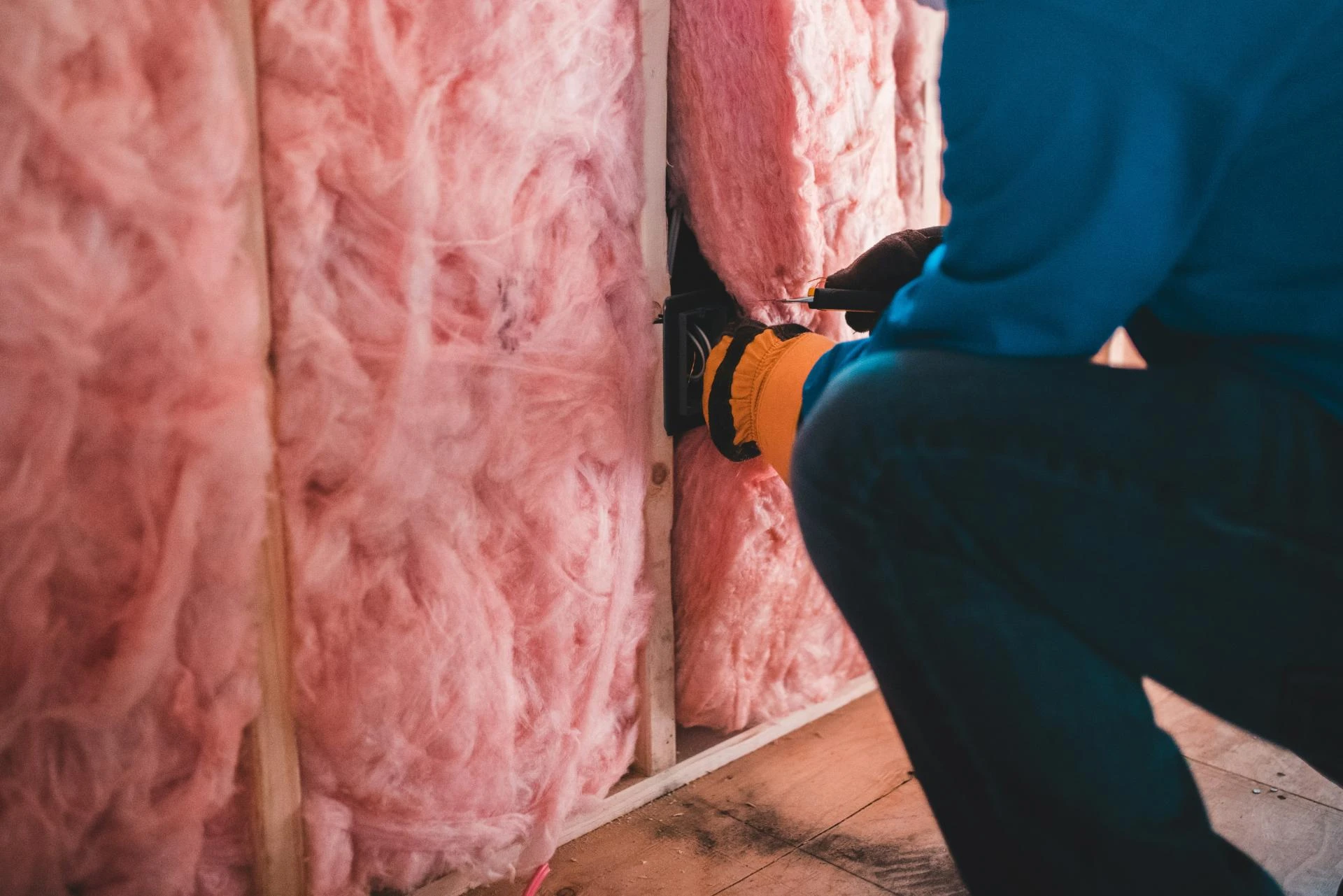
Properly installed attic insulation improves air circulation and ventilation not by creating airflow itself, but by being a critical part of a functioning attic system. Its main role is to create a complete thermal barrier on the attic floor, which stops heat and moisture from the house from entering the attic space. When this barrier is combined with meticulous air sealing, it reduces the moisture load that the ventilation system has to handle. Crucially, professional installation techniques ensure that insulation never blocks the soffit vents or obstructs the pathways that are essential for air to circulate from the eaves to the ridge.
In short, insulation and ventilation are a team. Insulation defines the boundary between the conditioned house and the unconditioned attic, while ventilation keeps the attic dry and close to the outdoor temperature. When installed correctly, insulation allows the ventilation system to do its job effectively. This article will break down this essential partnership, drawing on building science principles and extensive field experience to show how these two systems work together to protect a home.
The Distinct Jobs of Insulation and Ventilation
Many homeowners believe that insulation and ventilation are the same thing, but they perform two very different and specific functions. Understanding this difference is the first step toward creating a healthy, high-performing attic.
- Insulation's Job is to Stop Heat Transfer. Its purpose is to resist the flow of heat, keeping your home warmer in the winter and cooler in the summer. This is measured in R-value.
- Ventilation's Job is to Move Air and Moisture. Its purpose is to allow a continuous flow of outdoor air through the attic space. This helps remove moisture that can cause mold and rot, and in the summer, it helps exhaust super-heated air that can build up under the roof.
Problems arise when one of these systems is compromised, often because of how the other was installed.
How Improper Insulation Can Destroy Ventilation
The most common way insulation interferes with ventilation is by physically blocking the airflow path. In a typical vented attic, air is supposed to enter through vents along the lower edge of the roof (soffits) and exit through vents at the highest point (ridge).
Unfortunately, it’s very common for insulation, especially blown-in types like cellulose or fiberglass, to be installed in a way that covers the soffit vents. This effectively chokes off the attic’s air supply, rendering the entire ventilation system useless. Without this incoming air, moisture can become trapped, leading to condensation on the underside of the roof deck in the winter. This moisture can cause wood rot, mold growth, and wet, ineffective insulation. It is also a primary cause of ice dams.
Bonus Tip: A quick way for a homeowner to check for this problem is to go into their attic during the day and look toward the eaves. If you can't see any daylight coming through the soffit vents, there's a good chance they are blocked by insulation.
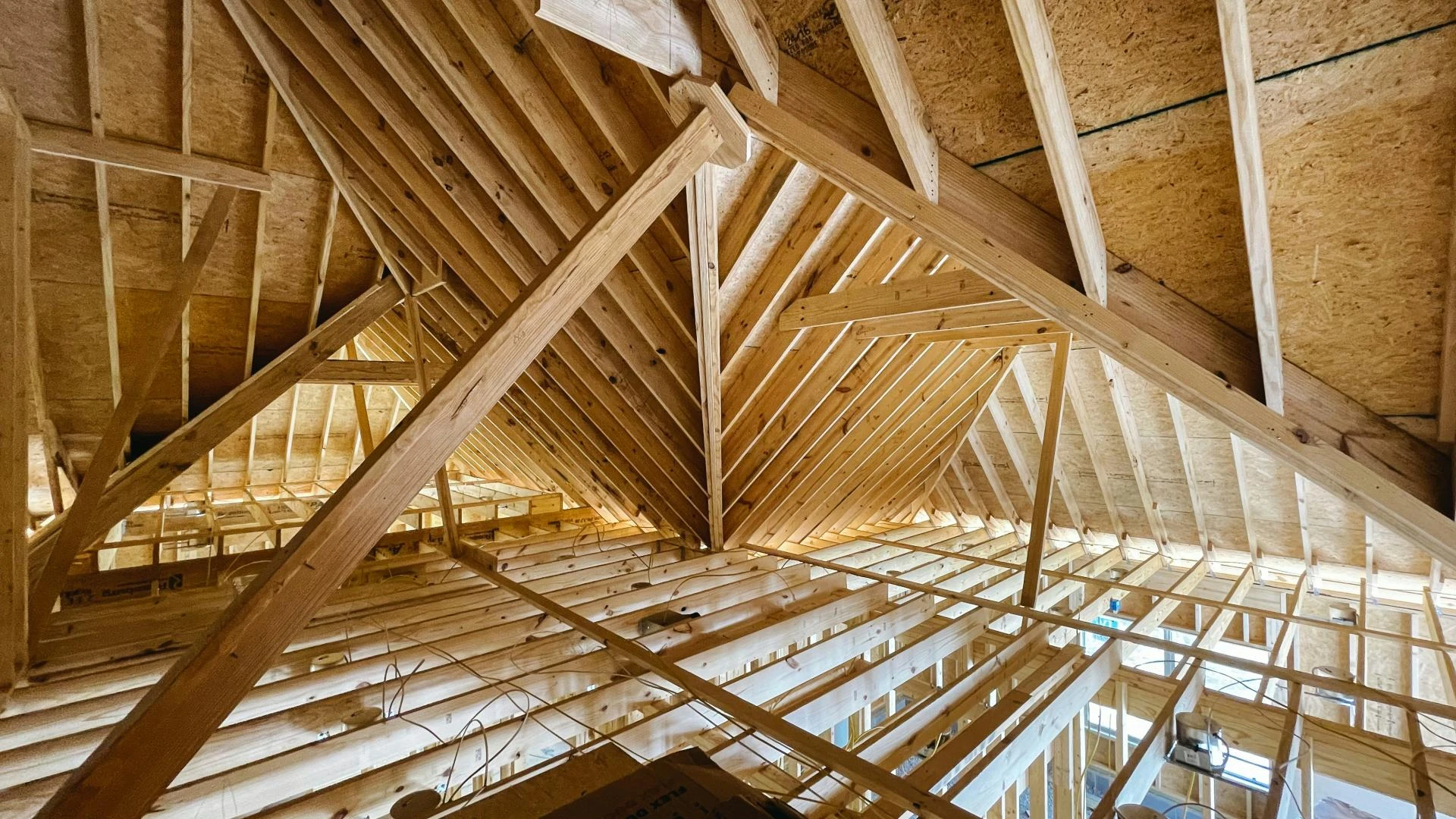
The Professional Method: Protecting the Airflow Path
An expert approach to attic insulation always prioritizes the protection of the ventilation system. This involves several key steps that ensure the two systems work together.
1. Meticulous Air Sealing
Before any insulation is added, professionals Attic Insulation will meticulously air seal the attic floor. This means finding and sealing every crack, wire penetration, plumbing chase, and gap around light fixtures that connects the living space to the attic. According to industry data, these hidden air leaks can be equivalent to leaving a window open all year long. By sealing them, installers stop the flow of warm, moist air from the house into the attic. This drastically reduces the amount of moisture the ventilation system needs to manage.
2. Installing Baffles
To guarantee the soffit vents remain clear, professionals install baffles (also called rafter vents). These are simple chutes made of cardboard or plastic that are stapled to the underside of the roof deck right above the soffit vents. They create a dedicated, protected channel for air to flow up into the attic, even after insulation is installed to the proper depth. This is a non-negotiable step in any quality attic insulation job.
3. Two Main Attic System Designs
There are two primary, accepted strategies for dealing with an attic, and they have very different ventilation requirements.
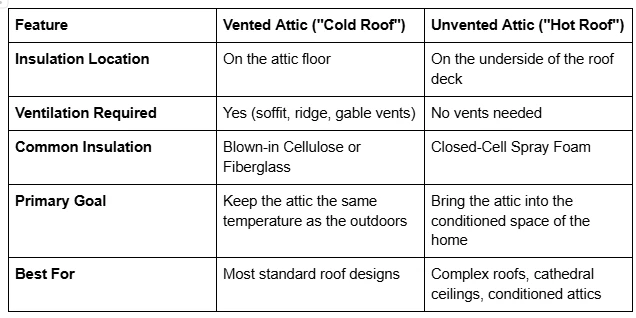
Choosing the right system depends on the home's design and the homeowner's goals. A professional can help determine which approach is the most effective.
Things to Consider Before Making a Decision
Before you begin an attic insulation project, it's important to think about the bigger picture.
Your Local Climate
In a climate with cold, snowy winters, a properly functioning vented attic is one of the best defenses against ice dams. Keeping the roof deck cold prevents snow from melting and refreezing at the eaves. In hot, humid summers, good ventilation helps to expel moist, super-heated air that can bake your shingles and increase your cooling load.
Your Home's Existing Conditions
What kind of ventilation does your roof have now? Are there soffit vents? A ridge vent? Gable vents? An expert will assess the existing system and make sure it is balanced, meaning the intake area at the soffits is equal to or greater than the exhaust area at the ridge.
Don't Just Add More Insulation
Simply blowing more insulation into an attic without first air sealing and checking the ventilation can make existing problems worse. It can trap moisture, block airflow, and waste money. A system-based approach is always better.
Bonus Tip: Recessed "can" lights are a major source of air leakage into attics. Professionals will use special fire-rated, airtight covers to seal them from the attic side before adding insulation.
Questions People Ask About Attic Systems
Can you have too much attic ventilation?
It is very difficult to have too much ventilation, as long as it is a balanced passive system. The goal is to make the attic as close to the outdoor temperature and humidity as possible. Problems arise from unbalanced systems, such as having powerful exhaust fans without enough intake vents, which can pull conditioned air out of the house.
If I use spray foam on my roof deck, do I need to close my vents?
Yes. Creating an unvented or "hot roof" assembly with spray foam means you are moving the building's thermal and air boundary from the attic floor to the roof deck. The attic then becomes part of the conditioned space of the home. In this case, all existing vents must be sealed permanently to prevent outdoor air from entering the new conditioned space.
Will new insulation get rid of the mold in my attic?
No. Insulation does not solve a mold problem. The mold must be professionally remediated first. Then, the moisture problem that caused the mold in the first place must be solved through proper air sealing and ventilation before new insulation is installed.
What is the best R-value for an attic?
This depends on your climate zone. For most of the northern United States, the Department of Energy recommends an attic R-value between R-49 and R-60. An insulation professional can tell you the specific recommendation for your area.
How long do insulation baffles last?
When installed correctly, they will last for the life of the roof. They are not exposed to weather and are simply there to hold back the insulation and maintain an air channel.
A Partnership for a Healthy Home
The relationship between attic insulation and ventilation is a perfect example of how a house works as a system. One cannot function properly without the other. By focusing on creating a complete air and thermal barrier on the attic floor and ensuring the ventilation pathways are clear and protected, professionals can create an attic that improves a home's energy efficiency, comfort, and long-term durability.
Get a Professional Attic Assessment
If you are concerned about your attic's performance, it is a good idea to have it evaluated by an expert who understands building science. The team at South Chicago Insulation specializes in diagnosing and solving complex attic issues, from air leakage to ventilation problems. They can provide a clear plan to make your attic work for your home, not against it. To schedule a consultation, they can be reached at [email protected] or by phone at (779) 803-8025.
Author: Bob Gasca attended his first spray foam training in 2007 and has continued to pursue yearly training to stay current with the latest technology and practices. He holds the Spray Foam Master Installer credential from the SPFA and is a member of the SPFA.
Reviewer: Noah Gonzalez reviewed this article and drew on 9 years of experience to offer suggestions that make the guidance more directly useful for insulation contractors.