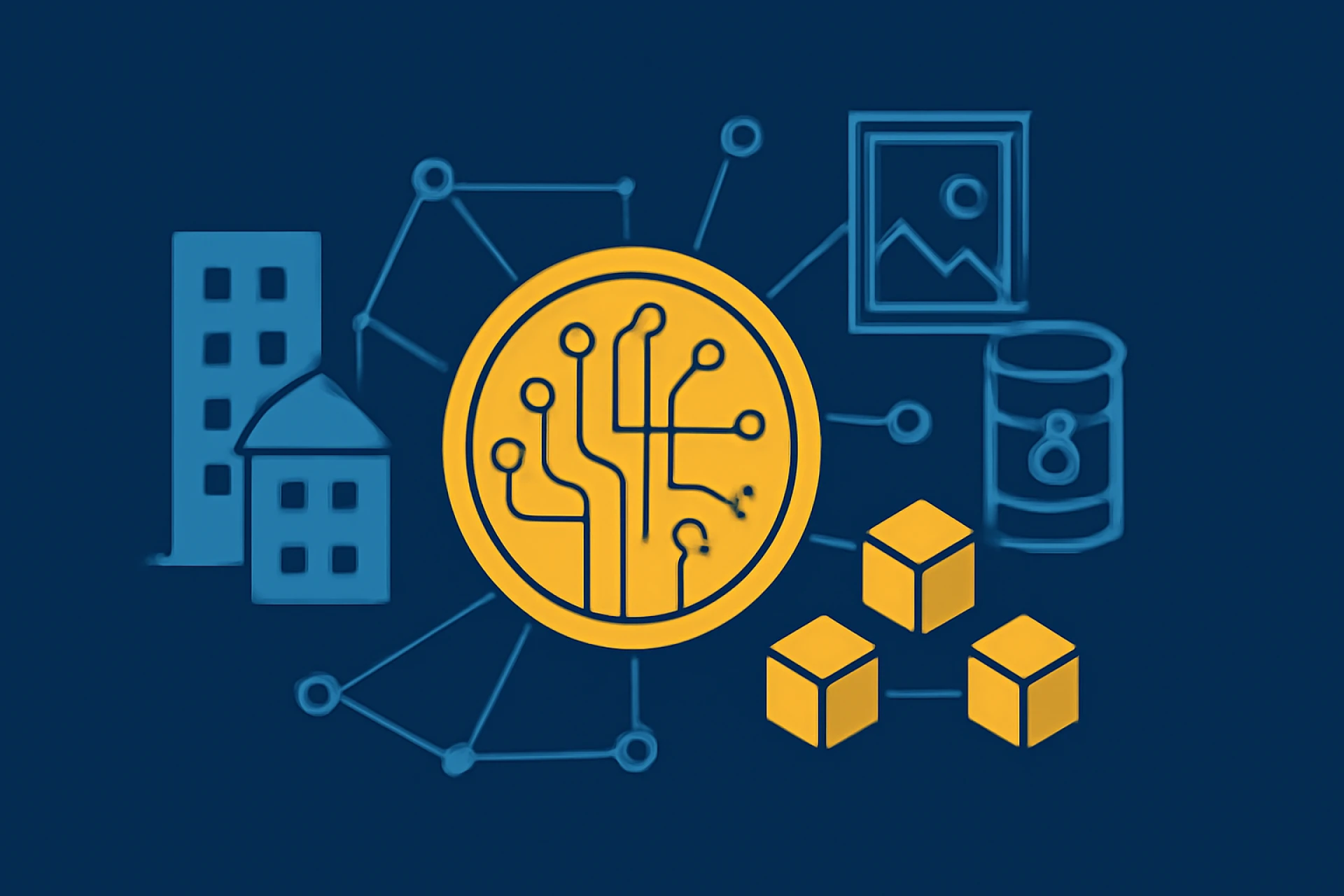
The tokenization of real-world assets (RWA) is no longer a theoretical innovation; it's rapidly becoming a mainstream financial and technological movement. By converting physical assets like real estate, commodities, art, or equity into blockchain-based tokens, businesses are unlocking unprecedented levels of liquidity, fractional ownership, and global access to investment opportunities. Both startups and large enterprises are seizing the moment, integrating tokenization into their business models to reduce barriers, drive efficiency, and create new revenue streams.
This transformation represents more than a tech trend. It’s a shift in how value is represented, stored, and exchanged. With tokenization gaining traction across sectors—from finance and real estate to logistics and entertainmentvearly adopters are positioning themselves ahead of the curve in a trillion-dollar opportunity.
Understanding the Basics of Real-World Asset Tokenization
Real-world asset tokenization refers to the process of issuing blockchain-based digital tokens that represent ownership in tangible or traditional financial assets. These tokens can be traded, sold, or transferred across digital platforms, backed by smart contracts that ensure trust, security, and programmability.
What makes tokenization especially compelling is its ability to fragment ownership. Rather than needing significant capital to invest in an entire property or artwork, individuals can now purchase small tokenized fractions, expanding access and democratizing investment.
Startups are using this mechanism to disrupt traditional asset markets, while enterprises are deploying it to enhance operational efficiency, regulatory compliance, and investor engagement.
Why Tokenization Is Gaining Momentum Among Startups
Startups are inherently agile and willing to experiment with bleeding-edge technologies. In the realm of tokenized RWAs, this agility allows them to build innovative platforms and tap into new customer segments.
One major advantage for startups lies in cost efficiency. Traditional asset issuance processes, like IPOs or real estate transfers, involve numerous intermediaries and regulatory steps. Tokenization automates much of this through smart contracts, cutting costs and time. For example, a real estate startup can issue tokens that represent ownership in properties and enable peer-to-peer sales without needing brokers or escrow services.
Moreover, access to global capital is vastly improved. Through tokenized assets, startups can attract investors from around the world without relying on localized funding rounds. This opens up markets that were traditionally inaccessible due to regulatory or logistical limitations.
Additionally, tokenization enables faster product-market validation. A startup can tokenize a small batch of assets and gauge investor interest before scaling, minimizing risk and preserving capital. This model fits well with the lean startup approach and reduces the friction of market entry.
How Established Enterprises Are Leveraging Tokenization
For large enterprises, the motivation to embrace tokenization often stems from operational optimization, regulatory flexibility, and a desire to innovate within established business models.
Take the financial services sector, for instance. Major banks and asset managers are experimenting with tokenized versions of bonds, equities, and ETFs. The primary goal is to improve settlement times, reduce counterparty risk, and enable real-time auditability. JPMorgan’s Onyx platform and HSBC’s Orion are just two examples of how traditional financial giants are creating their own tokenization infrastructure.
In the real estate industry, enterprises with vast property portfolios are using tokenization to unlock liquidity. Commercial properties that were once locked up for years are now being fractionalized, allowing partial exit options and bringing in smaller investors. This approach not only diversifies the investor base but also enhances property valuation through improved marketability.
Retail and supply chain enterprises are using tokenization to improve transparency and traceability. By linking tokens to specific assets in the logistics chain—such as luxury goods, electronics, or agricultural products—companies can validate authenticity, reduce fraud, and even build secondary marketplaces for pre-owned or rare items.
The Role of Blockchain Protocols and Technology Partners
Both startups and enterprises depend heavily on blockchain protocols and tokenization platforms to bring real-world assets on-chain. Protocols like Ethereum, Polygon, Avalanche, and newer entrants like Sui and Aptos offer the infrastructure needed to issue and manage tokens.
Some businesses choose to build on permissioned blockchains for greater control and compliance, especially when regulatory oversight is high. Others leverage public blockchains for their transparency, community engagement, and liquidity potential.
Technology partners are also playing a pivotal role. Platforms like Centrifuge, Tokeny, and Ondo Finance provide the technical and legal framework for onboarding RWAs. These platforms streamline KYC/AML compliance, manage smart contract deployment, and often integrate with digital custody providers, ensuring institutional-grade security.
This ecosystem approach allows businesses to focus on their core value proposition while outsourcing the heavy lifting of blockchain integration to specialized service providers.
Tokenized Real Estate: A Key Vertical for Adoption
One of the most tangible applications of RWA tokenization is in the real estate sector. Traditionally illiquid and expensive, real estate is being transformed into accessible, tradeable digital assets.
Startups like RealT and Lofty are pioneering fractionalized real estate investment models where investors can purchase tokens representing a share in a rental property. These tokens often come with a claim to rental income and property appreciation, creating passive income opportunities for small investors.
Enterprises in real estate development or property management are using tokenization to offer more flexible funding options. Instead of seeking full equity from large investors, developers can now crowdfund projects through token sales while still maintaining ownership control.
This trend is particularly impactful in emerging markets where capital is scarce, and traditional financing methods are limited. Tokenized real estate offers a transparent, borderless solution that aligns with the needs of both developers and investors.
Asset-Backed Stablecoins and Commodity Tokenization
Another area where both startups and enterprises are making headway is in the tokenization of commodities and currencies. Asset-backed stablecoins like Tether Gold (XAUT) and Paxos Gold (PAXG) represent physical gold stored in vaults, giving users digital exposure to a traditionally secure asset.
Startups are using this model to create tokens backed by oil, silver, agricultural products, and even carbon credits. These asset-backed tokens provide an on-chain alternative to futures or spot markets, making them ideal for retail investors and traders seeking diversification.
Enterprises in the energy and mining sectors are experimenting with blockchain to tokenize output and streamline cross-border settlements. This is especially useful in regions with complex trade regulations or volatile currencies, where digital tokens offer speed, stability, and traceability.
Regulatory Perspectives: Navigating the Compliance Maze
Regulatory compliance is one of the most critical—and complex—facets of RWA tokenization. Since tokenized assets often resemble traditional securities or financial products, businesses must carefully assess jurisdictional requirements.
Startups typically engage legal advisors early to ensure that their token model adheres to local securities laws, especially if conducting public offerings or targeting institutional investors. Some opt to work within regulatory sandboxes, which allow experimentation under government oversight.
Enterprises, due to their scale and reputational risk, tend to favor licensed platforms and may even collaborate directly with regulators to design compliant frameworks. The emergence of Regulation A+, Reg D, and MiCA (in the EU) is helping shape more predictable guidelines, though the global landscape remains fragmented.
A key trend here is embedded compliance, where tokenization platforms integrate KYC, AML, and accredited investor checks into the issuance and transfer process. This ensures that all transactions remain legal while minimizing the friction usually associated with manual compliance checks.
Liquidity and Secondary Market Innovation
A major benefit of RWA tokenization is improved liquidity through secondary markets. Tokenized assets, when issued on interoperable blockchains, can be listed on decentralized or regulated exchanges, enabling peer-to-peer trading.
Startups are launching decentralized RWA marketplaces where users can trade fractions of real estate, art, or IP rights with low fees and 24/7 access. These platforms often incorporate DeFi features like collateralized lending or yield farming, turning static assets into dynamic investment vehicles.
Enterprises are exploring integrations with traditional exchanges or creating private markets for tokenized shares, bonds, and derivatives. Nasdaq and the Swiss Digital Exchange (SDX) are examples of institutional-grade platforms preparing for a tokenized asset future.
These developments are fostering an entirely new class of investors who can seamlessly diversify their portfolios across physical and digital assets using a single wallet or dashboard.
Web3 Communities and Investor Engagement
Tokenization also opens the door to more participatory and engaged investor communities. By giving token holders voting rights, dividend access, or governance privileges, businesses can create stronger emotional and financial bonds with their user base.
Startups often embed community governance mechanisms into their token structure, encouraging grassroots participation in asset selection, platform features, and revenue-sharing models. This enhances trust and can lead to viral growth through word-of-mouth marketing.
Enterprises, particularly those targeting Gen Z and millennial investors, are using token-based campaigns to reinvigorate customer loyalty. From luxury brands tokenizing rare merchandise to sports franchises offering fractional ownership of memorabilia, the line between consumer and investor is being rewritten.
The Road Ahead: Mass Adoption and Interoperability
As tokenization matures, the focus is shifting from isolated pilots to full-scale ecosystems. Interoperability between chains, standardized compliance protocols, and robust digital identity frameworks will be key to unlocking true global scalability.
The rise of real-world DeFi, where traditional assets interact seamlessly with decentralized financial tools, is on the horizon. Innovations in Layer 2 scaling, cross-chain bridges, and programmable legal contracts are laying the groundwork for a future where almost any asset can be tokenized, traded, and governed digitally.
For startups, this means a fertile ground for disruption and growth. For enterprises, it’s an opportunity to reimagine asset management, investor relations, and global strategy.
Conclusion: Unlocking a New Asset Economy
The tokenization of real-world assets represents a convergence of blockchain innovation and traditional finance. Startups are using it to challenge legacy systems with agile, borderless platforms. Enterprises are using it to streamline operations, reach new markets, and increase asset utility.
As technology matures and regulations become clearer, RWA tokenization will become a cornerstone of the digital economy. Businesses that embrace it early—whether by issuing tokens, integrating with DeFi protocols, or engaging communities—are likely to be the architects of a more open, inclusive, and efficient financial world.