In today’s digital world, users expect apps to be fast, responsive, and reliable. A laggy screen or unexpected crash can instantly drive users away—and often, they won’t come back. That’s why Application Performance Monitoring (APM) has become essential for modern businesses.
What Is APM?
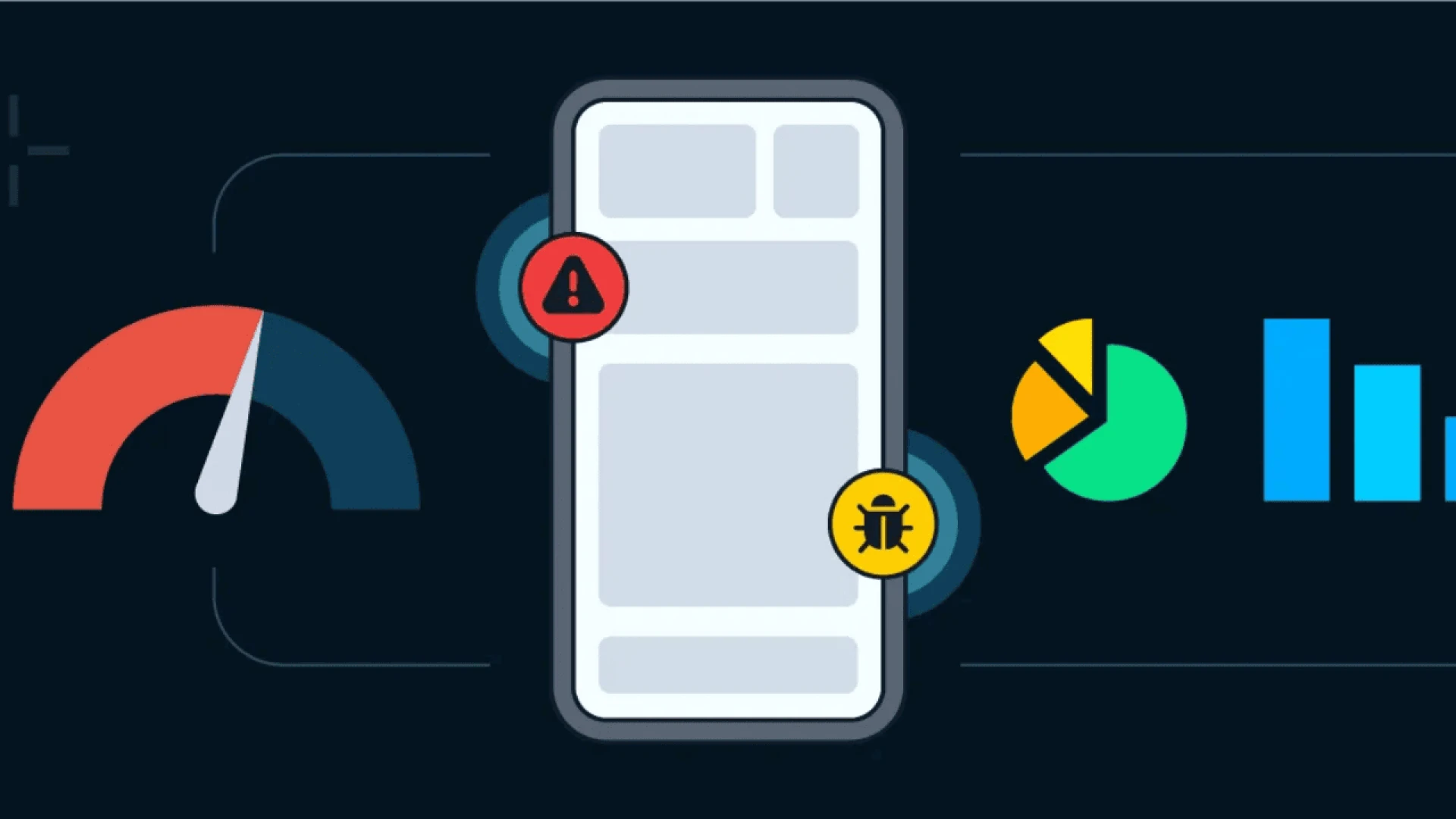
Application Performance Monitoring tools track and measure how your app performs in real time. They monitor key metrics like page load time, server response, API errors, crashes, and more. With this data, teams can detect issues as they happen and understand the root cause quickly.
Spot Problems Before Users Do
Let’s say you’re managing an e-commerce app, and users suddenly start abandoning their carts. APM tools can instantly alert you that the checkout page is loading too slowly or crashing during payment. Instead of relying on guesswork, you get actionable insights that help fix the issue before it hurts your revenue or reputation.
Improve Long-Term Stability
APM isn’t just for emergencies. Over time, it helps you build more stable, scalable apps. By analyzing trends and historical data, you can identify patterns—like which app updates caused performance drops—and make smarter decisions for future improvements.
Benefits Across Teams
APM isn’t just for developers. Product managers, testers, and even customer support teams can use APM data to prioritize features, fix bugs faster, and understand user complaints more clearly. It brings everyone on the same page—working toward better performance and a smoother user experience.
Final Thought
If you care about user experience, retention, and business growth, APM is your behind-the-scenes hero. It helps your app run faster, stay stable, and keep users satisfied—no matter how complex or busy things get.