Let’s be honest most of us don’t think about our plumbing system until something goes wrong. Whether it’s a slow-draining sink or a surprise leak under the kitchen cabinet, plumbing problems often sneak up when we least expect them. But here's the good news: with a little routine care and some smart habits, you can avoid many of these issues altogether.
Plumbing doesn’t have to be complicated or overwhelming. In fact, anyone can take a few simple steps to keep things flowing smoothly. And if you ever find yourself facing a bigger problem, calling a plumber in Elm City, NC early on can save you from costly repairs down the line.
Now, let’s dive into how to prevent plumbing issues before they start—without needing to be an expert.
1. Pay Attention to What Goes Down the Drain
One of the biggest causes of plumbing trouble is something we all do—putting the wrong things down our drains.
In the kitchen, grease, coffee grounds, and food scraps may seem harmless. But over time, they can clog your pipes and lead to backups. Instead of rinsing them away, try disposing of them in the trash or compost bin. It only takes a few seconds and can prevent serious headaches later.
In the bathroom, be mindful of what goes into your toilet. Only flush toilet paper—nothing else. Wipes, paper towels, and even “flushable” products can cause blockages over time. And in your shower, a simple drain catcher can stop hair from building up and slowing down your pipes.
By being thoughtful about what you send down the drain, you’re already one step ahead in preventing major plumbing problems.
2. Don’t Ignore Small Leaks
That slow drip from your faucet might seem like a small annoyance, but it’s actually a red flag. Leaks waste water, increase your utility bills, and over time, can lead to mold or structural damage.
Even a tiny leak can be a sign of a bigger issue developing inside your pipes. So if you notice persistent dripping, damp spots under your sink, or any unexpected moisture around your plumbing, it’s best to address it right away.
In many cases, fixing a small leak is a quick and easy job. But waiting too long might turn it into a costly repair. And while not every issue requires a professional, persistent problems may signal the need for a local plumbing technician near Elm City to take a closer look.
3. Learn Where Your Shut-Off Valves Are
Knowing how to stop the water flow in an emergency is something every homeowner should learn. The shut-off valve allows you to quickly cut off water to the whole house or to a specific fixture—like the toilet or sink—if something suddenly goes wrong.
If a pipe bursts or a faucet starts gushing, shutting off the water right away can prevent serious damage. Make sure everyone in your household knows where the main shut-off is located and how to use it.
This simple step can make all the difference during a plumbing emergency.
4. Take Care of Your Water Pressure
High water pressure might feel great in the shower, but it’s not always good for your pipes. Excessive pressure can strain your plumbing system, wear out your fixtures faster, and increase the risk of leaks or bursts.
You can purchase an inexpensive pressure gauge to check your home’s water pressure. Ideally, it should be between 40 and 60 PSI. If it’s higher than that, a pressure regulator might be a smart investment.
Keeping your water pressure in check can extend the life of your pipes and reduce the chance of hidden issues building up over time.
5. Schedule Routine Plumbing Checkups
Just like you visit the doctor for regular checkups, your plumbing system benefits from routine inspections too. Annual maintenance can help catch small problems before they grow into bigger, more expensive ones.
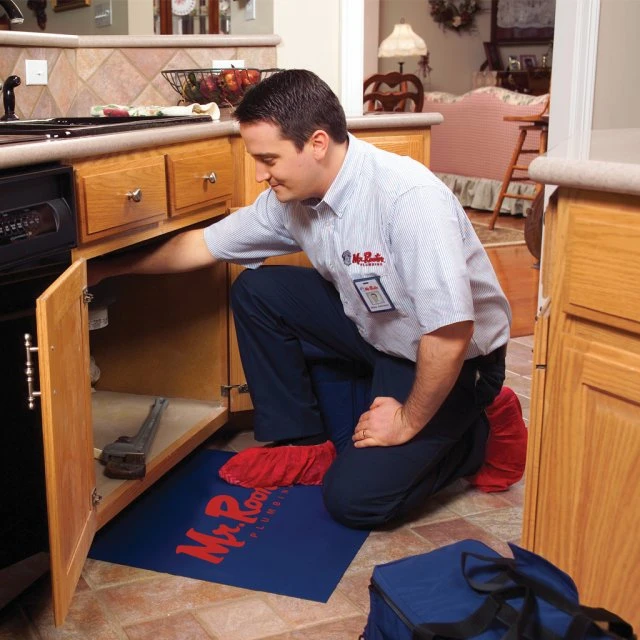
A professional plumber can inspect your water heater, look for hidden leaks, and clear out any developing clogs in your drain lines. They may also recommend preventive fixes, like replacing worn-out washers or inspecting your sewer lines if your home is older.
In Elm City and surrounding areas, many homeowners choose to have their systems looked at annually—especially if their homes are over 20 years old. This kind of care keeps everything running efficiently and gives you peace of mind.
6. Protect Your Pipes in Cold Weather
While North Carolina doesn’t always face extreme winter weather, it’s still important to protect your pipes during colder months. When temperatures drop below freezing, pipes—especially those in basements, attics, or exterior walls—can freeze and burst.
To prevent this, insulate exposed pipes, disconnect garden hoses, and keep a small trickle of water flowing during very cold nights. Opening cabinet doors under sinks can also help warm air circulate around the pipes.
Taking these precautions now can save you from one of the most common causes of emergency plumbing calls in the winter.
7. Know When It’s Time to Replace Old Fixtures
Sometimes, plumbing problems are simply a result of old hardware wearing out. Faucets, showerheads, and even pipes don’t last forever. Over time, they can corrode, leak, or stop working properly.
If you notice consistent issues with a particular fixture—or if it’s been in use for decades—it might be time for an upgrade. Newer models are often more efficient and better designed to prevent leaks.
Replacing old plumbing parts before they fail completely is one of the smartest ways to avoid surprise repairs and keep your system running smoothly.
Final Thoughts
Preventing plumbing problems doesn’t require special skills or expensive tools. With just a little attention and care, you can avoid many of the common issues that disrupt daily life—and protect your home from unexpected damage.
Simple habits like watching what goes down the drain, fixing small leaks early, and scheduling routine checkups can make all the difference. And when more serious problems do arise, having a trusted plumber in Elm City, NC on your side means you’ll never be caught off guard.
Taking care of your plumbing today means fewer worries tomorrow. And who doesn’t want a little more peace of mind at home?