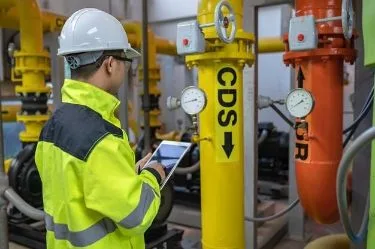
Industrial environments such as oil and gas, petrochemical plants, and industrial facilities operate under complicated conditions with safety as a high priority. Analytical and gas services are two key components that contribute to a safe and compliant workplace. While each has a unique duty, their combination forms a strong safety framework that protects workers, equipment, and the environment.
Understanding Analytical Services in Safety
Analytical services concentrate on the testing, measuring, and assessment of materials, substances, and environmental factors. These services provide reliable information about the composition and quality of chemicals used or produced in industrial processes. Analytical testing ensures that activities remain safe and within regulatory limits by detecting pollutants and ensuring chemical stability.
For example, routine chemical analysis can detect harmful compounds before they pose a concern. Environmental testing can monitor air, water, and soil quality, assisting enterprises in avoiding pollution and adhering to safety laws.
The Role of Gas Services in Industrial Environments
Gas services are similarly important, especially in sectors that use flammable, poisonous, or pressured gasses. These services include gas detection system installation, calibration, maintenance, and safety inspections.
Gas detection systems continuously monitor for dangerous gases such as carbon monoxide, hydrogen sulfide, and methane. Early detection enables rapid response, lowering the danger of incidents including explosions, leaks, and exposure to toxic substances. Regular maintenance and calibration ensures that these devices are always precise and reliable.
The Power of Integration
When analytical and gas services work together, they form a complete safety environment. Analytical services provide extensive information about chemical compositions and environmental conditions, whereas gas services offer real-time monitoring and alarms.
For example, analytical testing can detect the possibility for gas generation in a process, whereas gas detection systems monitor and notify personnel if those gases reach harmful levels. This proactive approach reduces risks while ensuring a quick response to any irregularities.
Enhancing Compliance and Efficiency
Industries must follow severe safety and environmental laws. Combining analytical and gas services enables firms to achieve these objectives more effectively. Analytical testing provides accurate data for documentation and reporting, while gas monitoring devices enable continuous compliance in real time.
This connection improves both safety and operating efficiency. Early diagnosis of problems lowers downtime, avoids costly accidents, and extends equipment life.
Future Trends in Industrial Safety
As technology advances, the collaboration between analytical and gas services becomes increasingly sophisticated. Smart sensors, automation, and data analytics enable predictive safety measures, allowing businesses to foresee risks before they arise.
Conclusion
Analytical and gas services are not stand-alone solutions; they are integral components of industrial safety. By combining accurate analysis with continuous gas monitoring, industries can improve workplace safety, ensure regulatory compliance, and maintain operational excellence. Investing in these services is not only necessary, but also crucial for long-term safety and sustainability.