Artificial intelligence is transforming how businesses interact with their customers, and one of the most impactful advancements in this space is the rise of AI voice bot solutions. These systems have evolved far beyond simple scripted phone menus. They can now hold meaningful conversations, interpret intent, respond with natural language, and scale across millions of interactions simultaneously. As customer expectations continue to demand instant and personalized support, enterprises are increasingly adopting voice automation powered by advanced AI and natural language processing.
This evolution is not just a technological achievement. It is a shift in how customer service, sales enablement, onboarding, support escalation, and internal communication are structured. At the center of this shift is the ability of AI voice bots to replicate the nuances of human communication. They can listen, understand tone, recognize context, and respond in ways that feel conversational rather than robotic. When deployed correctly, these solutions elevate customer experience, reduce operational costs, and ensure 24 by 7 availability without compromising quality.
This blog explores how AI voice bot solutions deliver human-like interactions at scale. We will break down the core technologies behind them, analyze their role in business transformation, examine use cases, and uncover strategies to achieve scalable conversational automation responsibly and efficiently.
The Shift from Robotic Responses to Human-Like Communication
Before advanced AI voice bot solutions entered the mainstream, automated voice systems relied on basic interactive voice response menus. These systems lacked the ability to understand natural language. They forced users into structured commands, repeating options and pressing numbered choices. The experience was often frustrating and slow. Customers were left waiting for human representatives even for simple requests.
Modern AI voice bots represent a significant leap forward. They process language the way humans naturally speak, complete with pauses, variations, and contextual references. This advancement is driven by improvements in natural language understanding, speech recognition, deep learning models, and real-time voice synthesis. Instead of responding with rigid scripts, these voice bots generate conversational responses dynamically. They do not just understand what is said. They interpret what it means.
This enables more natural dialogue, shorter resolution times, and an experience that feels personal rather than automated. It also bridges the emotional and functional gap between digital systems and human conversation.
Core Technologies That Make AI Voice Bots Sound Human
AI voice bots rely on several integrated technologies that work together to mimic human speech patterns and conversation flow. These include:
1. Automatic Speech Recognition
The first step in any voice interaction is converting spoken audio into text. Advanced speech recognition models analyze sound waves, identify words, account for accent variations, and produce structured text output in real time. Modern models can handle fast speech, background noise, and informal phrasing.
2. Natural Language Understanding
Once speech is converted to text, the system interprets the meaning behind the words. It identifies intent and context. For example, if a customer says "I need to check my last payment", the bot interprets that as a request to retrieve billing history. Natural language understanding allows the bot to recognize multiple ways a request may be phrased. It adapts to conversational patterns rather than expecting inputs to follow rigid formats.
3. Dialogue Management
This component determines the next appropriate response. Dialogue management considers the purpose of the conversation, previous messages, customer profile, rules of engagement, and outcomes. It ensures the conversation feels coherent and goal oriented.
4. Natural Language Generation
Once the system decides how to respond, it converts structured data into natural-sounding sentences. Natural language generation models create responses that sound conversational, empathetic, and helpful. They avoid robotic phrasing that previously made automated systems feel unnatural.
5. Speech Synthesis
Finally, the response is spoken back to the user. Text-to-speech engines now produce voices that sound fluid, expressive, and human. They incorporate tone variations, pacing, and inflection. This results in interactions that feel more personal and less mechanical.
These five components work together to simulate the experience of speaking with a trained support professional.
Why Human-Like Interaction Matters in Customer Communication
Businesses are investing in AI voice bots because customer expectations have changed. People want answers instantly. They want to avoid long wait times. They prefer solving problems themselves when possible. However, they still want the interaction to feel natural and understanding, not cold and automated.
Human-like communication builds trust. When customers feel heard, understood, and respected, they are more likely to remain loyal. If automation feels too robotic, customers turn away quickly. Human tone and conversational rhythm provide reassurance and emotional connection even in digital interactions.
AI voice bots enhance this connection while maintaining the ability to scale. They handle large call volumes simultaneously. They do not get tired, frustrated, or inconsistent. They ensure that every customer receives the same level of service quality.
Scaling Communication Across Millions of Interactions
One of the most significant advantages of AI voice bot solutions is their ability to scale effortlessly. Traditional call centers rely on human agents, which means staffing limitations, training challenges, scheduling gaps, and cost expansion as demand increases. AI voice bots remove these constraints.
Key scaling advantages include:
- Unlimited concurrent conversations
- Consistent response quality
- Ability to operate continuously across time zones
- Reduced dependency on call center staffing models
- Predictable operational costs
This scalability is especially valuable for industries experiencing fluctuating or high interaction rates such as finance, healthcare, retail, ecommerce, telecom, and travel. Instead of hiring and training additional staff for seasonal or unexpected customer volume spikes, enterprises can rely on voice automation to absorb the workload while assigning human agents to high-value tasks that require deeper analysis or emotional sensitivity.
Real-World Applications of AI Voice Bot Solutions
AI voice bots are being used across industries in highly practical and impactful ways. Some common applications include:
Customer Support and Troubleshooting
Bots handle common support requests such as password resets, account lookups, appointment bookings, or delivery updates. This reduces the load on human agents while ensuring fast response times.
Sales Assistance and Lead Engagement
Voice bots guide potential customers through product inquiries, pricing explanations, qualification flows, and purchase processes. They help maintain consistent engagement without adding pressure to staffing teams.
Appointment Scheduling and Reminder Services
Healthcare providers, salons, clinics, and service centers use voice bots to schedule and confirm appointments. This ensures clients receive reminders that reduce no-shows and minimize staff involvement.
Payment Processing and Billing Inquiries
Bots can securely process payment updates, billing history requests, and invoice clarifications, reducing dependence on finance support staff.
Internal Service Desk Support
Large organizations use voice bots to support employee IT requests, HR policy questions, travel booking, or workflow guidance. This improves internal efficiency and reduces manual ticket resolution.
These examples illustrate how voice automation improves service delivery across both customer-facing and internal organizational operations.
Ensuring Emotional Intelligence in Voice Interactions
Achieving human-like interaction is not only about accuracy. It is about empathy. A voice bot must recognize emotional cues and respond with sensitivity. For example:
- If a customer sounds frustrated, the bot adjusts tone to become more supportive.
- If a user expresses urgency, the bot prioritizes concise and action-oriented responses.
- If confusion is detected, the bot asks clarifying questions gently.
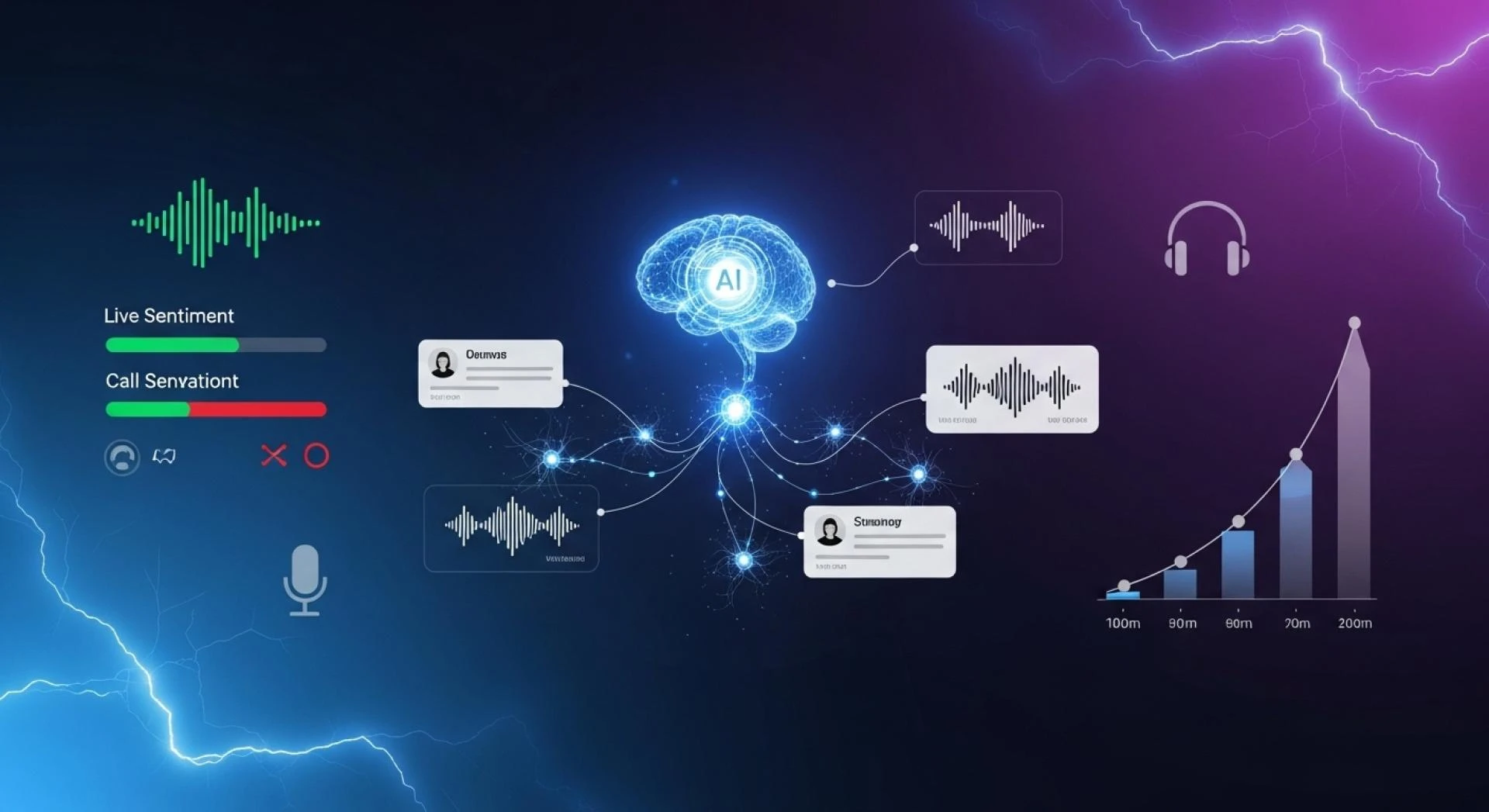
Modern systems use sentiment analysis to interpret emotional context from voice patterns, pacing, and word choices. This allows them to deliver responses that feel caring and appropriate to the situation. Emotional intelligence is a core differentiator in high-performing conversational AI deployments.
The Role of Human Agents in Voice Automation Ecosystems
AI voice bots do not replace human agents entirely. Instead, they shift their role to more value-driven activities. Voice automation handles high-volume routine tasks. Human agents step in for:
- Complex problem-solving requests
- Sensitive emotional situations
- High-stakes decision-making moments
- Escalations requiring deeper analysis
This hybrid model leads to better outcomes. Customers receive instant support for common needs while experts handle challenges requiring human reasoning. This division of labor improves job satisfaction for support staff and enhances customer experience.
Best Practices for Deploying AI Voice Bot Solutions at Scale
To successfully implement AI voice bots, businesses must follow strategic deployment practices including:
- Clear definition of use cases and conversation goals
- Training models with diverse real-world conversational data
- Continuous improvement based on feedback and performance analytics
- Ensuring seamless handoff between bots and human agents
- Compliance with privacy and data protection standards
- Testing with real users before full-scale rollout
When voice automation is designed thoughtfully, it strengthens brand reputation and improves overall service efficiency.
Conclusion: The Future of Human-Like Voice Automation
AI voice bot solutions are no longer experimental. They are rapidly becoming essential components of modern communication infrastructure. Their ability to deliver human-like interactions at scale is transforming customer service, internal support operations, and business communication models worldwide.
As voice AI continues to advance, we can expect:
- More natural emotional expression in speech synthesis
- Better contextual awareness and memory of past interactions
- Stronger multilingual conversational abilities
- Enhanced personalization through integrated customer data systems
The future of conversational AI is not about replacing humanity. It is about extending it. Voice bots enable organizations to provide respectful, efficient, and meaningful interactions to every individual they serve. They make communication faster, more thoughtful, and more accessible. And that makes them one of the most influential technological advancements shaping the next chapter of digital business transformation.