Something big is happening behind the scenes at many companies – artificial intelligence quietly shifts how things run. Instead of old methods, smart software now handles tasks once done by hand. This shift doesn’t just speed things up; it changes what’s possible across whole sectors. When these tools plug into company platforms, work flows smoother without constant oversight. Decisions gain support from patterns machines detect in massive amounts of data. Efficiency climbs because guesswork fades under steady digital analysis. Costs drop as repetitive jobs vanish into automated routines. Each change links back to one core upgrade: thinking machines doing more than ever before.
Picture this – AI reshaping business tools from the ground up. Not just change, but a deep transformation in how companies operate. Think smarter workflows instead of slow manual steps. Machines learn, adapt, then act without constant oversight. Benefits? Faster decisions, fewer errors, less wasted time. Behind each smart system sit teams building custom logic and responsive models. These developers shape what artificial intelligence can do inside real-world operations. Progress shows up quietly – in better forecasts, smoother processes, automated insights. The work happens piece by piece, line by line, model by model. Results feel seamless because preparation runs so deep.
The Role of AI in Today’s Business Systems
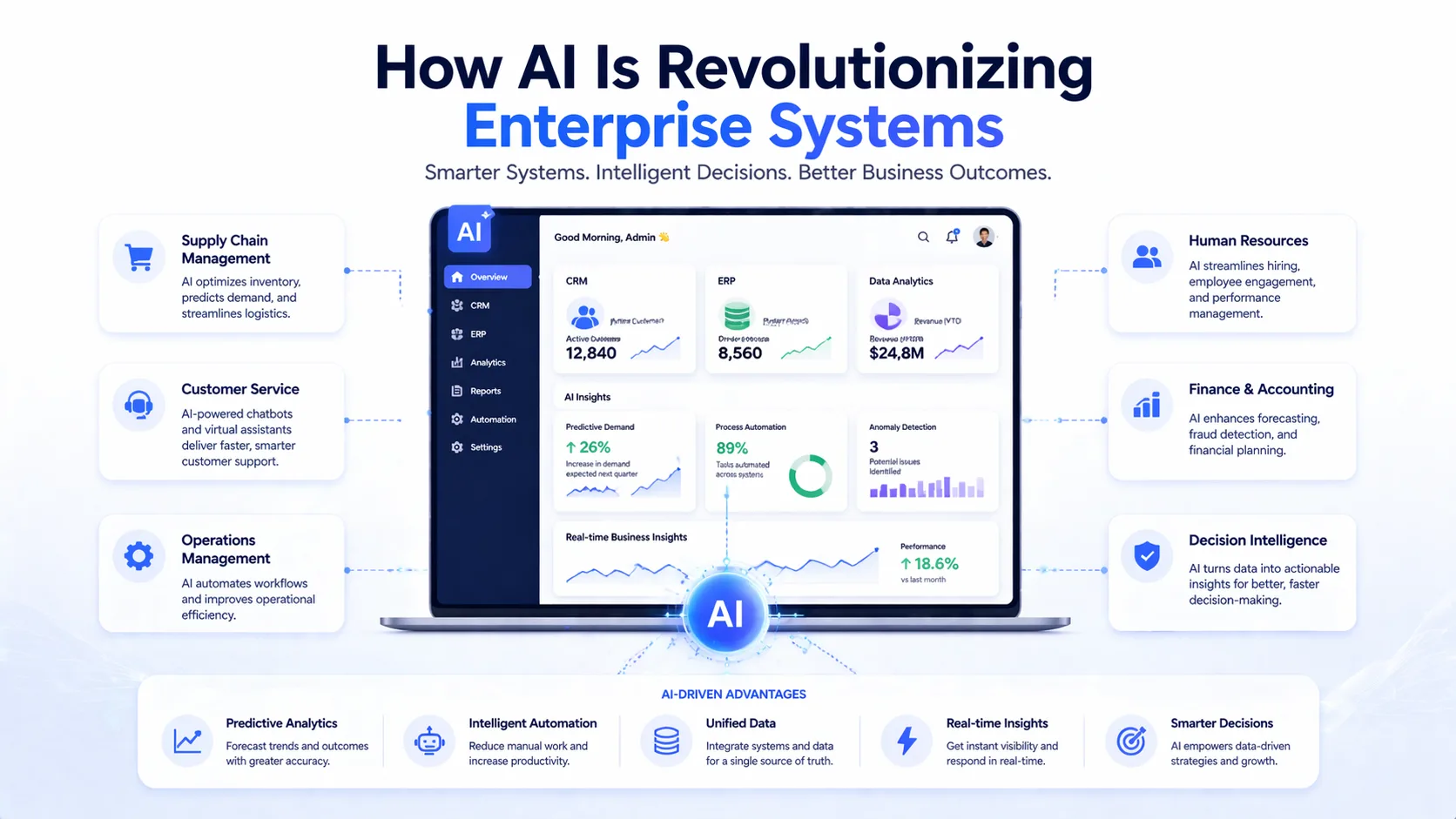
Businesses now run bigger operations because artificial intelligence works inside company systems. Running smoothly happens when machines handle boring jobs over and over again. Instead of people sorting through piles of information, smart software does it faster. Insights pop up where none were seen before, simply by letting algorithms search deeper. Staying ahead feels easier once decisions grow sharper. Customer moments get better without extra effort, just smarter tools behind the scenes.
Some businesses today turn to AI tools simply because tasks get easier when machines help sort the details. Instead of guessing outcomes, they rely on pattern spotting that adjusts as new data shows up. Work steps flow better once automated checks replace old manual routines. AI development services shaped around real problems often beat one-size-fits-all fixes. Decisions grow sharper where historical trends guide what comes next. Deliveries reach customers faster when routing shifts based on traffic patterns. Interacting with clients feels smoother if replies come from learned preferences. Systems tracking behavior feed insights nobody would spot by hand. Effort drops when alerts pop up only when something actually matters. Processes reshape themselves quietly while staff focus elsewhere.
Using AI to Improve Choices
Most enterprises now rely on artificial intelligence to handle complex data tasks. From massive datasets, patterns emerge faster than any team could spot by hand. Insights appear in moments, not weeks. Speed meets precision when choices are shaped by machine-powered analysis. Decisions gain clarity without waiting for slow reviews.
Thanks to artificial intelligence development services, companies build tailored algorithms plus models that spot patterns, catch irregularities, or project upcoming demands. Because of these smart systems, firms stay ahead – making moves before issues arise instead of after things go wrong.
Automating Routine Tasks
One big plus of AI in business setups? It handles tasks without people needing to step in. Things like answering customer questions, sending bills, typing in information – stuff that once took manpower – now run on their own thanks to smart software. Time gets saved. Mistakes happen less often too. Efficiency climbs when machines take over repetitive work. Humans shift toward jobs that need thinking and feeling. Machines stick to what they do best: speed and precision.
When machines handle tasks, companies often spend less on people doing those jobs. This shift also clears away clutter in daily work routines. As demand rises, systems can grow without heavy lifting. Flexibility becomes easier when technology adjusts fast. Staying quick and sharp matters most in today's market race.
Using AI to Enhance How Customers Experience Services
Now here's how machines shape what shoppers feel. Starting with quick replies through digital helpers, right into ads built around you – technology learns habits, then fits fixes to taste. It listens first, adjusts next.
Take online stores using smart systems to suggest items people might like – those learn from what users do. Round-the-clock help comes alive through automated helpers that answer questions fast, cutting down delays. When companies shape their own intelligent tools, they create experiences that fit exactly how they operate and who they are.
Improving How Goods Move From Start to Finish
Out here, artificial intelligence changes how supply chains work. Instead of guessing, smart tools handle stock levels along with future needs. When something might go wrong in transit, these systems see it coming. They point toward different paths when delays pop up. Getting products where they need to be happens faster now, often cheaper too.
From behind the scenes, smart tools help companies watch stock levels as they change by the minute. These setups trigger restocking at just the right moment instead of waiting too long or acting too soon. Predictions about what customers will need next grow sharper over time thanks to pattern spotting. Workflows become smoother when guesswork fades into background noise. Less waste shows up across delivery routes and storage spaces alike.
Using AI to Protect Business Systems
Worldwide, companies face rising worries about safety when it comes to their operations – here, artificial intelligence steps in quietly but effectively. Instead of waiting, smart tools spot odd behavior the moment it happens, stopping scams before they grow. These digital guards also uncover weak spots instantly, acting like constant watchers across business networks.
Most days, spotting odd network activity gets easier when machines learn patterns over time. Instead of static rules, smart programs adjust after each incident, growing sharper with experience. Often, hidden risks come to light only when software keeps watching, learning what feels off. With every alert, responses get quicker because yesterday’s data shapes today’s decisions. Systems evolve quietly, not through human updates but by noticing small shifts others might miss.
Why Companies Choose Dedicated Developers for AI Projects
Most companies struggle to fit AI into their existing setup without extra know-how. Hiring dedicated developers changes the game completely. Instead of generic fixes, that person builds tools shaped exactly around what the business actually does. Smooth connections between old systems and new tech? That comes from tailored work. Performance jumps when someone fine-tunes every part on purpose.
Someone who builds artificial intelligence knows how machine learning works, along with neural networks and similar tech. Their role often includes shaping smart algorithms, teaching models through data, while making sure company systems truly make use of what AI offers. If the goal is creating a fresh app driven by AI or upgrading current tools, bringing in one focused expert means answers fit exactly what the business needs.
Working with an AI Development Company
Working alongside a firm focused on AI development services might just shift how your business operates. Instead of guessing what comes next, they bring smart systems that learn from information. Their setups often include programs that spot patterns, software that studies numbers deeply, and then routines that handle repetitive jobs without constant oversight. With these pieces in place, businesses find new ways forward while keeping pace with fast-moving markets.
When they apply their know-how in artificial intelligence, systems tend to run more smoothly and grow more easily. Instead of guessing how tech should work, these teams show up with clear steps – handling everything from task automation to better user interactions. Their role? Staying close during each phase so things stay on track without surprises.
Conclusion
Nowhere else has change been so quiet yet powerful – machines learn, adapt, then reshape how work gets done. Instead of guesswork, patterns emerge from data, guiding choices before problems arise. Through smarter responses and faster resolutions, customers feel understood without saying a word. Security shifts too, spotting threats not by rules but by subtle signs others miss. Across factories, offices, and hospitals, routines once fixed now bend and improve on their own.
Starting with AI might seem tricky, yet businesses exploring smart tools often find better ways to work. One path leads through artificial intelligence development solutions built for specific needs, another opens up when companies adopt learning software that adapts over time. Efficiency grows not just by adding machines but by reshaping how tasks flow across teams. Innovation shows up quietly at first, then spreads into daily decisions and long-term plans. Staying ahead isn’t about speed alone – shifting direction well matters more than rushing forward. Tech investments pay off most when they match real challenges instead of chasing trends.