Personal Protective Equipment (PPE) is a cornerstone of industrial safety protocols. Helmets, gloves, safety goggles, vests, and boots are critical to reducing injuries and fatalities in environments like construction sites, manufacturing plants, oil rigs, and mining operations. Despite established safety guidelines, human errors and negligence often lead to PPE violations, which significantly increase the risk of workplace accidents.
This is where AI-based PPE violation detection software steps in, offering real-time monitoring, detection, and response mechanisms that dramatically enhance safety compliance. In this article, we explore how this technology works and how it helps reduce accidents across industrial sites.
Understanding AI-Based PPE Violation Detection Software
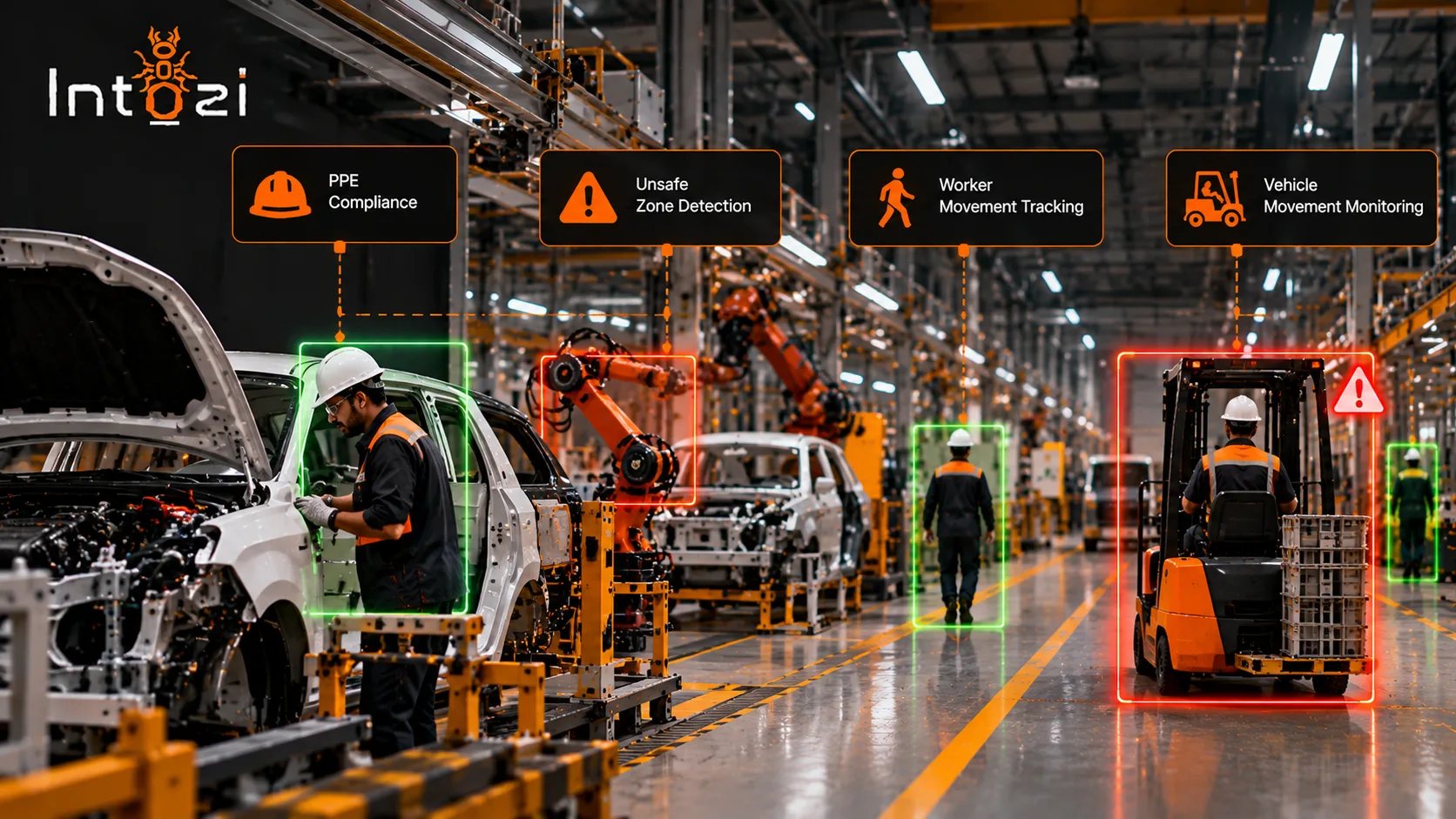
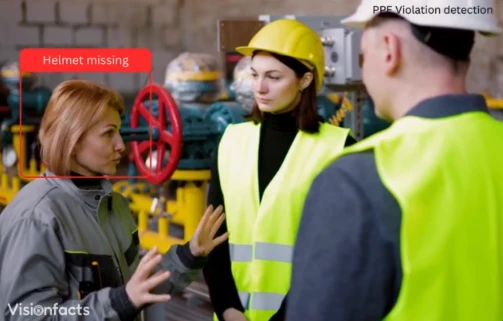
AI PPE violation detection software is a computer vision-powered system that uses artificial intelligence algorithms to detect whether workers are wearing the required protective gear. It integrates with surveillance cameras and processes video streams in real-time to identify:
- Helmet usage
- Reflective vest presence
- Safety goggles and face shields
- Gloves and boots
- Respirators or masks (in certain industries)
Using deep learning and object detection techniques, the software identifies workers, classifies their PPE usage, and flags violations instantly.
Key Components and Workflow
- Camera Integration: Existing CCTV or IP camera systems are integrated with AI-based software to analyze footage without additional infrastructure.
- Real-Time Detection: AI models detect human presence and identify whether mandatory PPE gear is being worn.
- Alert Generation: If a violation is detected, alerts are sent via alarms, mobile apps, dashboards, or control rooms.
- Data Logging & Reporting: All violations are recorded with time stamps, location data, and snapshots, helping in audit trails and safety compliance reviews.
- Integration with Safety Systems: The software can be integrated with HR, access control, or worker management systems to automate penalties or access restrictions.
How It Reduces Accidents on Industrial Sites
1. Proactive Safety Enforcement
Traditional safety monitoring depends on manual supervision, which is prone to fatigue, oversight, and bias. AI-based systems operate 24/7, providing non-stop, unbiased surveillance. Workers are aware that they are being monitored in real-time, which increases compliance and reduces reckless behavior.
2. Immediate Violation Alerts
Instead of waiting for safety audits or monthly inspections, the software triggers instant alerts the moment a violation occurs. This allows for immediate corrective action, whether through a warning, supervisor intervention, or temporarily halting the task until the PPE is worn properly.
3. Accident Prevention by Risk Mitigation
Non-compliance with PPE rules is a major contributor to industrial accidents. For instance, a worker not wearing a helmet in a high-risk area is vulnerable to falling objects. AI systems reduce these risks by ensuring compliance before the incident happens, preventing avoidable injuries.
4. Reduction in Human Dependency
Safety officers cannot be everywhere at once, especially on large-scale sites. AI-based PPE detection reduces reliance on manual patrols and minimizes human oversight errors. This optimizes manpower while ensuring a higher standard of safety monitoring.
5. Behavioral Change through Accountability
Over time, AI-powered enforcement creates a culture of accountability. Workers understand that violations are automatically recorded and reported, leading to improved personal responsibility and adherence to safety norms.
6. Data-Driven Safety Insights
The software collects and analyzes violation trends, such as:
- Most frequent violators
- High-risk areas with frequent breaches
- Times of day when non-compliance peaks
These insights help safety managers optimize safety training programs, reallocate resources, or redesign workflows to reduce risk.
7. Integration with Access Control Systems
In some advanced setups, the AI system can be linked to biometric or RFID access control systems. If a worker is detected without PPE, the system can deny access to restricted zones. This prevents potential violations before workers enter hazardous environments.
8. Improved Compliance with Regulations
Governments and labor departments mandate PPE compliance under workplace safety laws. AI-based systems streamline compliance audits by maintaining digital records, enabling industries to pass inspections and avoid heavy penalties or shutdowns.
9. Minimized Insurance Claims and Legal Costs
Accidents caused by PPE violations can lead to compensation claims, legal issues, and insurance liabilities. By reducing incidents, the software lowers these costs, making operations more sustainable and less exposed to litigation.
Industries Benefiting from PPE Violation Detection
• Construction
With multiple tasks and constant movement, PPE violations are common on construction sites. AI solutions ensure every worker on-site is appropriately equipped, reducing accidents caused by falling debris or machinery misuse.
• Manufacturing
Heavy machinery, chemical exposure, and high-noise environments require strict PPE usage. AI software monitors compliance in production lines, warehouses, and assembly units.
• Oil & Gas
Given the high-risk nature of drilling, refineries, and offshore rigs, PPE compliance is critical. AI systems monitor both open environments and confined spaces for real-time enforcement.
• Mining
Mining operations involve dust, darkness, and hazardous conditions. AI-enabled vision systems detect hard hats, reflective clothing, and respiratory masks even in low-light environments.
• Pharmaceuticals & Healthcare Manufacturing
Here, PPE is vital not only for worker safety but also to prevent contamination. AI systems ensure that gowns, masks, and gloves are worn in sterile environments.
Challenges and Considerations
While the benefits are significant, companies should also consider:
- Privacy concerns: Transparent policies and ethical AI use must be implemented to avoid misuse of surveillance data.
- Initial setup costs: While it utilizes existing cameras, configuring AI models and integrating them with IT systems involves some investment.
- Environmental factors: Dust, fog, or poor lighting can occasionally affect detection accuracy, though modern algorithms are becoming increasingly robust.
- Customization: Different sites have different PPE requirements. The system must be trained or configured according to the site’s safety protocols.
Why Choose VisionFacts for AI PPE Violation Detection Software?
Visionfacts is a powerful AI-powered video analytics software trusted by industries to enhance on-site safety with precision and reliability. Its advanced AI PPE violation detection software is designed to seamlessly integrate with existing CCTV infrastructure, offering real-time alerts, accurate detection, and detailed compliance reports. VisionFacts stands out with its ability to operate effectively in challenging industrial environments—like low-light, high-motion, or dusty conditions—ensuring uninterrupted safety enforcement. With an intuitive dashboard, actionable insights, and scalable architecture, VisionFacts empowers organizations to prevent accidents proactively and maintain the highest safety standards across their facilities.
Future of PPE Violation Detection
As AI technologies mature, the future of PPE detection will include:
- Edge AI processing: Faster detection directly on smart cameras.
- Wearable integration: Sensors in helmets or vests that communicate with AI systems for more reliable compliance detection.
- Predictive safety analytics: Forecasting potential high-risk zones or behaviors using past violation data and environmental context.
- Multilingual voice alerts: Real-time voice alerts in local languages to warn workers when a violation is detected.
Conclusion
AI-based PPE violation detection software represents a revolutionary step toward smarter, safer industrial environments. By enabling continuous, real-time monitoring and automating the detection of safety non-compliance, it reduces the likelihood of workplace accidents significantly. It not only helps protect the lives of workers but also enhances operational efficiency, lowers insurance costs, and ensures regulatory compliance.
In an age where industrial safety is paramount, investing in such intelligent systems is not just a technological upgrade, it’s a commitment to human life and workplace excellence.