
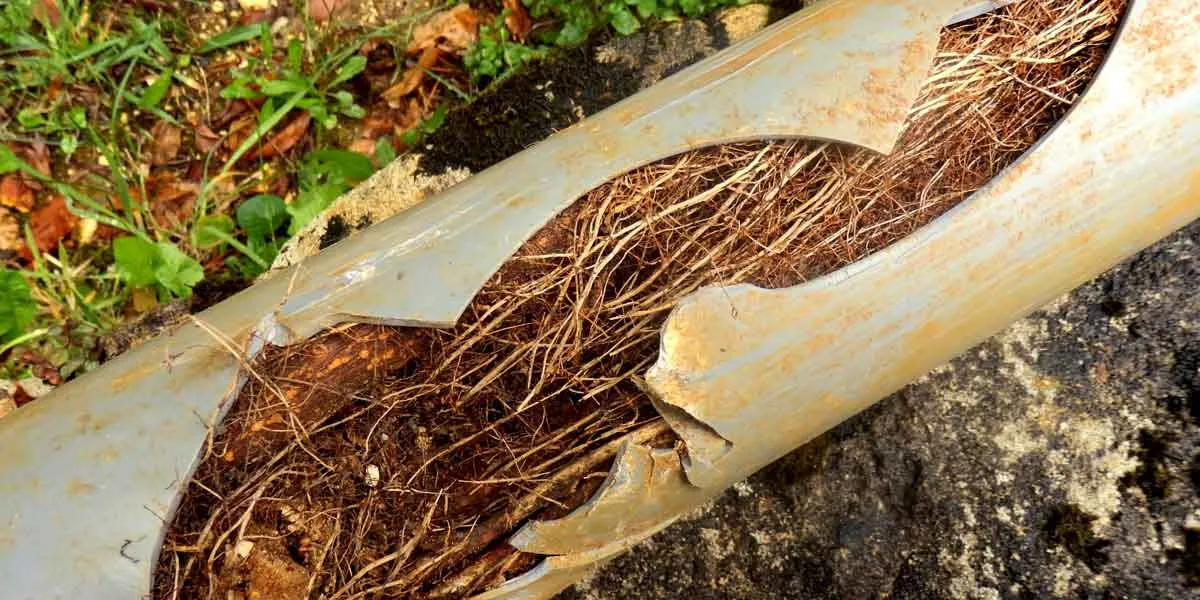
Tree roots are one of the most common causes of underground drain damage and blockages. While trees add beauty and environmental value to a property, their roots naturally seek moisture and nutrients, making drainage pipes an ideal target. Over time, even a small crack in a drainpipe can attract roots, eventually leading to severe blockages, structural damage, and costly repairs.
Understanding how tree roots invade drainage systems and knowing the best prevention and repair methods can help homeowners avoid major plumbing issues.
Why Tree Roots Invade Drains
Tree roots grow toward water sources. Underground drains and sewer pipes often contain moisture, condensation, and nutrients that attract nearby roots. Older clay or concrete pipes are especially vulnerable because they may already have tiny cracks or loose joints.
Once roots detect moisture escaping from a pipe, they begin to infiltrate the smallest openings. As the roots continue growing, they expand inside the pipe and trap debris such as grease, paper, and soil. This gradually restricts water flow and eventually causes a complete blockage.
Even modern PVC pipes can become damaged if shifting soil or ground movement creates small openings around pipe joints.
Signs of Tree Root Drain Blockages
Tree root intrusion usually develops slowly, meaning many property owners do not notice the issue until serious symptoms appear. Some common warning signs include:
- Slow-draining sinks, toilets, or showers
- Frequent toilet backups
- Gurgling sounds coming from drains
- Unpleasant sewage odours outdoors or indoors
- Damp patches in the garden
- Repeated drain blockages despite cleaning attempts
If these signs occur regularly, professional drain inspections may be required to determine whether roots are affecting the system.
How Roots Damage Drainage Systems
The impact of tree roots goes beyond simple blockages. As roots continue growing inside the pipe, they can cause major structural problems, including:
Pipe Cracking
Roots naturally expand as they mature. This pressure can widen existing cracks and split pipes apart.
Collapsed Drains
In severe cases, aggressive root growth may completely crush older drainage pipes, causing sections to collapse underground.
Joint Separation
Roots often target weak pipe joints. Once inside, they force sections apart and allow soil to enter the system.
Recurring Blockages
Even after temporary clearing, roots tend to grow back unless the underlying issue is fully resolved.
These problems can eventually lead to flooding, sewage leaks, and expensive excavation work if left untreated.
Types of Trees Most Likely to Cause Problems
Some trees are more aggressive than others when searching for water. Species with extensive root systems are particularly likely to damage underground drains. Common problematic trees include:
- Willow trees
- Oak trees
- Sycamore trees
- Poplar trees
- Elm trees
Planting these species too close to drainage lines significantly increases the risk of future pipe intrusion.
Prevention Methods for Root Intrusion
Preventing root-related drain issues is far easier and cheaper than repairing major underground damage. Property owners can reduce risks by following several key strategies.
Choose Tree Locations Carefully
Large trees should always be planted a safe distance away from underground drainage systems. Before landscaping, it is wise to identify where drainpipes are located on the property.
Schedule Regular Drain Inspections
Routine CCTV drain surveys can identify small cracks or early root intrusion before the problem worsens. Early detection helps avoid major repairs later.
Repair Minor Pipe Damage Quickly
Even tiny leaks can attract roots. Sealing damaged joints and repairing cracks immediately reduces the likelihood of intrusion.
Install Root Barriers
Physical root barriers can redirect growing roots away from vulnerable drainage systems.
Replace Old Pipework
Older clay drains are highly susceptible to root damage. Modern pipe materials are generally more resistant and durable.
Many homeowners dealing with recurring issues often seek professional solutions such as Blocked DrainLeatherhead specialists who can assess underground damage accurately.
Professional Solutions for Root Blockages
Once roots invade a drain, professional treatment is usually necessary. DIY chemical cleaners rarely solve the root cause and may even damage pipes further.
High-Pressure Water Jetting
This method uses powerful streams of water to cut through roots and clear debris from inside the pipe. It is effective for minor to moderate root intrusion.
Mechanical Root Cutting
Specialist rotating blades are inserted into the drain to physically remove root masses.
CCTV Drain Surveys
After clearing the blockage, drainage experts typically perform a CCTV inspection to assess pipe condition and determine whether repairs are needed.
Drain Relining
If pipes remain structurally sound, drain relining can repair internal cracks without excavation. A resin liner is inserted into the damaged section, creating a new protective pipe layer.
Excavation and Pipe Replacement
For collapsed or severely damaged drains, excavation may be the only long-term solution.
Experienced contractors offering drain services reigate often combine CCTV inspections with root removal techniques to restore proper drainage efficiently.
Long-Term Maintenance Tips
Maintaining healthy drains after root removal is essential for preventing future problems. Homeowners should consider:
- Booking periodic drain inspections
- Avoiding planting trees near sewer lines
- Monitoring slow drainage issues early
- Keeping gutters and external drains clean
- Repairing leaks immediately
Preventive maintenance significantly lowers the risk of recurring root intrusion and costly emergency repairs.
Professional drainage services in epsom can also provide ongoing maintenance plans for properties with older underground pipe systems or large surrounding trees.
Conclusion
Tree roots are a major threat to underground drainage systems because they naturally seek out moisture and nutrients found within pipes. What starts as a small root intrusion can quickly develop into severe blockages, cracked pipes, and collapsed drains if ignored.
Fortunately, early detection, proper landscaping, regular inspections, and professional drain maintenance can greatly reduce the risk of damage. Whether through water jetting, root cutting, drain relining, or pipe replacement, modern drainage specialists have effective solutions for resolving root-related blockages.
By taking preventive action and addressing problems early, homeowners can protect their drainage systems, avoid expensive repairs, and maintain reliable wastewater flow for years to come.
Also Prefer our other Blog:
https://penzu.com/p/04b85be562bb9efa