Education systems across the world are changing faster than ever. By 2026, institutions are no longer satisfied with software that simply stores records or generates reports. They expect intelligence, foresight, and adaptability. This shift is exactly why AI and predictive analytics are transforming how modern SIS platforms operate.
A student information system today is evolving from a passive database into an active decision-support engine. With artificial intelligence analyzing historical and real-time data, institutions can anticipate problems, personalize experiences, and make smarter academic and operational decisions. From predicting student dropouts to automating administrative workflows, AI-powered SIS platforms are redefining what “student management” truly means.
Key Takeaways
- AI-driven SIS platforms help institutions predict student risks and opportunities before issues arise
- Predictive analytics improves retention, engagement, and academic outcomes
- Automation reduces administrative workload while increasing data accuracy
- Institutions must align data strategy, governance, and training to unlock full value
- Modern SIS selection now depends heavily on analytics maturity and AI readiness
The Evolution of SIS: From Records to Intelligence
Traditionally, SIS platforms focused on maintaining student profiles, enrollment records, grades, and attendance. While essential, these systems were reactive. Administrators reviewed data after problems occurred, leaving little room for prevention.
AI changes that dynamic. By applying machine learning models to years of institutional data, SIS platforms can now identify patterns that humans often miss. These insights allow schools, colleges, and universities to act earlier, faster, and with greater confidence.
Instead of asking, “What happened last semester?” institutions are now asking, “What is likely to happen next—and what should we do about it?”
How AI and Predictive Analytics Work Inside Modern SIS Platforms
At the core of this transformation are three interconnected capabilities:
Data aggregation and normalization
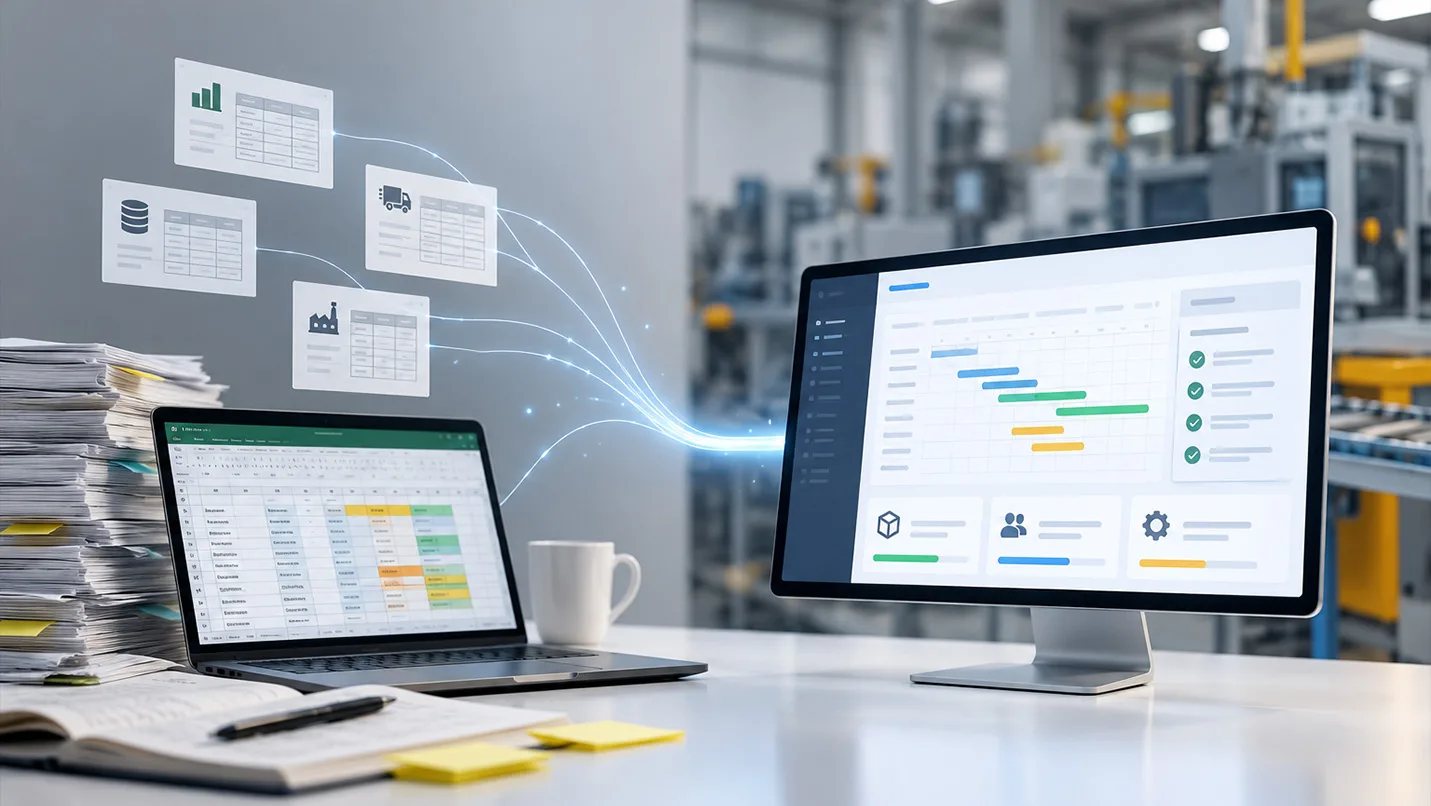
AI requires clean, consistent data. Modern SIS platforms integrate academic records, attendance, behavior logs, LMS activity, and even financial data into a unified data model.
Machine learning models
Algorithms analyze historical trends to identify risk indicators such as declining engagement, irregular attendance, or sudden grade drops.
Real-time insights and alerts
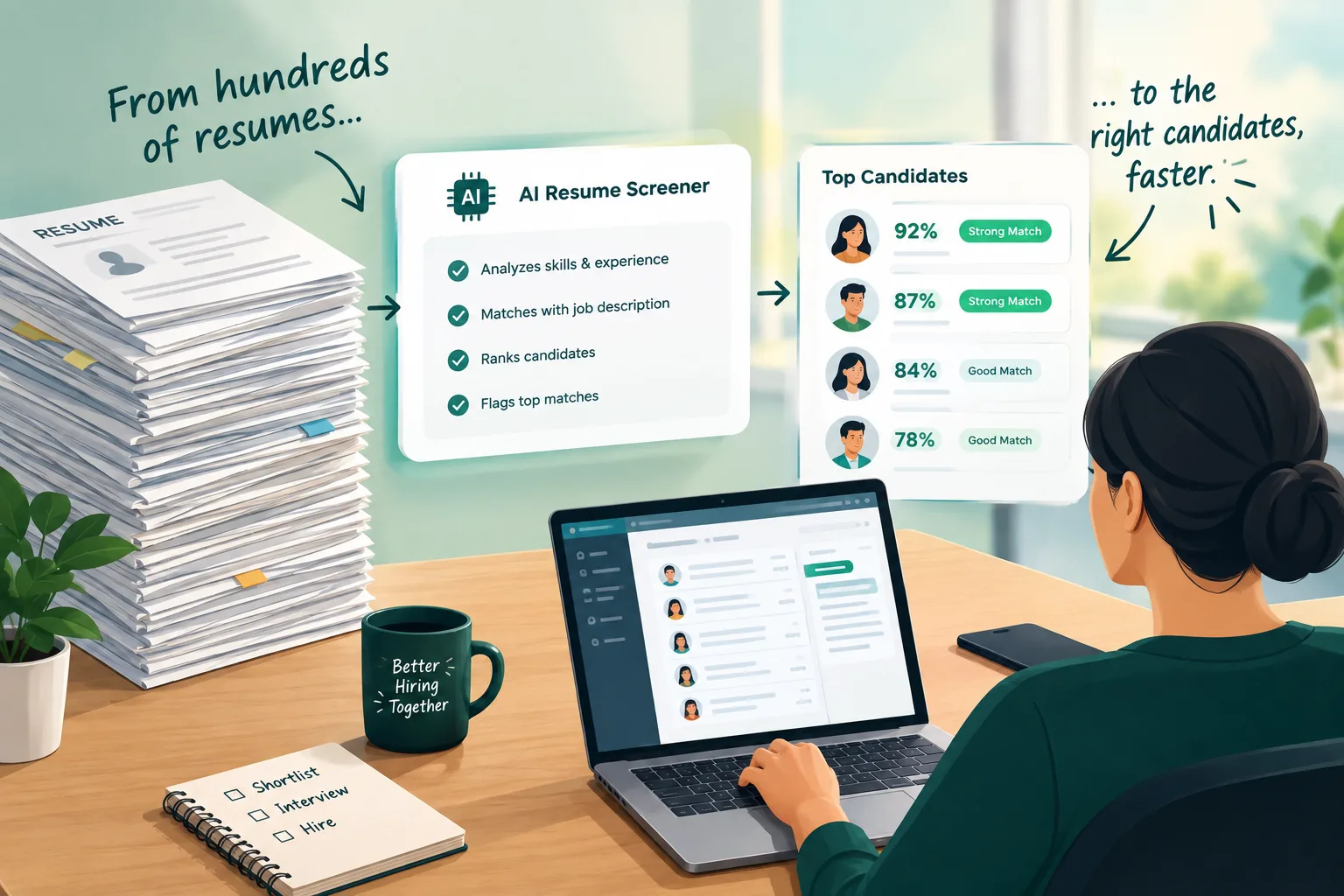
Instead of static dashboards, users receive dynamic alerts and recommendations—flagging at-risk students, enrollment bottlenecks, or staffing gaps as they emerge.
This intelligence layer turns a SIS into a proactive system rather than a reactive one.
Key Benefits Institutions Are Seeing in 2026
AI-driven SIS platforms are delivering measurable value across academic, administrative, and strategic areas.
Improved student retention and success
Predictive analytics can identify students likely to struggle academically or disengage. Early intervention programs—tutoring, counseling, or academic advising—can be triggered automatically.
Personalized student journeys
AI enables individualized course recommendations, academic pathways, and support plans based on student performance, interests, and goals.
Smarter enrollment and capacity planning
Institutions can forecast enrollment trends, course demand, and faculty needs with greater accuracy, reducing overbooking or underutilization.
Operational efficiency
Automation powered by AI reduces manual tasks like scheduling, reporting, and compliance checks—freeing staff to focus on higher-value work.
Data-driven leadership decisions
Executives gain predictive insights into institutional health, funding allocation, and long-term growth strategies.
Challenges Institutions Must Address
Despite its benefits, AI adoption in SIS platforms is not without obstacles.
Data quality and fragmentation
Predictive models are only as good as the data they analyze. Inconsistent data across departments can weaken results.
Privacy and compliance concerns
Student data is highly sensitive. Institutions must ensure AI models comply with data protection laws and ethical standards.
Change management
Faculty and staff may resist AI-driven recommendations if they lack transparency or training.
Over-reliance on automation
AI should support human judgment, not replace it. Institutions must balance insights with professional expertise.
Addressing these challenges early is critical for sustainable success.
Features to Look for in an AI-Enabled SIS Platform
As institutions evaluate modern platforms, certain features have become essential:
- Predictive risk scoring for academic and behavioral outcomes
- Customizable dashboards for different user roles
- Explainable AI that shows why a prediction was made
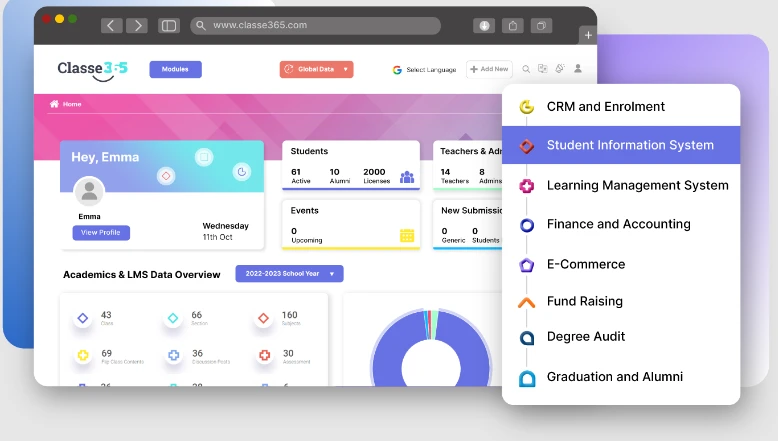
- Seamless integration with LMS, CRM, and finance systems
- Strong data governance and role-based access controls
A future-ready SIS should not just provide insights, but also guide action.
Best Practices for Implementing AI and Predictive Analytics
Institutions that see the strongest results tend to follow a few proven strategies:
Start with clear objectives
Define what problems you want AI to solve—retention, enrollment forecasting, or student engagement.
Invest in data readiness
Clean, standardized data is the foundation of accurate analytics.
Build trust through transparency
Use AI tools that explain predictions clearly so staff and educators feel confident acting on them.
Train users continuously
AI adoption is not a one-time rollout. Ongoing training ensures insights are used effectively.
Measure impact regularly
Track outcomes like improved retention, reduced workload, or faster decision-making to validate ROI.
FAQ: AI and Predictive Analytics in SIS Platforms
How does AI improve student outcomes in SIS platforms?
AI identifies patterns linked to academic risk or success, enabling early interventions and personalized support that improve overall student performance.
Is predictive analytics reliable for decision-making in education?
When built on quality data and used responsibly, predictive analytics provides highly reliable guidance—especially when combined with human judgment.
Can small institutions benefit from AI-powered SIS platforms?
Yes. Cloud-based solutions make advanced analytics accessible even to smaller schools without large IT teams.
How is student privacy protected when using AI in SIS platforms?
Modern platforms apply encryption, access controls, anonymization, and compliance frameworks to safeguard sensitive data.
What skills do staff need to use AI-driven SIS tools effectively?
Basic data literacy, understanding of dashboards, and training on interpreting insights are usually sufficient.
Take the Next Step Toward Smarter Student Management
AI and predictive analytics are no longer optional add-ons—they are becoming central to how institutions operate, support learners, and plan for the future. Choosing the right platform and strategy today determines how well an institution can adapt tomorrow.
As innovation accelerates, platforms like Classe365 continue to demonstrate leadership by combining intelligent analytics, automation, and user-friendly design into a modern SIS experience. For institutions seeking trust, scalability, and forward-thinking technology, embracing AI-powered SIS platforms is the smartest move they can make in 2026 and beyond.