
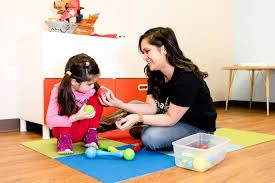
Children develop best when they are supported with structure, understanding, and consistent guidance. For many children who benefit from behavioral support, Applied Behavior Analysis offers a practical and evidence-based approach to learning. ABA therapy in Michigan helps children strengthen communication abilities, improve behavior, and build essential life skills that support long-term growth and independence.
Understanding the Foundation of ABA Therapy
Applied Behavior Analysis focuses on understanding how learning occurs and how positive behaviors can be encouraged through clear expectations and reinforcement. Rather than focusing on challenges alone, ABA emphasizes building skills that improve daily functioning. Each child’s abilities, interests, and developmental level guide how learning goals are created and taught.
By breaking skills into smaller steps, children are able to learn at a pace that feels achievable. This structured approach allows progress to build steadily over time while maintaining a supportive learning environment.
Building Communication Skills
Communication is essential for expressing needs, forming relationships, and participating in everyday activities. ABA therapy supports children in developing communication skills that are functional and meaningful. These may include spoken language, gestures, visual supports, or alternative communication methods.
Through repetition and positive reinforcement, children learn how to request items, follow directions, respond to questions, and engage in social interactions. Over time, improved communication reduces frustration and helps children connect more confidently with others. For families seeking ABA therapy in Michigan, communication development is often one of the most valued areas of progress.
Encouraging Positive Behavior
Behavior is a form of communication, and ABA therapy focuses on understanding the reasons behind certain behaviors. Instead of simply discouraging challenging behaviors, therapists identify their underlying purpose and teach more appropriate alternatives.
Children learn skills such as:
- Following routines
- Managing transitions
- Coping with frustration
- Responding to instructions
- Regulating emotions
Positive reinforcement helps children recognize which behaviors are helpful and rewarding. As a result, children begin to make better choices independently and feel more confident in their abilities.
Developing Daily Living and Life Skills
Life skills are critical for independence and long-term success. ABA therapy places strong emphasis on teaching practical skills that children use every day. These skills are often taught within natural routines to make learning more meaningful and transferable.
Life skills may include:
- Dressing and personal hygiene
- Eating and mealtime routines
- Cleaning up and organizing
- Following schedules
- Completing simple tasks independently
By learning these skills gradually, children gain a sense of accomplishment and autonomy that supports overall development.
Supporting Social Interaction and Peer Engagement
Social skills can be challenging, especially in group settings. ABA therapy helps children learn how to interact appropriately with peers, adults, and family members. Structured practice allows children to develop skills such as taking turns, sharing, waiting patiently, and understanding social cues.
Children also learn how to navigate friendships, manage disagreements, and participate in group activities. These skills contribute to stronger relationships and improved confidence in social environments such as school or community settings.
Promoting Consistency Across Environments
One of the strengths of ABA therapy is its emphasis on consistency. Skills learned in therapy are reinforced across different environments, including home, school, and community settings. This helps children apply what they learn in real-life situations.
Families play an important role in reinforcing skills outside of structured sessions. Therapists often collaborate with caregivers to ensure strategies remain consistent and effective throughout daily routines. This partnership strengthens learning and supports lasting progress.
Encouraging Independence and Confidence
As children build communication, behavior, and life skills, they naturally become more independent. ABA therapy helps children rely less on prompts and more on their own abilities. Each success builds confidence and motivates continued growth.
Children learn that they are capable of navigating challenges, solving problems, and making choices. These experiences prepare them for greater independence as they grow.
Why ABA Therapy Matters for Long-Term Development
The skills developed through ABA therapy extend far beyond childhood. Communication, behavior regulation, and daily living abilities are foundational for academic success, employment, and community participation.
Families who explore ABA therapy in Michigan often seek support that helps children thrive not only today but throughout their lives. By focusing on practical skills and individualized goals, ABA therapy supports meaningful progress that continues over time.
Conclusion
ABA therapy helps children build communication, behavior, and life skills through structured, supportive learning experiences. With consistent guidance, positive reinforcement, and family involvement, children gain the tools they need to grow with confidence and independence. ABA therapy in Michigan provides a framework that supports lasting development and prepares children for a successful future.