Introduction
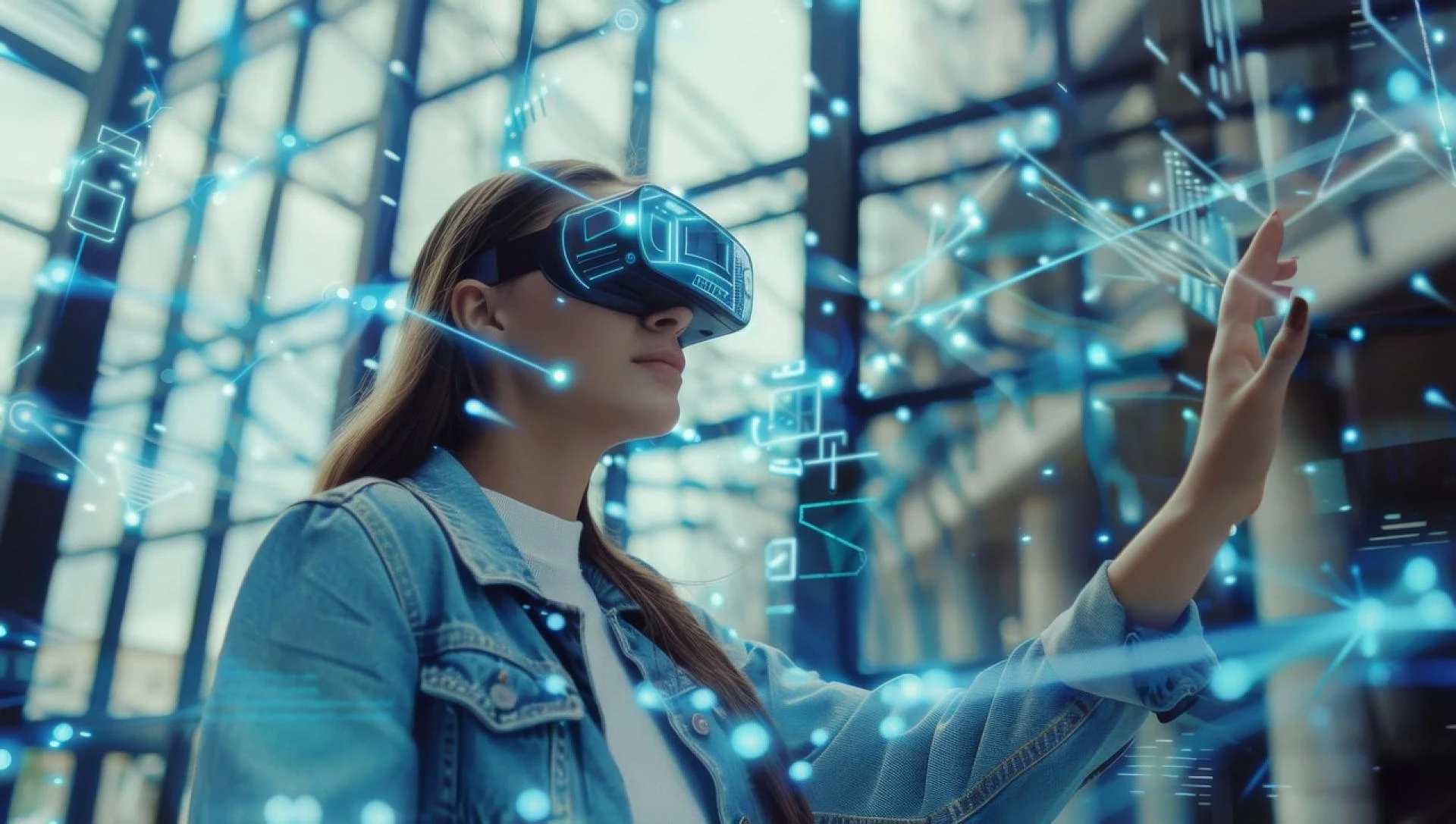
Organizations across industries face a constant challenge: how to train employees effectively without interrupting ongoing operations or exposing people and assets to risk. Traditional hands-on training often requires shutting down equipment, reallocating experienced staff, or placing trainees in potentially hazardous situations. These constraints can slow productivity and increase costs while still leaving skill gaps unaddressed. In response, many organizations are turning to immersive technologies, particularly VR Training solutions, to deliver realistic, safe, and scalable training experiences that do not interfere with daily operations.
The Operational Challenges of Traditional Training
Training within live operational environments can be both risky and inefficient. While real-world exposure is valuable, it often comes with limitations that restrict how much practice trainees can actually get.
Common issues with conventional training methods
- Downtime caused by taking machines or systems offline
- Safety risks when inexperienced workers operate equipment
- Limited access to rare or critical scenarios
- High dependency on senior staff for supervision
These challenges make it difficult to balance productivity with skill development, especially in high-risk or highly regulated industries.
What Makes VR Training Different?
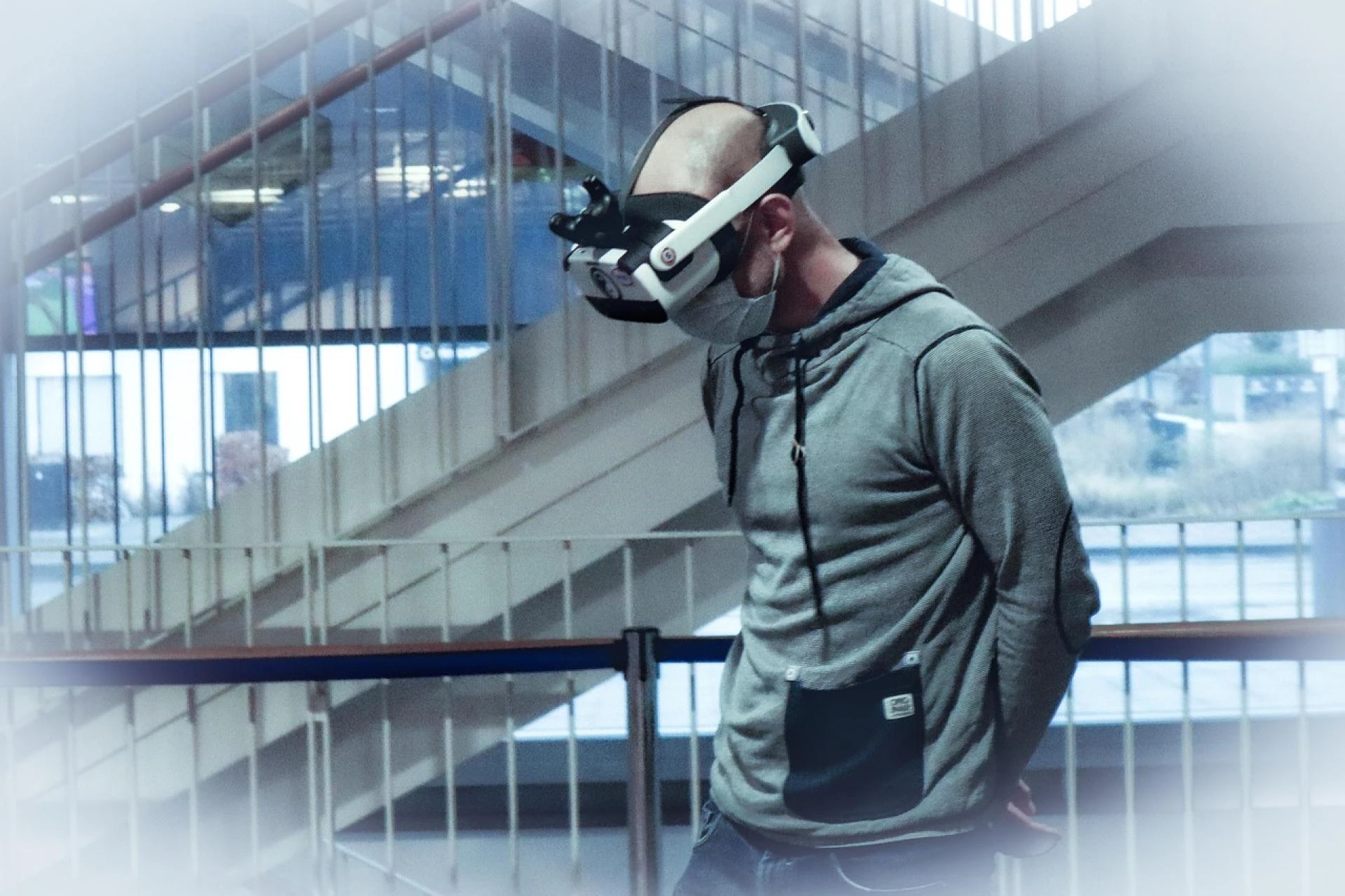
A VR training solution uses immersive virtual environments to replicate real-world workplaces, tools, and scenarios. Trainees can practice tasks and procedures using VR headsets and controllers, interacting with realistic simulations that mirror actual operational conditions.
Core components of VR-based training
- Digitally recreated work environments and equipment
- Interactive scenarios based on real operational workflows
- Guided instructions and assessments built into simulations
- Repeatable training modules available on demand
This approach allows learning to happen independently of physical operations.
Enabling Safe Practice Without Real-World Risk
One of the most significant advantages of VR training is the ability to practice safely, even when tasks are complex or dangerous.
Risk-free learning environments
Trainees can perform high-risk procedures—such as equipment maintenance, emergency response, or hazardous material handling—without exposure to physical danger. Mistakes become learning opportunities rather than costly incidents.
Controlled exposure to hazards
VR simulations can recreate hazardous conditions like equipment failures, fires, or system malfunctions in a controlled digital space. This prepares trainees for real emergencies without ever placing them in harm’s way.
Eliminating Operational Disruptions
Unlike traditional on-the-job training, VR does not require live systems to be paused or modified.
No need for equipment shutdowns
Organizations can train employees without taking machinery, production lines, or critical infrastructure offline. This ensures uninterrupted operations while still allowing skill development.
Training without crowding the workplace
VR reduces the need for large groups of trainees to gather around a single workstation or instructor. Training can be conducted individually or in small groups, freeing up valuable workspace.
Supporting Consistent and Repeatable Practice
Consistency is key to effective training, but it is often difficult to achieve in real-world settings.
Standardized training experiences
Every trainee experiences the same scenarios, procedures, and assessments in VR. This eliminates variations caused by different trainers, shifts, or locations.
Unlimited repetition
Trainees can repeat simulations as many times as needed to build confidence and proficiency. This is especially valuable for complex tasks that require precision and consistency.
Accelerating Skill Development and Confidence
Practicing in a virtual environment allows trainees to focus fully on learning without the pressure of disrupting operations or causing damage.
Learning at an individual pace
VR training accommodates different learning speeds. Trainees can pause, review, and repeat steps until they are comfortable, leading to better knowledge retention.
Building confidence before real-world application
By the time trainees enter live operational environments, they have already practiced procedures multiple times. This confidence reduces hesitation, errors, and dependency on supervision.
Enhancing Training for Rare or Critical Scenarios
Some of the most important scenarios are also the least frequent, making them difficult to train for in real life.
Simulating rare events
VR can recreate infrequent but high-impact situations such as system failures, emergency shutdowns, or safety incidents. This ensures teams are prepared even if such events rarely occur.
Scenario variation and adaptability
Simulations can be modified to include different challenges, conditions, or outcomes. This flexibility helps trainees develop adaptability rather than memorizing fixed responses.
Data-Driven Insights Without Operational Impact
VR training systems offer valuable insights into trainee performance without interfering with work processes.
Performance tracking and analytics
Organizations can monitor metrics such as task completion time, accuracy, decision-making, and adherence to procedures. This data helps identify skill gaps early.
Continuous improvement
Training programs can be refined based on performance data, ensuring that learning objectives align closely with operational needs.
Scalability Across Teams and Locations
As organizations grow, delivering consistent training across multiple sites becomes increasingly difficult.
Training anytime, anywhere
VR modules can be deployed across locations, allowing teams to train without traveling or coordinating schedules around operations.
Cost-effective scaling
Once developed, VR training content can be reused and updated easily, reducing long-term training costs while maintaining high quality.
The Strategic Value of VR in Modern Training
By removing the constraints of physical environments, VR training enables organizations to rethink how and when learning happens. Training no longer competes with operations for time and resources—it complements them. Employees become better prepared, safer, and more confident, while organizations maintain productivity and operational continuity.
Conclusion
Balancing effective training with uninterrupted operations is a critical challenge for modern organizations. Through immersive simulations, repeatable practice, and risk-free environments, VR Training solutions make it possible to build skills safely without shutting down systems or exposing people to danger. As industries continue to prioritize safety, efficiency, and performance, VR stands out as a practical and forward-looking approach to workforce training.
To explore more about our work and real-time updates, check out AutoVRse on Twitter, Instagram, and LinkedIn.