
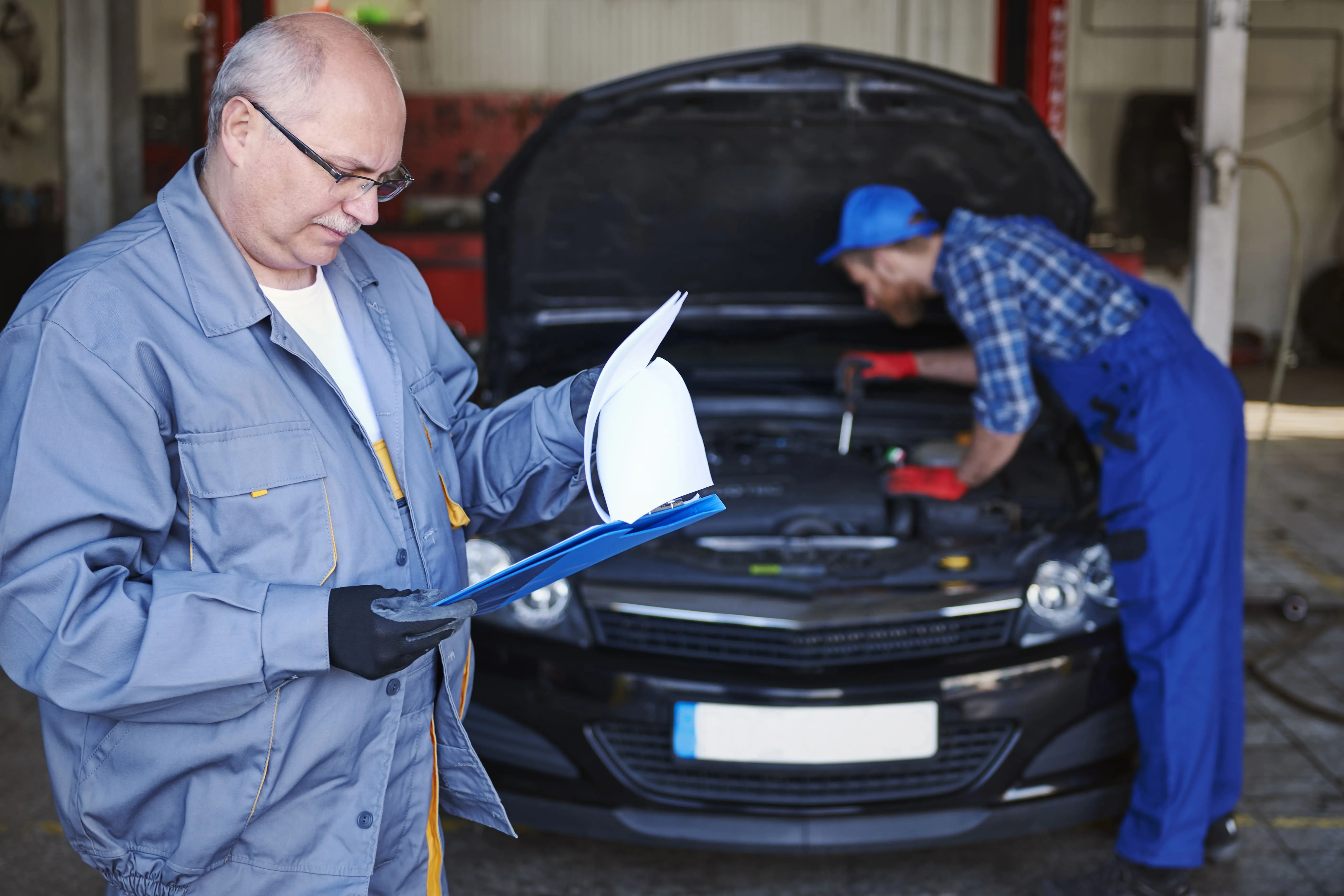
Owning a car comes with expenses that go beyond fuel, insurance and routine maintenance. Even a well-maintained vehicle can develop mechanical or electrical problems over time. While some repairs are relatively inexpensive, others can involve major components and result in bills that are difficult to manage without preparation.
For many drivers, the uncertainty surrounding vehicle repairs is one of the more challenging aspects of long-term ownership. A transmission problem, engine failure or electrical fault can happen without much warning. If the vehicle is no longer covered by its original manufacturer's warranty, the owner may have to pay the full repair bill.
Planning for these situations can make vehicle ownership more manageable. A vehicle protection plan is one option worth understanding, as it may help cover certain eligible repair expenses. However, its usefulness depends on the contract, the vehicle's condition and the type of mechanical problem involved.
1. Why Unexpected Car Repairs Can Affect Your Budget
Vehicle repairs do not always happen at convenient times. A car may operate normally for months before developing a problem that requires immediate attention.
The financial impact depends on several factors, including the vehicle's make, model, age, mileage and the complexity of the repair.
Some common examples of expensive repairs include:
- Engine repairs: Problems involving internal engine components can require extensive labour and replacement parts.
- Transmission repairs: Transmission faults may involve complex diagnostics, specialist labour or major component replacement.
- Electrical system repairs: Modern vehicles rely on electronic systems that can be costly to diagnose and repair.
- Cooling system problems: A faulty radiator, water pump or other cooling component can affect engine performance.
- Air conditioning repairs: Compressor or other major system failures may involve expensive parts and labour.
These expenses can place pressure on a household budget, particularly when several costs arise within a short period.
Routine maintenance helps reduce the likelihood of certain problems, but it cannot prevent every mechanical failure. Having a plan for unexpected repairs is therefore an important part of responsible vehicle ownership.
2. Understanding How a Vehicle Protection Plan Works
A vehicle protection plan is a contractual agreement that may help pay for specific mechanical or electrical repairs when a covered component fails.
The coverage varies between providers and agreements. Some plans focus on essential components, while others include a wider range of vehicle systems.
Depending on the contract, covered components may include:
- Engine parts
- Transmission components
- Drivetrain systems
- Selected electrical components
- Air conditioning systems
- Certain fuel system components
When a covered problem occurs, the vehicle owner generally needs to follow the provider's claims procedure. This may involve taking the car to an approved repair facility, obtaining a diagnosis and receiving authorisation before work begins.
If the claim is approved, the plan may pay some or all of the eligible repair costs, subject to deductibles, limits and exclusions.
It is important to remember that these agreements do not cover every vehicle problem. Routine servicing, normal wear and tear, accident damage and certain pre-existing conditions are commonly excluded.
3. Reducing the Financial Impact of Major Repairs
One of the main reasons drivers consider additional vehicle protection is the possibility of reducing the amount they must pay when a covered mechanical failure occurs.
Consider a situation where a vehicle develops a transmission problem after its factory warranty has expired. The repair requires specialist attention and replacement components, resulting in a substantial estimate.
Without additional coverage, the owner would generally be responsible for the eligible repair bill. If the problem falls within the terms of an active protection agreement, the provider may contribute towards the approved expense.
The amount paid depends on the contract. A deductible may apply, and the agreement may have limits on labour rates, parts costs or total claim payments.
This does not mean every repair will be covered or that the owner will have no out-of-pocket expenses. However, knowing that certain major repairs may qualify for assistance can make financial planning easier.
4. Making Repair Expenses More Predictable
Unexpected repair bills can be difficult to include in a monthly household budget. A vehicle protection plan may help make some future expenses more predictable by establishing the cost of coverage in advance.
For example, a driver may choose an agreement with a fixed payment schedule and a clearly defined deductible. This allows them to understand the regular cost of maintaining the agreement and the amount they may need to contribute towards an approved repair.
However, predictable payments should not be confused with guaranteed savings.
The total cost of a plan may be higher than the repairs an individual vehicle eventually needs. Some drivers may never make a claim, while others may experience problems that are excluded from their coverage.
It is therefore useful to compare the total contract price with the potential cost of paying for repairs independently. The decision should be based on the vehicle's condition, expected ownership period and personal financial circumstances.
5. Protecting Your Budget After the Manufacturer's Warranty Expires
A manufacturer's warranty provides protection for specified defects and components during a defined period or mileage limit. Once that coverage expires, the owner may become responsible for a wider range of repair expenses.
This change can be particularly important for people who intend to keep their vehicles for several additional years.
As a vehicle ages, certain components may become more susceptible to failure. Although regular maintenance can help keep systems in good working condition, it cannot eliminate the possibility of an unexpected breakdown.
Additional protection may provide an option for managing some of the financial risks associated with post-warranty ownership.
Before purchasing a plan, check when coverage begins, whether waiting periods apply and which repairs qualify. It is also worth confirming whether the agreement covers vehicles with your current mileage and service history.
6. Understanding Deductibles and Coverage Limits
A protection agreement may cover eligible repairs, but the vehicle owner could still be responsible for part of the expense.
Two important contract details are deductibles and coverage limits.
Deductibles
A deductible is the amount the vehicle owner must pay towards an approved repair. Depending on the agreement, it may apply per repair visit, claim or covered component.
For example, if an approved repair costs $1,500 and the deductible is $150, the owner may be responsible for $150, assuming the full repair amount is eligible under the contract.
Coverage limits
Some plans establish maximum payment amounts for individual repairs or the entire agreement. These limits determine how much the provider may contribute towards eligible work.
A plan with a low deductible but restrictive payment limits may not offer the same practical value as one with broader limits.
Review both details before making a decision. They help establish how much financial responsibility remains with you when a repair is needed.
7. Choosing a Repair Facility and Understanding Authorisation
The claims process can influence how convenient a protection plan is to use.
Some providers allow repairs at a broad network of facilities, while others may require customers to visit approved workshops. Understanding these arrangements before purchasing coverage can prevent confusion later.
Ask the provider the following questions:
- Can I choose my own mechanic?
- Are dealerships included in the approved repair network?
- Does the repair facility contact the administrator directly?
- Must I obtain authorisation before repairs begin?
- How are emergency breakdowns handled?
- Are diagnostic charges included in the agreement?
Prior authorisation is particularly important. If a repair is completed before the administrator approves the work, the claim may be affected.
It is also useful to understand how the provider handles disagreements over repair estimates, replacement parts and labour charges.
8. What a Vehicle Protection Plan Does Not Replace
Additional mechanical protection should not be treated as a replacement for other aspects of vehicle ownership.
Car insurance, for example, generally addresses different risks, such as accidents, theft and certain types of external damage. A mechanical protection agreement typically focuses on eligible failures of specified vehicle components.
Likewise, a protection plan does not remove the need for regular servicing.
Drivers should continue to:
- Follow the manufacturer's maintenance schedule.
- Check engine oil and other essential fluids.
- Monitor tyre condition and pressure.
- Address dashboard warning lights promptly.
- Keep servicing and repair records.
- Arrange inspections when unusual noises or performance changes occur.
Maintaining the vehicle properly can help identify developing problems and may also be necessary to meet the agreement's claim requirements.
9. Comparing Protection With Personal Repair Savings
A vehicle protection plan is not the only way to prepare for unexpected repairs. Some owners prefer to build a separate emergency fund specifically for vehicle-related expenses.
Both approaches have advantages and limitations.
A savings fund gives the owner direct access to money without needing claim approval. However, it may take time to build enough savings to cover a major repair.
A protection agreement may provide access to contractual coverage for certain eligible failures, even when the owner has not personally saved the full repair amount. In return, it involves a contract cost, exclusions, deductibles and claim conditions.
The better option depends on how much financial risk you are comfortable managing independently.
Some drivers may prefer to combine both approaches by maintaining an emergency fund while using additional coverage for selected major mechanical components.
10. Read the Agreement Before Making a Decision
Before choosing a plan, review the complete contract rather than relying only on a summary or sales description.
Pay attention to the following details:
- Covered mechanical and electrical components.
- Excluded repairs and pre-existing conditions.
- Contract duration and mileage restrictions.
- Deductible amounts.
- Maximum claim payments.
- Maintenance and servicing requirements.
- Waiting periods, if applicable.
- Cancellation and refund conditions.
- Claim submission and authorisation procedures.
If any condition is unclear, ask the provider to explain it in writing. This can help avoid misunderstandings when you eventually need to use the coverage.
Planning Ahead for Unexpected Vehicle Expenses
Unexpected repairs are an unavoidable possibility of owning a vehicle, particularly as it gets older. Although regular maintenance can reduce certain risks, it cannot guarantee that major components will never fail.
Preparing for these expenses involves understanding your vehicle's condition, maintaining an emergency fund and considering whether additional mechanical protection suits your circumstances.
A protection agreement may help manage the financial impact of specific covered repairs, but its value depends on the actual terms rather than the advertised benefits alone. Drivers researching options through providers such as Warranty67 should compare coverage, exclusions, deductibles and claim procedures before deciding whether a plan fits their long-term ownership needs.