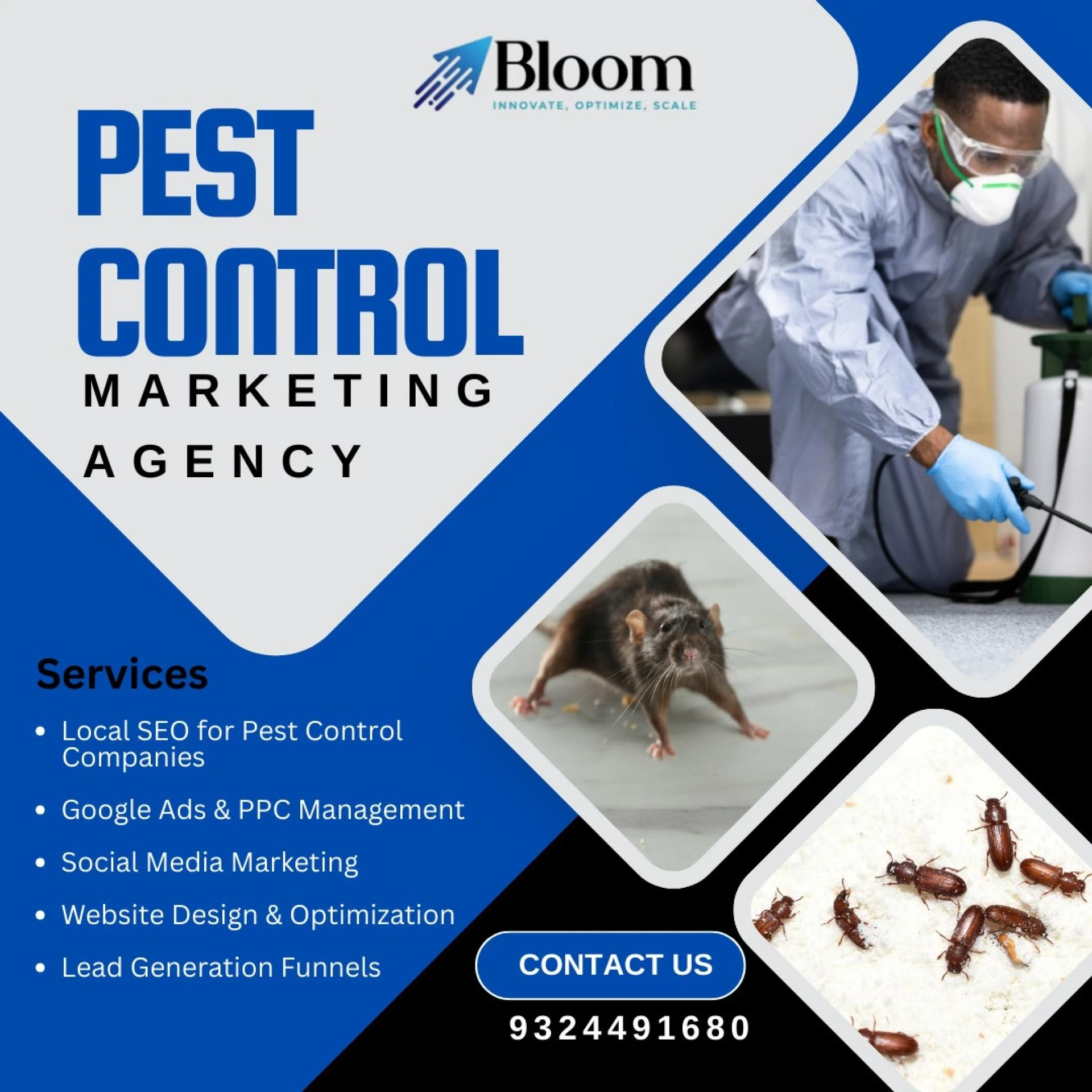
In the highly competitive world of pest control, companies face a constant challenge: standing out in a crowded market. Whether you're a local exterminator or a regional pest control franchise, gaining visibility, trust, and loyal customers requires more than good service—it requires strategic marketing. This is where a pest control marketing agency becomes your most valuable partner.
A specialized agency understands the unique needs, pain points, and seasonal fluctuations of the pest control industry. From SEO to paid advertising, lead generation to reputation management, an experienced marketing team can significantly enhance your brand's visibility and profitability.
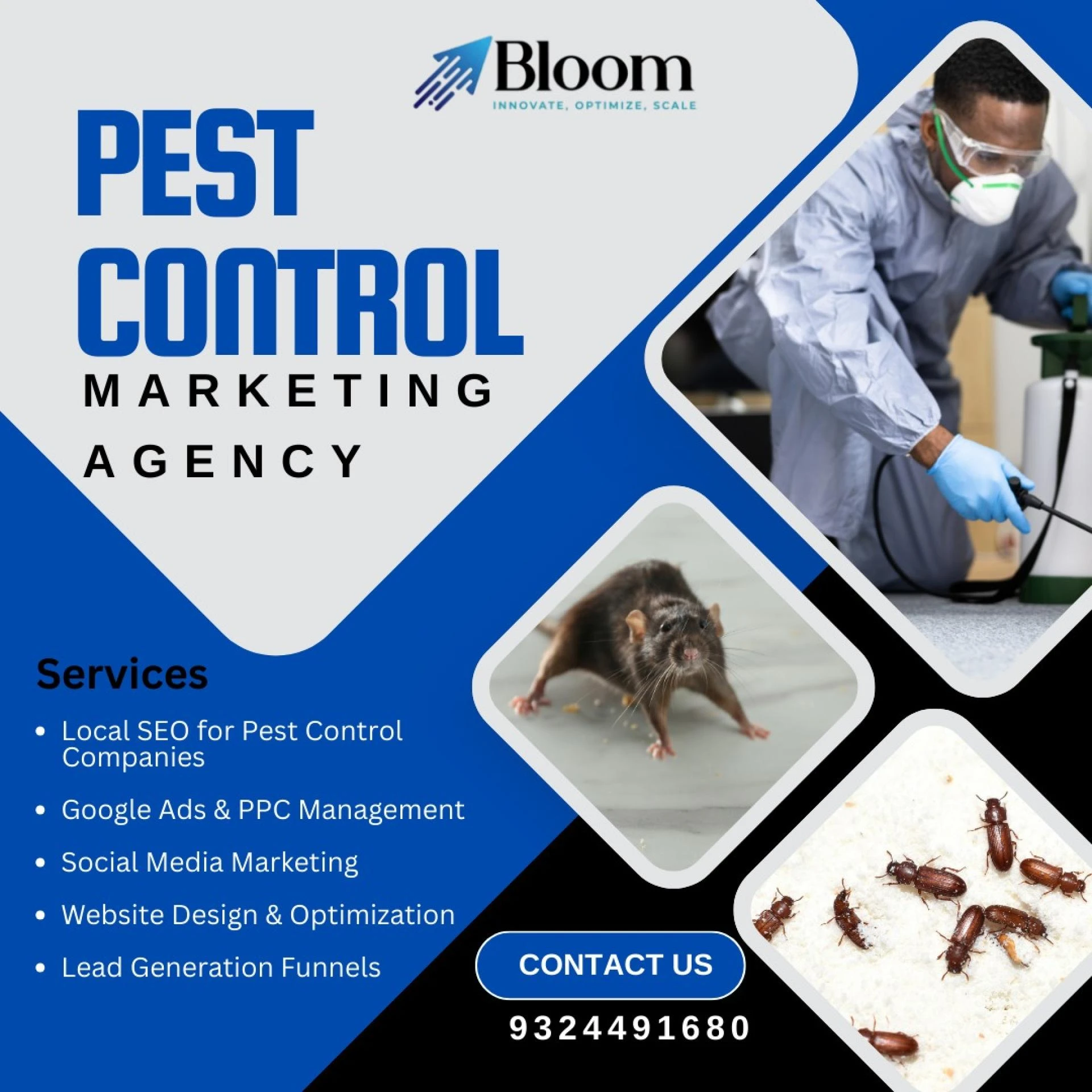
Why Pest Control Companies Need Specialized Marketing
Pest control services are a niche industry with specific demands:
- Seasonal trends (e.g., termites in spring, rodents in winter)
- Local SEO needs (most customers search for nearby service providers)
- Urgency-driven buying (people often need immediate help)
- Trust-building necessity (consumers let exterminators into their homes)
Generic marketing agencies may not understand these dynamics. A pest control marketing agency brings domain expertise to fine-tune strategies for better lead quality and higher ROI.
1. Local SEO: The Foundation of Online Visibility
Search engine optimization (SEO) is critical for pest control businesses. According to Google, over 46% of searches have local intent, and customers often type queries like “pest control near me” or “bed bug removal in [city].”
Key Local SEO Strategies:
- Google Business Profile Optimization: Accurate business info, photos, reviews, and service areas.
- Local Keywords: Target phrases like "ant control in Dallas" or "rodent removal Chicago."
- NAP Consistency: Ensure Name, Address, and Phone number are consistent across directories.
- Local Citations: Listings on Yelp, Angi, HomeAdvisor, and other relevant platforms.
- Location Pages: Create landing pages for each service area to dominate local searches.
By appearing in the Google Map Pack and organic search results, pest control companies can attract high-intent leads at zero advertising cost.
2. Pay-Per-Click (PPC) Advertising for Quick Results
While SEO builds long-term visibility, Google Ads and Facebook Ads offer immediate lead generation.
Benefits of PPC for Pest Control:
- Target by location: Show ads only in serviceable zip codes or cities.
- Target by urgency: Use keywords like “emergency pest removal” to capture intent.
- Flexible budgets: Start with modest daily spend and scale as needed.
- Clear ROI tracking: Use call tracking and conversion analytics to measure success.
Types of Campaigns:
- Search Ads: Appear at the top of Google for terms like “exterminator near me.”
- Display Ads: Target homeowners browsing websites related to DIY pest solutions.
- Remarketing: Re-engage visitors who didn’t book the first time.
A pest control marketing agency optimizes bidding strategies, ad copy, and landing pages to lower your cost-per-lead while maximizing conversions.
3. Lead Generation Strategies That Work
Marketing isn’t just about getting clicks—it’s about converting visitors into customers. Pest control agencies implement lead funnels tailored to the customer journey.
Proven Lead Gen Tactics:
- Service-specific landing pages (e.g., "Termite Treatment" vs. "Mosquito Control")
- Clear CTAs (“Get a Free Inspection,” “Call Now,” “Book Online”)
- Lead magnets: Offer downloadable checklists like “10 Signs of Termite Damage”
- Online booking integrations: Let customers schedule directly via your site
- Live chat & chatbots: Provide immediate responses to capture leads 24/7
The goal is to create low-friction conversion paths that turn cold website traffic into booked appointments.
4. Social Media Marketing: Building Trust and Community
Social platforms like Facebook, Instagram, and even TikTok can help pest control companies connect with homeowners on a personal level.
What to Post:
- Before-and-after shots of pest infestations
- Videos explaining pest behavior and prevention tips
- Behind-the-scenes content of technicians in action
- Seasonal alerts (e.g., “Ant season starts in April—are you prepared?”)
- Client testimonials or user-generated content
Advertising on Social:
- Facebook Lead Ads: Collect user contact info without leaving the platform.
- Instagram Story Ads: Promote limited-time discounts or offers.
- Geo-targeted campaigns: Focus on neighborhoods with recurring issues.
An agency helps you create a consistent content calendar, professional visuals, and data-backed ad targeting to build awareness and leads.
5. Website Optimization and Conversion Design
Your website is your digital storefront. If it’s outdated, slow, or hard to navigate, you’re losing business.
Must-Have Features:
- Mobile responsiveness (over 60% of traffic comes from mobile devices)
- Fast load times (every second of delay reduces conversions)
- Clear navigation: Users should find services, pricing, and contact info fast.
- Online forms: Short, simple, and easy to complete on mobile
- Customer reviews: Build trust by showcasing verified testimonials
A pest control marketing agency typically includes web designers and CRO (conversion rate optimization) specialists who ensure your website doesn’t just look good—it converts.
6. Reputation Management and Online Reviews
Today, online reviews are as powerful as word-of-mouth referrals. Pest control is a trust-based industry, and reputation can make or break a business.
Review Management Tactics:
- Automated follow-ups asking customers to leave reviews on Google, Yelp, or Facebook
- Respond to reviews—especially negative ones—to show accountability
- Highlight positive reviews on your website and social media
- Use review widgets to showcase star ratings prominently
A marketing agency can automate the review process, flag negative feedback early, and provide guidance on how to respond professionally.
7. Email Marketing and Retention Campaigns
Acquiring a new customer can cost 5–7 times more than keeping an existing one. A well-run email marketing strategy boosts lifetime value and encourages referrals.
Campaign Ideas:
- Seasonal service reminders
- Exclusive discounts for past customers
- Pest prevention tips
- "We miss you" offers
- Referral programs offering credits for each friend referred
Segmented and personalized email campaigns have higher open rates and conversions. Agencies use tools like Mailchimp or ActiveCampaign to manage these flows.
8. Branding and Competitive Positioning
Pest control may not seem like a brand-heavy industry, but your branding communicates trust, professionalism, and value.
Branding Elements:
- Logo and brand colors: Clean, consistent, and modern
- Tagline: Memorable and benefit-driven (“Fast. Friendly. Fearless.”)
- Uniform technician appearance: Branded shirts, vans, and equipment
- Customer experience: From call center tone to follow-up emails
An agency can help position your company not just as another exterminator—but as the go-to pest expert in your area.
9. Data Analytics and Reporting
All good marketing is measurable. Pest control agencies use analytics to track performance across platforms and optimize campaigns accordingly.
Metrics That Matter:
- Cost per lead
- Conversion rate
- Click-through rate
- Return on ad spend (ROAS)
- Call tracking and form submissions
- Website traffic growth
With tools like Google Analytics, call tracking software, and custom dashboards, agencies provide transparent performance reporting to help you make informed decisions.
Final Thoughts
Pest control is a service people rarely think about—until they need it urgently. That makes digital marketing not just helpful but essential for growth. A pest control marketing agency brings the tools, tactics, and industry-specific knowledge to help you generate leads, build trust, and scale sustainably.
Whether you’re a solo operator or a multi-location franchise, the right marketing partner can make the difference between getting by and dominating your local market.