
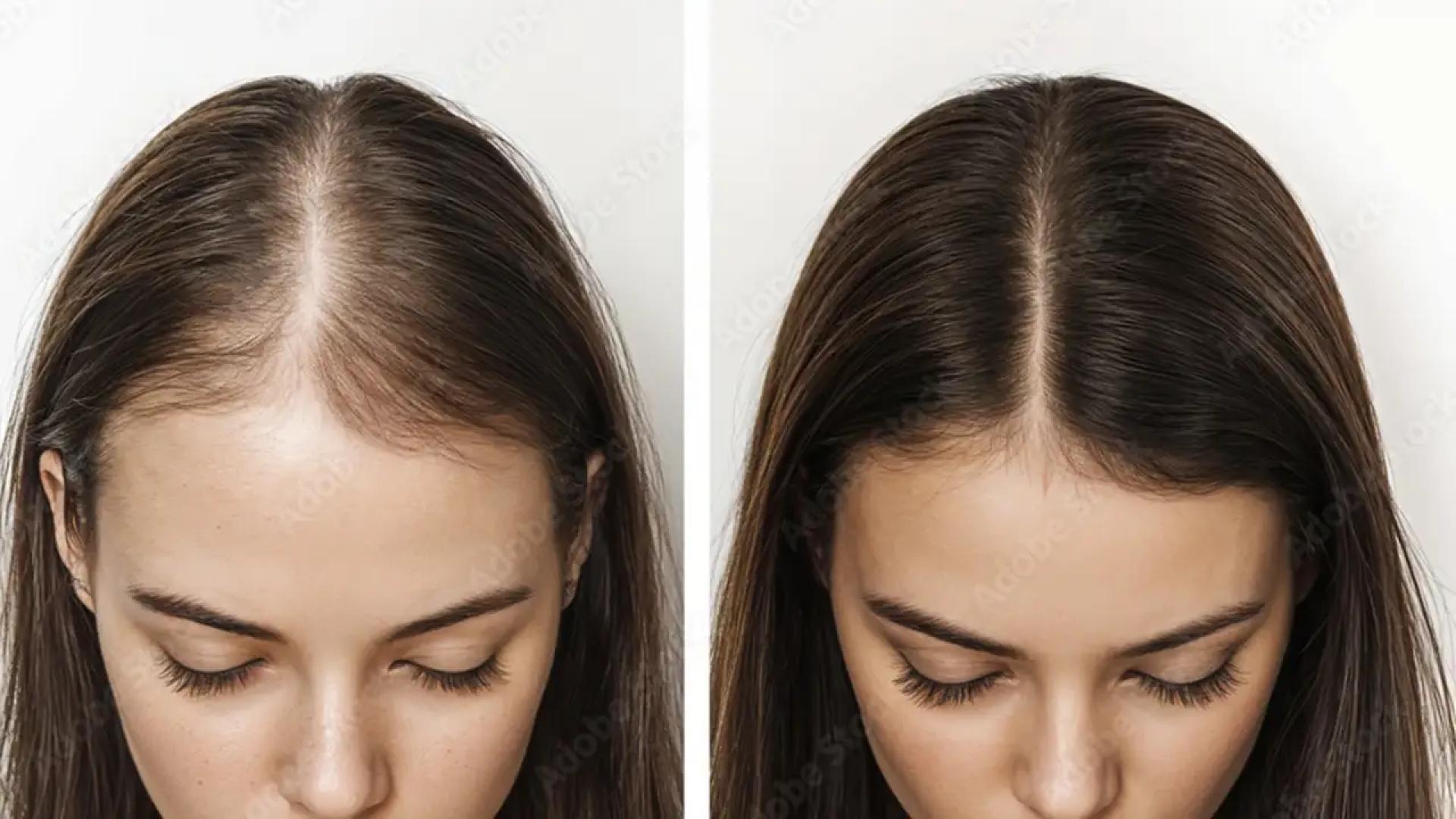
Hair loss has become a concerning problem worldwide. Losing or thinning of hair may occur due to multiple reasons, including internal and external factors. Hair loss can be mild to severe. It can also be temporary or permanent. In either case, it has a considerable impact on one’s appearance and self-esteem. Anyone experiencing hair loss is advised to visit a dermatologist for treatment.
A dermatologist helps find out the root cause of hair loss, its type, and severity, which later helps them to devise a plan as per individual requirements.
How a Hair Clinic Diagnoses Hair Thinning the Right Way?
If you are suffering from hair loss or hair thinning, you must visit a dermatologist for the diagnosis and evaluation. It typically involves a comprehensive assessment where the professional determines the underlying cause of the problem and recommends appropriate treatment options. Here’s how a dermatologist helps diagnose hair loss or thinning the right way:
Symptoms and Patterns
When you visit a hair clinic, the dermatologist or hair specialist will ask about the specific symptoms that you may be experiencing. It includes the pattern of hair loss, the rate at which hair is falling, and any associated scalp symptoms, such as itching, redness, or more.
Medical History
You will be asked to discuss your medical history. It includes sharing information about your overall health. If you have a family history of hair loss or hair thinning, share it with the dermatologist. In addition, if you are on medication or dealing with any stressful situation, feel free to share it with them.
Local Examination
Hair thinning may be diagnosed through a local examination of the scalp and hair follicles. It helps the professional to assess the pattern and severity of hair loss. The doctor will look for the signs like scarring, inflammation, and other visible abnormalities in the hair and scalp.
Scalp Examination
The dermatologist will carry out a closer examination of the scalp using essential tools. The examination allows for a magnified visualization of the hair follicles and offers additional insights into the condition.
Pull Test
One of the most common methods among doctors to check for hair thinning and confirm its diagnosis is the pull test. The test involves gently pulling a cluster of hair to see how many strands are torn apart or dislodged. It gives them an idea if your thinning of hair is temporary or long-term.
Blood Tests
Hair thinning or hair loss may be due to nutritional deficiencies. Depending on the suspected cause, the doctor will ask you to opt for a blood test. The examination helps assess hormone levels, such as thyroid function, iron levels, vitamin D levels, and other relevant markers.
Scalp Biopsy
In some cases, the doctor may take a small sample of the scalp tissue for analysis under a microscope. The biopsy helps them determine the cause of hair loss, especially if inflammation or scarring has been suspected.
Trichogram
Trichogram is used to evaluate or identify hair issues. It includes the examination of the hair root. Using a tool, the doctor identifies exhausted, dystrophic, or dysplastic hair. This test is also carried out to assess the quality of the hair shaft.
Hair Card Test
Nowadays, dermatologists use a hair card test to assess the condition of the hair shafts and estimate the number of new hairs sprouting from the roots. They divide the hair into a portion and press a small rectangular card covered in felt against the cap.
Photographic Follow-up
The doctor will take global photographs of the affected areas to form the baseline reference for tracking progress. It will help them to evaluate the outcomes of the treatment.
What Treatments do Hair Clinics Recommend for Hair Loss or Hair Thinning?
The treatment suggested by the doctor depends on various factors, including the stage of your hair loss, the cause of your hair thinning, your overall health, and your budget.
Hair Transplant
Hair transplant is one of the most effective and long-lasting solutions for hair loss. Depending on the severity of your case and other factors, the professional may perform either of the two transplant methods:
- FUE or follicular unit extraction is a minimally invasive method where individual hair follicles are transplanted into thinning areas.
- FUT or follicular unit transplantation involves removing a strip of hair from the scalp and transplanting it into bald spots.
PRP Therapy
Platelet-rich plasma therapy, or PRP therapy, is an effective hair treatment that uses your own blood to promote hair growth. The dermatologist processes the blood to extract platelets that are further injected into the scalp to stimulate dormant hair follicles.
Laser Hair Therapy
This procedure utilizes low-level laser therapy or laser light on the scalp to stimulate hair growth and improve scalp health.
Scalp Micropigmentation
This technique is recommended for individuals with extensive hair loss. It involves applying tiny pigment deposits on the scalp that simulate the appearance of hair follicles.
Mesotherapy involves injecting minerals, vitamins, and amino acids into the scalp. The injections nourish the scalp and stimulate hair growth. It works best for hair thinning.
Takeaway
If you notice symptoms of hair thinning or hair loss, visit a nearby hair clinic for a proper diagnosis. Depending upon the diagnosis and the root cause, the doctor will recommend a suitable treatment plan